Breakfast planners stocking up
If you don’t want to bake or shop on weekdays, choose sliced bread based on the pack size and guidance on how soon to use it. You could freeze any slices you won’t need straight away.


For a fuss-free weekday breakfast, first decide whether you’d prefer to buy sliced bread to keep in stock, eat fresh bread soon after buying it, or make time to bake your own. Then check the wholemeal description, ingredients and allergens for the specific loaf: according to the German Food Book Commission’s guidelines, wholemeal bread must contain at least 90% wholegrain cereals. A dark colour, visible grains or an artisanal look don’t replace this information.
If you don’t want to bake or shop on weekdays, choose sliced bread based on the pack size and guidance on how soon to use it. You could freeze any slices you won’t need straight away.
If you need to check cereal types, seeds or allergens, read the information for the individual loaf—even if it’s described as wholemeal or sourdough. For unpackaged bread, you can ask for the details before buying.
If you can allow time for preparation, proving and baking, you could choose a bread mix or sourdough to bake at home. Remember to check the mix’s ingredients and whether you’ll need to add anything else.
A good fit if: You want to put breakfast together quickly, without any morning preparation.
Things to consider: Ingredients and guidance on how soon to use the bread vary from product to product.
A good fit if: You plan to eat the bread soon and want to choose from what’s available in store.
Things to consider: For unpackaged bread, you may need to ask for the ingredient and allergen information you need.
A good fit if: You want to choose when to bake your bread.
Things to consider: You’ll need to allow time for preparation and baking before breakfast; a bread mix isn’t automatically yeast-free or wheat-free.
| What to consider | What to check when buying | Who it matters most to |
|---|---|---|
| Wholemeal status | The product description and the wholegrain cereals listed in the ingredients. | If I want wholemeal bread, a dark colour and visible grains aren’t enough to go by. Around 31% of consumers prioritise checking this when buying. |
| Convenience and stocking up | Whether the bread is sliced, the pack size and guidance on how soon to use it after opening. | I want bread ready in the morning without baking, in a pack size that suits how much I eat over several days. This is the priority for around 25% of consumers. |
| Ingredients and allergens | The cereal types, other ingredients, and allergen or ‘may contain’ information for the specific product. | I need to be able to tell before buying whether the bread contains ingredients that matter to me. Around 25% of consumers put this first. |
| Freshness and baking effort | For bread mixes, the ingredients you’ll need to add, as well as the preparation, proving and baking times. | Freshly baking my own bread matters more to me than having bread ready to eat straight away, even if I need to plan for it. Around 19% of consumers make this their top priority. |
Appearance doesn’t tell you whether bread meets the requirements for a wholemeal description. The German Food Book Commission’s guidelines specify that at least 90% of the cereals used must be wholegrain.
Look for the description ‘wholemeal bread’, then check which cereals have been used.
Sourdough bread can contain other ingredients and allergens. For example, the PEMA Rye Sourdough Bread listed by REWE includes lupin flour and may contain traces of wheat.
For packaged bread, check the specific ingredient and allergen information. For unpackaged bread, ask before buying.
Even bread bought to keep in stock needs to suit how much you actually eat. How long it stays fresh depends on factors including the type of bread and how it’s stored.
Choose a pack size that suits the number of breakfasts you’re planning, and freeze any slices you’ll need later.
The description alone doesn’t tell you which ingredients or methods were used for a particular loaf.
If you need to, ask how it’s made. Base your choice on the wholemeal description and the information about ingredients, allergens and storage.
A place to look for wholemeal bread mixes and sourdough for home baking, rather than ready-sliced breakfast bread.
An example of packaged rye sourdough bread whose specific ingredients you can check before buying.
A retailer whose product information can help you shortlist packaged bread.
A useful source of information about wholemeal bread and possible rye and wheat blends.
A supplier of in-store bakery bread, with options to choose from in store.
This bread mix is an option if you’d like to bake your own spelt wholemeal bread for weekday breakfasts and can plan the preparation in advance.
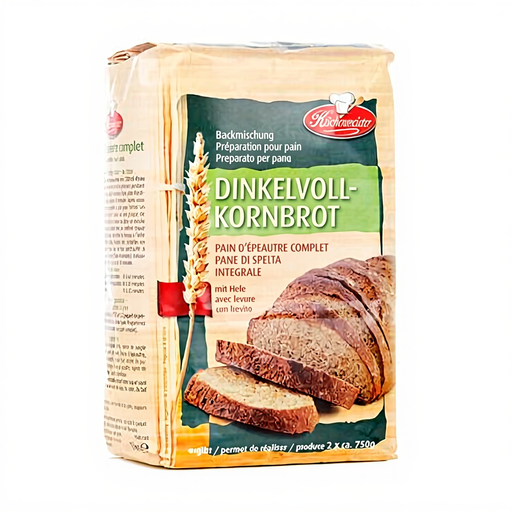 No image available
For home bakers who can prepare bread before a weekday breakfast; this mix isn’t ready to eat straight away.
1 kg spelt wholemeal bread mix. Before baking, check the preparation instructions and the ingredient and allergen information on the pack.
Look for the description ‘wholemeal bread’ and check which cereals have been used. Under the German Food Book Commission’s guidelines, bread described this way must contain at least 90% wholegrain cereals; grains on the crust don’t prove it.
No. Sourdough alone doesn’t tell you how a particular loaf was made overall. If the method matters to you, ask about the specific steps and ingredients rather than relying on the description.
Start by choosing a pack size that suits how much you eat. The German consumer advice centre recommends storing bread appropriately and suggests freezing it if you want to keep it for longer; you can freeze individual slices in portions.
Before buying, ask about allergens in the specific loaf and any other ingredients that matter to you. Don’t assume what it contains based on terms such as ‘rye’, ‘wholemeal’ or ‘sourdough’ alone.