What to look for when buying
First, decide whether you’ll be able to bake while you’re away and when you plan to eat the bread. Then check the pack size, storage instructions and ingredients for the specific product.
Pre-packaged, ready-to-eat bread
A good choice if: There’s no oven available on a multi-day trip and the unopened pack’s best-before date covers when you plan to eat it.
Bear in mind: Once opened, or if stored incorrectly, the shelf life of an unopened pack no longer applies.
Fresh bread from the bakery counter
A good choice if: You’ll eat the bread soon on a short trip and value a crisp crust and fresh flavour more than having provisions to last.
Bear in mind: Calling a loaf sourdough or wholemeal doesn’t mean it will keep for several days on a trip.
Wholemeal bread mix
A good choice if: Your accommodation has a usable oven or bread maker and you have time set aside for baking.
Bear in mind: A mix isn’t ready-to-eat food. Check the product information to see whether it contains sourdough.
| What to consider |
What to check when buying |
Who it matters to |
| Shelf life when unopened |
Check the best-before date and storage instructions on the specific pack against the day you plan to eat it. |
On a multi-day trip, I want to take bread that’ll stay unopened until I eat it and avoid it going off. For around 36% of consumers, shelf life is the top priority when choosing. |
| Ready-to-eat and pack size |
Check whether the bread is ready to eat or a baking mix, and choose a pack size that suits the meals you have planned. |
Without baking facilities, I want bread I can eat straight away and not have much left once the pack is open. That’s why around 29% of consumers prioritise ready-to-eat bread in a suitable quantity. |
| Freshness and crust |
For bread from the bakery counter, check the actual ingredients and buy only an amount you can eat soon. |
On a short camping trip, I’ll eat the bread soon and want a fresh crust. For around 21% of consumers, freshness comes first. |
| Ingredients and allergens |
Read the ingredients list and allergen information for the actual product; sourdough and wholemeal don’t mean gluten-free. |
If I need to avoid certain ingredients, I want to check the label carefully before buying. For around 14% of consumers, checking ingredients and allergens is the top priority. |
Planning your camping trip with pumpernickel
These two 500 g pumpernickel options could work for a trip where you won’t have your own baking equipment. If you’re specifically looking for sourdough bread, check the ingredients as well as the best-before date on the specific pack.
 No image available
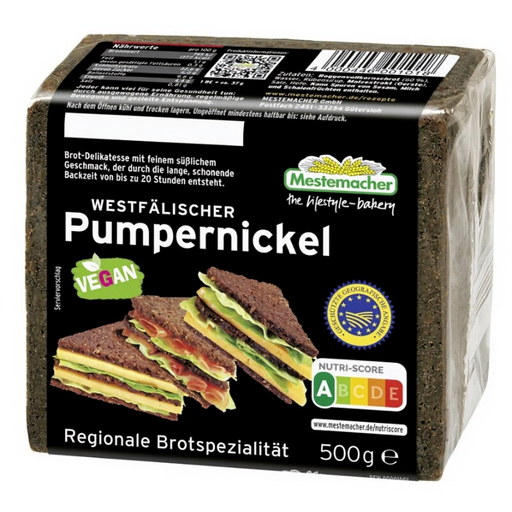
Mestemacher Traditional Westphalian Pumpernickel, 500 g
This pumpernickel could be an option for meals where you won’t have an oven. Before buying, check the best-before date and the ingredients and allergen information on the pack. It should also tell you whether the bread contains sourdough.
View at Joybuy
 No image available
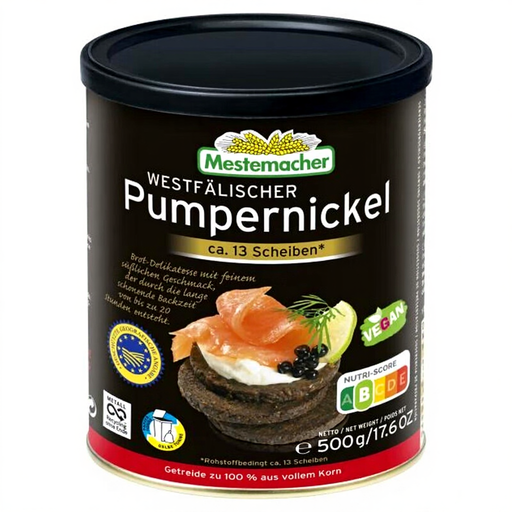
Mestemacher Westphalian Pumpernickel, 500 g
This pumpernickel is another option to consider for meals when you won’t have access to baking facilities. Check that the best-before date suits your trip and read the pack information about sourdough and allergens. Pay particular attention to the sesame information.
View at Joybuy
Frequently asked questions
Is wholemeal sourdough bread automatically gluten-free?
No. Wholemeal sourdough bread can contain gluten-containing cereals such as rye, wheat or spelt. REWE Bio rye wholemeal bread and the Seitenbacher mix mentioned above are specific examples. If needed, check the ingredients and allergen information for the product, and don’t rely on the word ‘sourdough’ alone.
Is the best-before date enough to plan a camping trip?
The best-before date is a guide for an unopened pack stored correctly, not for bread that’s already been opened. Germany’s Federal Centre for Nutrition highlights these conditions, so also plan when you’ll open the pack and how you’ll store any leftovers.
How should I store bread when camping?
Store bread in a dry place away from heat, following the instructions on the pack. For cut bread, EDEKA’s storage advice suggests using paper or a bread bin that doesn’t seal tightly, for example. Don’t eat bread with visible mould.
Can I take a wholemeal bread mix instead of bread?
Yes, if you can actually bake where you’re staying and have time to do so. According to the manufacturer, the Seitenbacher mix described above is intended for baking at home. If you don’t have an oven or bread maker, take ready-to-eat bread for your camping meals.


