Visitors looking for a spontaneous snack
You want bread to eat or take with you without having to bake it first. Check whether the ready-made variety you’ve chosen contains wholemeal flour and sourdough, and what ingredients are listed.


For a snack during a visit to the Christmas market, ready-made bread is the right choice. Check the details for the specific variety to make sure it really is wholemeal and sourdough. Bread mixes and sourdough ingredients, on the other hand, are suited to a meal you’ve planned, provided you allow time for preparation, other ingredients and somewhere to bake. Whichever option you choose, check the information for the specific variety to find out about its ingredients and allergens.
You want bread to eat or take with you without having to bake it first. Check whether the ready-made variety you’ve chosen contains wholemeal flour and sourdough, and what ingredients are listed.
You’re planning bread for a festive meal and can set aside time to prepare it. If you’re using a bread mix or sourdough ingredient, check what else you’ll need and which steps are involved.
You need information about the grains and other allergenic ingredients in the specific variety. If you’re selling bread loose at a stall, you’ll also need to give customers information about the allergens identified.
First decide whether you want bread to eat straight away or to bake yourself. Then compare ready-made varieties, or choose between a bread mix and a separate sourdough ingredient.
Ideal if: You’re looking for bread to eat straight away or take with you; a selection of portion-sized breads may include several varieties.
Keep in mind: Ingredients and allergen information vary by variety. EDEKA also notes that its organic bread selection may not be available in every store.
Ideal if: You want to prepare a loaf for a later occasion and choose when to bake it.
Keep in mind: A bread mix and sourdough extract aren’t ready-made bread. With the extract, you’ll also need flour and the steps involved in making a complete bread dough.
| Criterion | What to check when buying | Who it matters to |
|---|---|---|
| Ready-to-eat bread | Is it ready-made bread, a bread mix or a sourdough ingredient? | If I want to take a snack with me on the way to the Christmas market, I need a product that’s already been baked. For around 36% of consumers, ready-to-eat bread would be the most important criterion. |
| Sourdough and freshness | Does the information for this specific variety mention sourdough, and what types of bread are available on site? | For a savoury snack, I’d especially like to choose a freshly available sourdough variety. Around 29% of consumers would put freshness and the character of sourdough first. |
| Home baking and quantity | What ingredients do you need to add, and what quantities of flour or preparation instructions are given on the pack? | If I’m having guests over, I want to be able to plan the baking and the quantity I’ll need in advance. This would be the main priority for around 21% of consumers. |
| Ingredients and allergens | Check the information for each variety, including grains, allergenic ingredients and any traces that may be present. | I need to be able to see which ingredients are in the specific bread before choosing it. For around 14% of consumers, this would be their top priority. |
A mix or sourdough extract needs to be prepared, so it won’t help if you’re looking for a spontaneous snack. Seitenbacher explicitly describes its wholemeal bread mix as a product for home baking.
Check the product type and preparation instructions before you buy. If you want bread to eat straight away, it needs to have already been baked.
These descriptions don’t replace checking the details for the specific variety: breads and baking products can contain different grains and other ingredients.
For packaged products, read the ingredients and allergen information for the variety you’ve chosen. For bread sold loose, check the allergen information at the point of sale.
Lidl describes a range of bakery breads, including crusty bread made with natural sourdough, as well as wholemeal and multigrain breads. That doesn’t mean every store stocks a particular wholemeal sourdough variety. EDEKA also notes that its organic bread selection may not be available everywhere.
If you’re looking for a particular variety, check what your local store has to offer or ask at the stall.
According to Lidl, low fridge temperatures can make bread dry out and go stale more quickly.
For short-term storage, Lidl recommends keeping bread at room temperature in a suitable container. Also follow the instructions on the specific packaging.
Seitenbacher offers a wholemeal bread mix for people who want to bake their own.
REWE lists both a Seitenbacher bread mix and a wholemeal rye sourdough product for baking.
EDEKA’s organic bread selection is an example of ready-to-eat, portion-sized breads made with natural sourdough.
Lidl describes crusty bread made with natural sourdough, as well as wholemeal and multigrain breads, in its bakery range.
The products below include bread mixes and sourdough ingredients for planned home baking, as well as a ready-made wholemeal bread for a snack. If sourdough is important to your choice, check the ingredients of the ready-made bread.
 No image available
For planning a loaf to bake at home, rather than a snack to eat straight away. The pack contains 1 kg of bread mix; check the preparation instructions and any other ingredients you’ll need in advance.
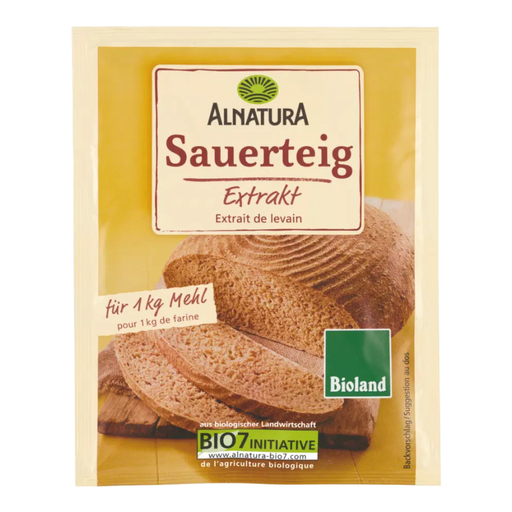 No image available
For planned baking with rye sourdough, not as ready-made bread. The dried extract comes in a 15 g pack; check the dosage and which other baking ingredients you’ll need.
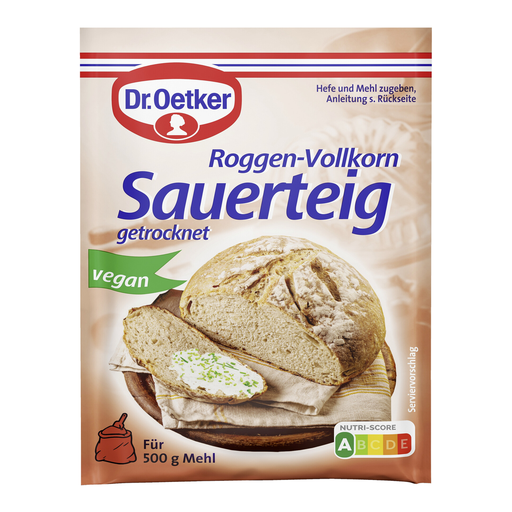 No image available
For homemade bread if you want to use a dried wholemeal rye sourdough starter. The pack contains 15 g; you’ll also need flour and time to bake it.
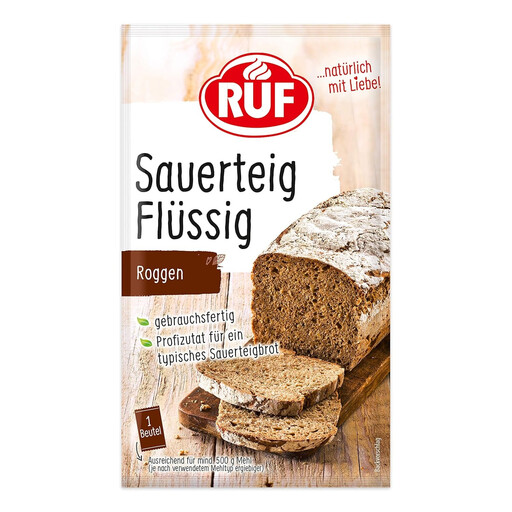 No image available
For homemade rye sourdough bread, rather than eating straight from the pack. The liquid extract contains 70 g; if wholemeal content is important to you, check its specific ingredients list.
 No image available
For a snack with no baking required. This ready-made wholemeal walnut bread contains 250 g; check the ingredients list if you want the bread to contain sourdough, and read the allergen information on the specific pack.
First check the product type, then look at the information about wholemeal flour and sourdough for that specific variety. For example, EDEKA describes its organic bread selection as containing ready-made breads made with natural sourdough; a bread mix or sourdough extract, on the other hand, needs to be prepared first.
No, you’ll need the information for the specific product. For example, Seitenbacher lists rye, wheat and spelt in one of its bread mixes; ingredients and allergen information may differ for another variety. Check the packaging or, for bread sold loose, the information provided.
If you’re selling unpackaged bread at a stall in Germany, you need to consider information about the allergenic ingredients and processing aids covered by § 4 of the Food Information Implementation Regulation. The legislation published by the Federal Ministry of Justice and the Federal Office of Justice sets out information requirements for non-prepacked foods; check what you need to provide at your stall before selling.
For short-term storage, Lidl recommends keeping bread at room temperature; according to the retailer, bread can dry out and go stale more quickly in the fridge. Also follow the storage instructions for the specific bread, and keep unpackaged bread in a clean container.