
Lieferung heute & morgen

Qualitätsgarantie

Willkommens-Angebote freischalten: KOSTENLOSE Lieferung | Bis zu 80 % RABATT | Kostenlose 30-Tage-JoyPlus-Testphase
App herunterladen
Finding sweet snacks that fit a health-conscious lifestyle can be a challenge. Many products contain hidden sugars or unwanted fats. An interesting alternative from Asia is konjac jelly. This snack is growing in popularity among people looking for a low-calorie and often sugar-free option.
As your Joybuy product expert, my goal is to provide you with clear and objective information. This article serves as a practical guide to familiarise you with the properties of konjac jelly and help you choose the right product for your needs.
To find the right konjac jelly, it helps to know a few basic product features. The following points can help you make your decision.
The base of konjac jelly is konjac flour, which is extracted from the root of the konjac plant (devil's tongue). The key ingredient is the fibre glucomannan, which is responsible for the firm, gel-like consistency.
Pay close attention to the type of sweetener used:
The term "low-calorie" can be interpreted in different ways. A look at the nutrition label provides clarity. Compare the calorie content per 100 grams or per serving. Many konjac jellies contain virtually no fat and few to no carbohydrates, making them suitable for various dietary plans.
Konjac jelly is available in different formats:
The variety of flavours is vast, ranging from fruity options like mango and strawberry to more exotic varieties. The choice here depends entirely on your personal preference.
Here is a selection of konjac jelly products that offer different features and benefits.
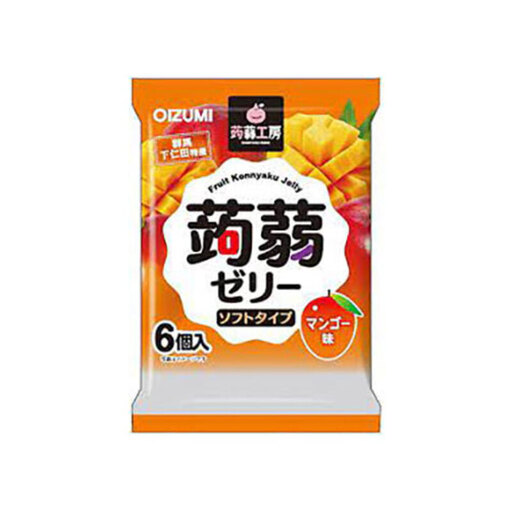
Why It Stands Out: This product offers an authentic Japanese snack experience. The texture is pleasantly firm and chewy, which sets it apart from many drinkable gels. The flavour is defined by the use of mango and natural flavourings. It is a plant-based treat that reflects the character of traditional Asian sweets.
Pros:
Who It's For: Individuals who appreciate the classic, firm bite of jelly and are looking for a fruity, straightforward snack. Ideal for lovers of Japanese cuisine.
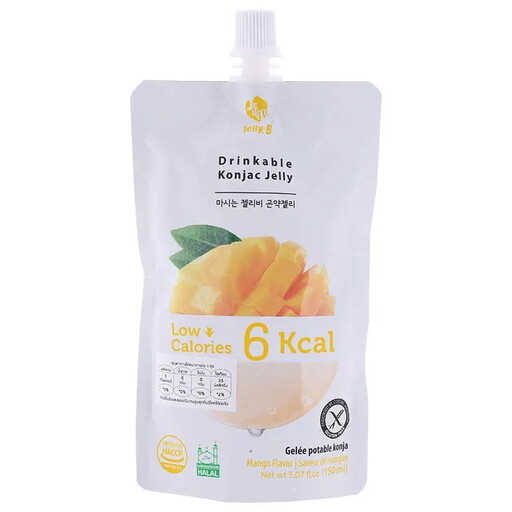
Why It Stands Out: Jelly B from South Korea is designed as a drinkable konjac jelly and comes in a convenient squeeze pouch. Its extremely low calorie count of just 6 kcal per 150ml serving is particularly noteworthy. It is completely sugar-free and is sweetened with erythritol instead.
Pros:
Who It's For: Users looking for an extremely low-calorie and sugar-free diet snack for in-between meals or after a workout. The drinkable format makes it especially convenient.
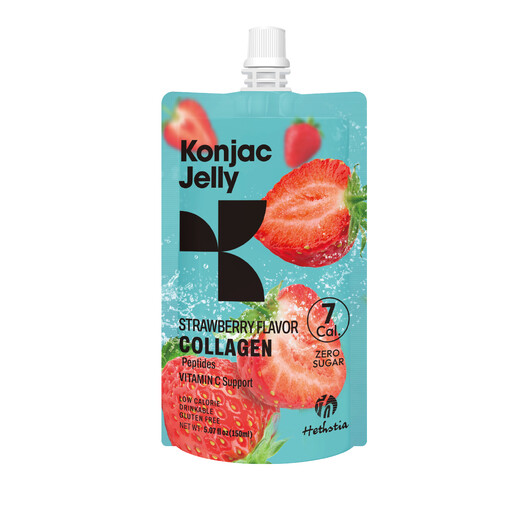
Why It Stands Out: This konjac jelly from Hethstia combines the properties of a low-calorie snack with functional ingredients. It is enriched with collagen peptides and Vitamin C. At the same time, it remains sugar-free, fat-free, and extremely low in calories with only 4 kcal per 100g.
Pros:
Who It's For: Consumers who are not only looking for a light snack but also value functional additives like collagen. Due to the collagen peptides, this product is not suitable for a vegan diet.
The products presented here are just a small glimpse into the world of konjac snacks. If you are interested in other flavours like grape, peach, or lychee, or want to discover other brands, you can find a wider selection in our category.
Discover More Konjac Drinks and Jellies
Konjac jelly is a snack made primarily from water and konjac flour. The flour is obtained from the corm of the Asian konjac plant and contains the dietary fibre glucomannan. This substance has a high swelling capacity and is responsible for the product's characteristic gel-like and firm texture.
Fundamentally, yes. The konjac plant is purely plant-based, which means the base of the jelly is vegan. Most fruity konjac jellies are therefore a vegan jelly. However, it is always important to check the ingredients list. Some products may contain non-vegan additives, such as collagen peptides of animal origin, as is the case with the Hethstia product.
Many packages include a note to chew the jelly thoroughly before swallowing. This is especially important for the firmer varieties. The drinkable jellies in squeeze pouches should be shaken before opening. Konjac jelly often tastes even more refreshing when chilled, but refrigeration before opening is usually not necessary.