Joybuy Insights

Buyer's Guide to Selecting Wide Noodles

Wide noodles are more than just an ingredient; they are the foundation for countless dishes, from rich Asian noodle soups to classic Italian pasta creations. However, when shopping for wide noodles, many are faced with an overwhelming selection. The wrong choice can cause the noodles to fall apart in the wok or fail to absorb the sauce properly. This guide will help you avoid the most common pitfalls and find the perfect noodle for your culinary project.

What to Look for When Shopping: 3 Common Mistakes

The packaging often promises more than the product can deliver. Certain features and marketing terms frequently lead to an unsatisfactory cooking experience.

  1. The "Handmade" Myth: Many machine-made noodles are shaped to look irregular and handmade. However, genuine hand-pulled or knife-cut noodles have a unique, often chewier texture that is difficult to replicate by machine. Misleading packaging creates false expectations about firmness and cooking time.
  2. The Wrong Texture for the Dish: Not every wide noodle is suitable for every dish. A soft, delicate noodle that is perfect for a soup can quickly turn mushy when stir-fried in a wok. Conversely, a very firm noodle can be overpowering in a light broth. Choosing the wrong texture is one of the main reasons for disappointing results.
  3. Overlooking Ingredient Lists: Especially with wide instant noodles, the focus is often on quick preparation. In the process, the ingredients in the seasoning packets—which can contain high amounts of salt, flavour enhancers, or other additives—are frequently overlooked. Even with simple dried noodles, it's worth checking the ingredients to verify the quality of the wheat or check for potential allergens.

Key Buying Criteria: How to Choose Correctly

To avoid these mistakes, you should check three core parameters before buying. These are the primary determinants of the noodle's flavour, texture, and suitability.

1. Noodle Type and Main Ingredient

The base of the noodle is crucial for its properties. The most common types are:

  • Wheat Flour Noodles: This is the most common type for wide Asian noodles. They are versatile and available in various thicknesses. Products like Chinese ribbon noodles or Biang Biang noodles are wheat-based and offer a chewy, elastic texture that is ideal for saucy dishes and stir-fries.
  • Durum Wheat Semolina Noodles: The standard for Italian pasta like tagliatelle or lasagne sheets. Durum wheat semolina provides a firm, stable structure when cooked ("al dente") and a slightly rough surface that helps sauces cling well.
  • Starch-Based Noodles: Often known as glass noodles, these are made from mung bean, sweet potato, or potato starch. Wide Korean glass noodles (Dangmyeon) are one example. They become transparent after cooking and have a very elastic, almost rubbery consistency that absorbs sauces exceptionally well.
  • Konjac Noodles: Made from the flour of the konjac root, these noodles are a low-calorie, low-carb alternative. Konjac noodles have a very distinct, firm, and slightly gelatinous texture. They are flavour-neutral, making them ideal for diets and as a vehicle for bold sauces.

2. Shape and Thickness

Shape is not just a matter of aesthetics, but also of function.

  • Smooth, Wide Noodles: Ideal for soups and dishes with light, oil-based sauces like chilli oil noodles. The smooth surface allows the noodle to glide easily.
  • Wavy, Extra-Wide Noodles: The waves create more surface area, ensuring that chunky sauces and ingredients adhere better to the noodle. They are an excellent choice for noodles for wok dishes or rich ragouts.
  • Noodle Nests (e.g., Tagliatelle): The rolled shape makes portioning easier. The rough texture of durum wheat noodles is perfect for creamy or meat-based sauces.

3. Preparation Method

The intended preparation method influences convenience and the final result.

  • Dried Noodles: The classic choice. They must be boiled in water (typically 5–10 minutes) and offer the greatest control over the final texture. They are the foundation for most authentic dishes.
  • Instant Noodles (Non-Fried): These noodles are pre-cooked and then dried. They often only need to steep in hot water for a few minutes, making them a quick meal option.
  • Ready-to-Eat Noodle Meals: Here, the noodles and sauce are already combined or portioned. They offer maximum convenience but less flexibility.

Recommended Products by Need

Here are some recommendations tailored to different needs and cooking styles.
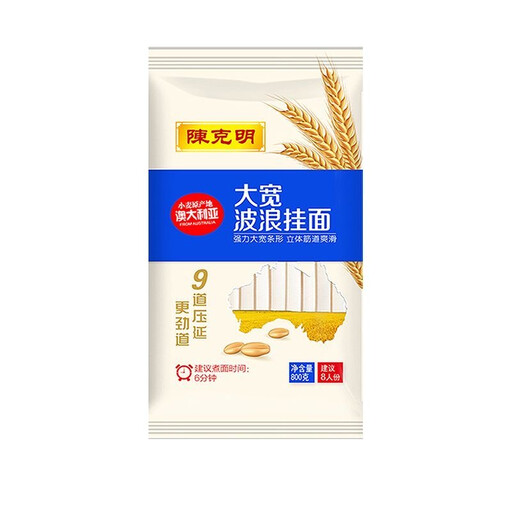
MATCH FOR: Lovers of Authentic Wok Dishes
Chen Ke Ming Extra Wide Wavy Noodles 800g

Chen Ke Ming Extra Wide Wavy Noodles 800g

Why This Fits Their Persona: This noodle was developed for dishes with plenty of sauce and ingredients. The wavy shape and robust wheat texture are ideal for the high temperatures and constant movement in a wok.

How It Avoids the Trap

It bypasses the "wrong texture" trap. Its firm structure prevents it from becoming mushy in the wok, a common problem with unsuitable noodle types.

Key Advantage & Pros

The wavy shape optimally picks up sauces and small pieces of vegetables. The 800g value pack is practical for regular use.
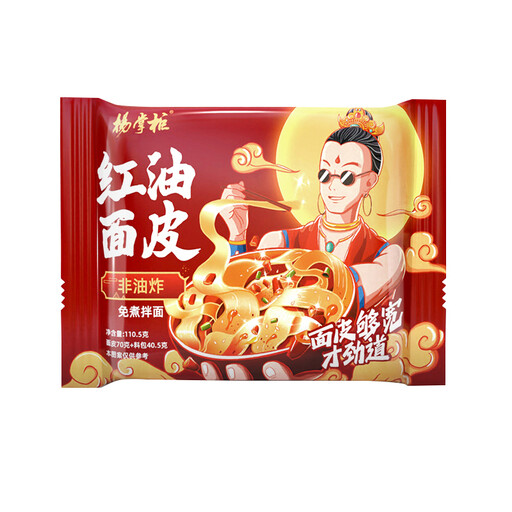
MATCH FOR: Those Seeking Quick, Flavourful Meals
Yang Zhang Gui Broad Noodles Chilli Oil Paste Flavour 110.5g/bag

Yang Zhang Gui Broad Noodles Chilli Oil Paste Flavour 110.5g/bag

Why This Fits Their Persona: Perfect for professionals or students who want a quick but flavourful meal. Preparation only requires hot water and takes just a few minutes.

How It Avoids the Trap

This product is transparently positioned as an instant meal. It avoids the "handmade" myth and focuses on what it does well: convenience and a bold flavour from the included seasoning packets.

Key Advantage & Pros

Preparation is done by steeping, no boiling necessary. The signature chilli oil sauce provides an authentic taste experience.
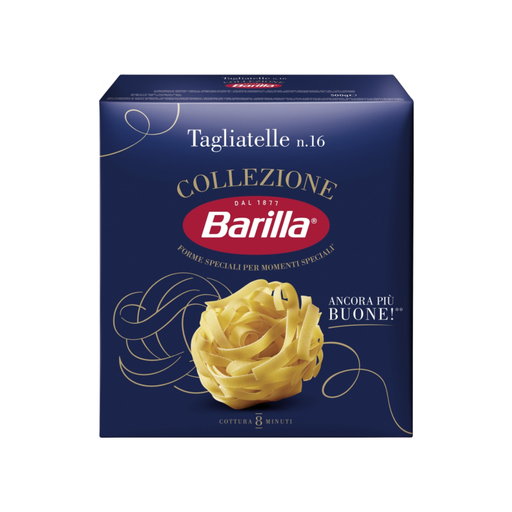
MATCH FOR: Fans of Italian Cuisine
Barilla Collezione Tagliatelle 500g

Barilla Collezione Tagliatelle 500g

Why This Fits Their Persona: For anyone wanting to prepare a classic Italian dish like Tagliatelle al Ragù or with a creamy sauce. Made from durum wheat semolina, it guarantees the typical "al dente" bite.

How It Avoids the Trap

This product is clearly positioned as Italian pasta, avoiding confusion with Asian noodles. The texture is specifically designed for absorbing rich sauces, not for soups or wok dishes.

Key Advantage & Pros

Made in Italy from 100% durum wheat semolina. The rough, porous texture ensures that the sauce clings optimally to the noodle.

Looking for More Options?

We've compiled a complete, up-to-date list of products that fully meet these strict selection criteria and all relevant regulations.

Frequently Asked Questions (FAQ)

How do I prevent wide noodles from sticking together while cooking?

Sticking is a common problem, especially with fresh or wide, flat noodles. Use a sufficiently large pot with plenty of boiling, salted water. Only add the noodles when the water is at a rolling boil, and stir them several times during the first one to two minutes. After draining, you can toss the noodles with a little oil or some of your sauce to prevent them from sticking later.

What is the difference between Chinese ribbon noodles and Italian tagliatelle?

The main difference lies in the ingredients and the resulting texture. Chinese ribbon noodles are typically made from plain wheat flour, water, and salt. The result is an often smoother and more elastic noodle. Tagliatelle, on the other hand, are made from durum wheat semolina and traditionally also eggs, which gives them a more porous, firmer structure and a richer flavour.

Are wide instant noodles a less healthy choice?

The noodles themselves are usually non-fried and consist mainly of wheat flour, similar to conventional dried noodles. The critical point with instant noodles is the accompanying seasoning packets. These can have a high content of sodium (salt) and flavour enhancers. One way to make the meal more balanced is to use only part of the seasoning mix or to supplement it with your own spices, fresh herbs, and vegetables.