
Lieferung heute & morgen

Qualitätsgarantie
App herunterladen
Kategorien
Choosing the right Wi-Fi security camera depends on an analysis of its technical specifications and intended use case. To make an informed decision, it's essential to objectively compare the core functions and performance features of various models. This guide breaks down the key parameters and presents a selection of cameras with different functional specialisations.
The performance of a security camera is determined by a combination of hardware and software components. The following criteria are crucial for a comprehensive evaluation.
Image resolution, measured in megapixels (MP), defines the level of detail in the footage. A higher resolution allows for clearer identification of objects like faces or license plates, even when digitally zoomed. Common standards include:
The field of view (FoV) indicates the area a fixed-position camera can cover. For dynamic surveillance of larger areas, PTZ (Pan-Tilt-Zoom) cameras are the ideal solution.
For seamless 24/7 surveillance, a high-performance night vision camera is essential. There are two primary technologies:
Most models use the 2.4 GHz Wi-Fi band, as it offers a longer range than the 5 GHz band. Some cameras also include an RJ45 port for a more stable, wired LAN connection. For recording, there are two primary methods:
Based on the technical criteria above, we present three models designed for different surveillance scenarios.
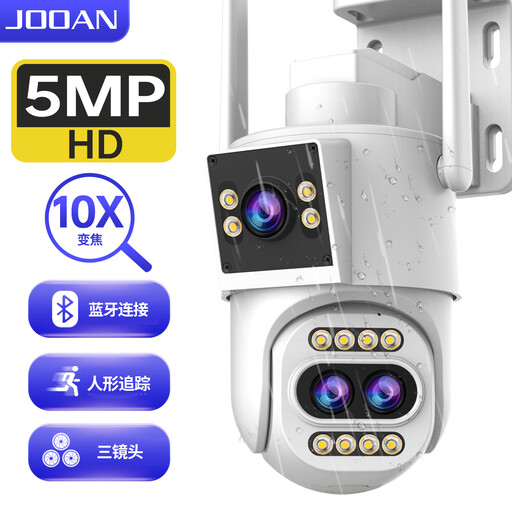
Why We Recommend This Product This model combines multiple lenses to provide flexible surveillance. Its standout feature is the integrated 10x optical zoom, which allows for detailed observation of distant objects without any loss of quality. The dual-screen function in the app enables the simultaneous display of a wide-angle view and a zoomed-in section.
Key Features
Best For Users who need to monitor large outdoor areas such as properties, driveways, or business premises and require high detail accuracy, even at long distances.
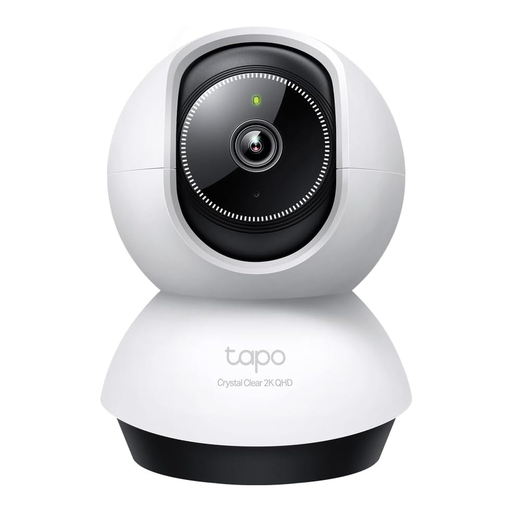
Why We Recommend This Product The Tapo TC72 is designed as a versatile smart home camera for indoor use. With its 2K resolution and 360° panning function, it provides complete room coverage. The AI-powered detection distinguishes relevant events from insignificant movements, and its integration with existing smart home systems like Google Assistant and Amazon Alexa enhances user convenience.
Key Features
Best For Users looking for flexible indoor surveillance, such as for monitoring pets, as a baby monitor alternative, or for general security of living spaces within a connected home.
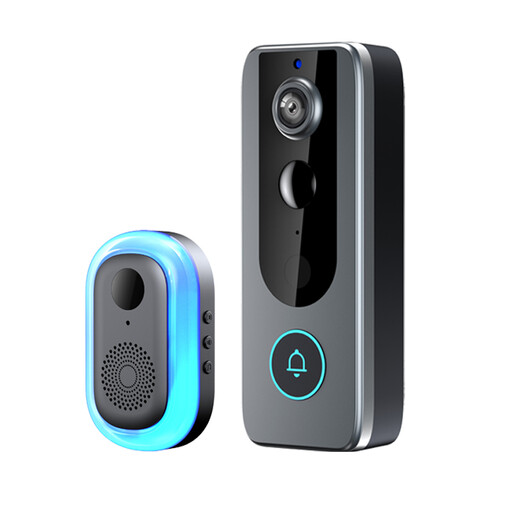
Why We Recommend This Product This product is a specialised solution that combines the function of a doorbell with that of an IP camera. The video doorbell replaces the traditional peephole, allowing you to see and communicate with visitors via an app, regardless of your location. Its weatherproof design ensures reliable performance at your front door.
Key Features
Best For Homeowners and renters who want to specifically secure their entrance area and maintain control over who is at their door, even when they are not home.
The security camera market offers a wide variety of other models tailored to specific needs. Whether for covert surveillance, battery-powered installations, or integration into professional security systems, you can find a broader selection in our Camera & Monitor category.
1. How does a Wi-Fi security camera work? A Wi-Fi security camera connects wirelessly to your local network (router). Through this connection, it can send live images and recorded videos to a connected device, such as a smartphone or computer. The camera is typically controlled and its footage accessed via an app provided by the manufacturer.
2. Does a Wi-Fi camera require a constant internet connection? An active internet connection is required for remote access (e.g., via the app while you're away), cloud storage, and receiving push notifications. However, if the camera is set up for local recording to a microSD card, it can continue to record without an internet connection. Access to the footage would then be limited to your local network.
3. What are the legal considerations when installing a security camera? In Germany, video surveillance is subject to strict legal frameworks, particularly the General Data Protection Regulation (GDPR). As a general rule, you are only permitted to film your own private property. Public areas, such as pavements or a neighbour's property, must not be recorded. It is recommended to inform yourself about the applicable local regulations and laws before installation.
Authored by: Joybuy Product Recommendation Officer