
Lieferung heute & morgen

Qualitätsgarantie

Willkommens-Angebote freischalten: KOSTENLOSE Lieferung | Bis zu 80 % RABATT | Kostenlose 30-Tage-JoyPlus-Testphase
App herunterladen
The search for the right wild animal toy can quickly feel like an expedition into a dense jungle. The selection is vast, and the advertising promises are often as imaginative as the play worlds themselves. However, not every product marketed as educational holds up to closer scrutiny. As your Joybuy Product Recommendation Officer, I'll help you navigate the common pitfalls and make an informed decision.
Many buyers invest in toys that end up unused in a corner after a short time or even have safety defects. The most common problems are:
To avoid these disappointments, it's crucial to focus on objective criteria rather than relying on marketing buzzwords.
Before you add a wild animal toy to your cart, you should check three fundamental aspects. These will help you objectively assess a product's quality and long-term play value.
A child's safety is the top priority. A reliable indicator of compliance with European safety standards is the CE marking. It certifies that the product meets legal requirements. Pay attention to the following points:
Children's interests vary. Choosing between an animal building set and ready-made animal play figures is key to long-lasting fun.
A good toy challenges a child without overwhelming them. The manufacturer's age recommendation is an important guideline here.
Based on the criteria above, we have identified several products that are well-suited for different needs and age groups.
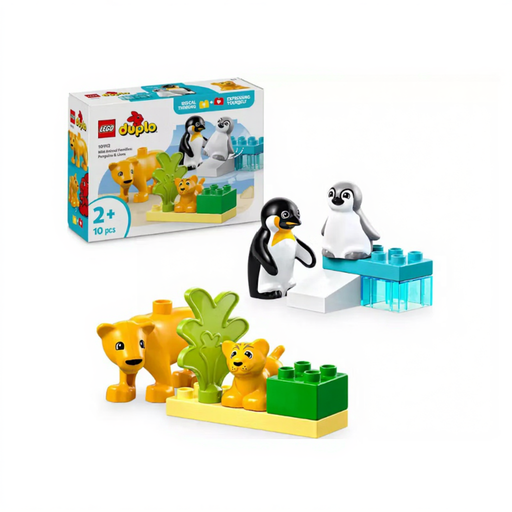
Why This Fits Their Persona: This set is specifically designed for little hands. The large, sturdy bricks are safe and easy to handle. It playfully encourages early role-playing and an understanding of animal families and different habitats (cold vs. warm).
It's more than just a figure; it's a building system that actively develops fine motor skills and offers real educational value by combining animals with structural elements (e.g., a slide for penguins).
Promotes social skills like empathy through caring for baby animals. The DUPLO quality ensures durability and safety.
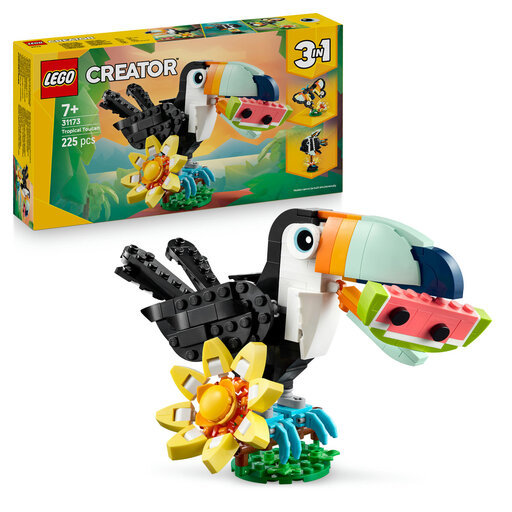
Why This Fits Their Persona: Ideal for children who love to build and create new things. The 3-in-1 concept ensures long-lasting engagement, as the same bricks can be used to build a toucan, a butterfly, or a fish.
This set directly counters the problem of limited play value. Instead of a single model, it offers three different building instructions and also inspires completely original creations.
Fosters creativity and problem-solving skills. The finished models have movable parts (wings, fins) and also make great decorations for a child's room.

Why This Fits Their Persona: Perfect for children and adults who value a true-to-life representation. The figure inspires imaginative stories and is an excellent entry point into the world of collecting animal figures.
Schleich figures are known for their high material quality and durability. The detailed, often hand-painted design clearly sets them apart from simple plastic figures and offers real added value for both play and collection.
The high degree of realism promotes playful learning about animal species and their characteristics. The figure is part of the extensive Schleich Wild Life series and can be expanded indefinitely.
We have compiled a complete, up-to-date list of products that fully meet these strict selection criteria and safety regulations.
The most important feature is the CE marking on the packaging, which confirms compliance with EU safety standards. Additionally, check the toy for sturdy workmanship with no sharp edges. For toys intended for children under three, it is legally required that they do not contain any small parts that can be swallowed. Always follow the manufacturer's age recommendation.
There's no one-size-fits-all answer, as it depends on the child's play style. Is the child a creative builder who loves to create and modify things? Then an animal building set from LEGO is an excellent choice. Or does the child love role-playing, inventing stories, and want to start a collection? In that case, the realistic animal figures from Schleich are often the more suitable option.
For most plastic figures, like those from Schleich, a damp cloth with a little mild dish soap is sufficient. Afterwards, wipe with clean water and let them dry thoroughly. According to the manufacturer, LEGO bricks can be washed by hand in water up to 40°C (104°F) with a mild soap solution. Cleaning them in a washing machine or dishwasher is not recommended, as the high temperatures can warp the plastic.