Increasing urbanisation and intensive agriculture are reducing the natural food sources and habitats for native wild birds. A thoughtful and species-appropriate feeding plan can therefore be a valuable measure to support the local bird population. Year-round feeding has emerged as an established concept, providing birds with essential energy not only in winter but also during the demanding breeding and rearing seasons. This guide focuses on the technical and practical aspects of selecting feed and accessories to effectively and hygienically care for birds in your garden or on your balcony.
Buyer's Guide: What to Look for When Making Your Selection
The decision for the right equipment is based on material quality, functionality, and the specific needs of the birds. An objective evaluation of these criteria is fundamental for sustainable and species-appropriate feeding.
Criteria for Bird Food
The composition of the feed is crucial. A high energy content, primarily from fats and proteins, is vital for birds' survival.
- Energy Source: Fat-rich seeds like shelled sunflower seeds are a primary energy source. The advantage of shelled kernels is the cleanliness of the feeding area, as no husk residue is left behind. This is a particularly relevant factor for balconies and patios.
- Composition: Single-ingredient feeds (like pure sunflower seeds) allow for targeted feeding of specific bird species. Mixed feeds should be tailored to local birdlife and contain no unsuitable or low-quality fillers.
- Storage: Bird food should be stored in a cool, dry place to prevent mould growth and pest infestation.
Selecting a Feeding Station and Bird Bath
A bird feeding station or bird house should be designed to protect the food from moisture and contamination by bird droppings.
- Material: Weather-resistant materials such as UV-resistant plastic or treated wood ensure a long service life. Metal parts should be rust-proof.
- Cleaning: The design must allow for easy and regular cleaning to prevent the spread of diseases. Open trays or easily disassembled dispensers are advantageous here.
- Water Source: A bird bath is just as important as a feeding station. It serves not only for drinking but also for feather maintenance. Shallow bowls with a rough surface provide birds with a secure footing.
The Importance of a Nesting Box
A nesting box offers birds a sheltered place for breeding and raising their young, as well as protection from weather and predators.
- Material: Untreated, breathable wood is a suitable material. It insulates well and prevents condensation from forming inside.
- Design: The size of the entrance hole determines which bird species will accept the box. A design without a perch below the entrance hole makes it more difficult for predators like martens or cats to reach the nest.
- Location: The orientation and placement of the nesting box are crucial for breeding success. It should be mounted in a quiet location, sheltered from direct sunlight and heavy rain.
Our Chosen Products
The following selection is based on an analysis of product specifications and their practical utility for bird feeding and settlement.
PANTO Premium Shelled Sunflower Seeds 1 kg
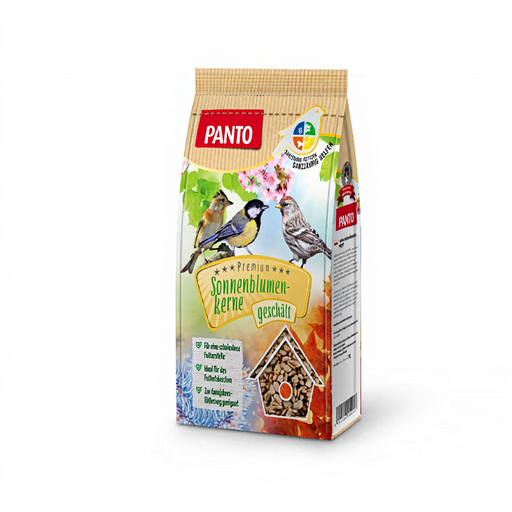
- Why we recommend this product: This product addresses a core problem of bird feeding in urban environments: cleanliness. By completely removing the shells, there is no need to clean up fallen debris. The focus on 100% sunflower kernels ensures high energy density.
- Benefits:
- High Energy Content: Rich in fats, ideal for year-round feeding.
- Shell-Free: No waste products under the feeder, which increases hygiene and is optimal for balconies and patios.
- Wide Acceptance: Accepted by a wide variety of native bird species.
- Who it's for: Individuals with a balcony, patio, or a well-kept garden who are looking for a clean and hassle-free feeding solution to attract birds and provide for them.
Bird Bath and Feeder 2pcs

- Why we recommend this product: This set combines two essential functions—feeding and watering—in a space-saving and easy-to-install solution. The choice of materials (fade-resistant plastic, rust-proof metal chains) is designed for durability in outdoor use.
- Benefits:
- 2-in-1 Functionality: Includes a feeding tray (32 cm) and a water bowl (25 cm) in one set.
- Weather-Resistant Material: Made from plastic that is resistant to fading from sun, rain, or frost.
- Easy Installation and Maintenance: The triple-chain suspension allows for flexible placement. The open bowls are easy to fill and clean.
- Who it's for: Garden and balcony owners looking for a complete and low-maintenance starter kit to provide wild birds with food and water.
NOBLEZA Wood Bird's Nest

- Why we recommend this product: This nesting box is crafted from natural, untreated wood. According to the manufacturer, the material is non-toxic and offers birds a natural and safe breeding site. The simple design blends unobtrusively into a natural environment.
- Benefits:
- Natural Material: The untreated wood offers good insulation properties and breathability.
- Secure Habitat: Serves as a protected nesting and resting place for birds.
- Easy Placement: Can be mounted in gardens or on balconies to offer nesting opportunities to birds.
- Who it's for: Nature enthusiasts who want to go beyond feeding to actively create habitat for breeding birds and encourage the settlement of cavity-nesters in their immediate surroundings.
Discover More Options
If the products featured here do not exactly meet your requirements, a broader selection of bird care accessories may offer suitable alternatives. Here you will find various models of feeders, nesting boxes, and feeds to complete your setup.
Discover the full range in our Bird category.
Frequently Asked Questions (FAQ)
1. When is the right time to feed wild birds? Traditional winter feeding is common. However, ornithological societies suggest that year-round feeding can be beneficial, as birds also have high energy demands during the breeding and chick-rearing season. It is crucial to maintain impeccable hygiene at the feeding station if you feed year-round.
2. What should you not feed wild birds? Salted, seasoned, or sugary leftovers are harmful to birds. Bread is also unsuitable, as it can swell in the birds' stomachs and provides few nutrients. Spoiled or mouldy food must never be offered under any circumstances.
3. How can I attract more birds to my garden? To attract birds, a diverse offering is key. Combine different types of food (e.g., suet, seeds, soft foods) at various feeding stations (hanging, on the ground, in a feeder house). A constantly filled bird bath, offering nesting opportunities, and planting native, berry-bearing shrubs will further enhance the appeal of your garden.
Written by the Joybuy Product Recommendation Officer


