What should you consider when choosing a camera?
Rugged compact camera with a close-up mode
A good fit if: You want to photograph accessible flowers and details on walks without changing lenses. OM SYSTEM lists a Microscope Mode for the TG-7; PENTAX describes macro lighting for the WG-8.
Worth considering: A close-up mode alone doesn’t tell you how large a more distant flower will appear in the frame or what magnification ratio the camera can achieve.
Interchangeable-lens camera with a kit zoom
A good fit if: You mainly want to photograph whole flowers and their surroundings, and would like to start with a standard zoom. The Canon EOS R50 kit includes the RF-S 18–45mm.
Worth considering: Canon quotes a maximum magnification of 0.25x for the RF-S 18–45mm when focusing manually; the separately available RF 85mm F2 Macro is a different lens.
Interchangeable-lens camera with a macro lens
A good fit if: You want to magnify tiny flower details and plan to use a suitable macro lens. OM SYSTEM quotes 1:1 for the M.Zuiko ED 60mm F2.8 Macro, while Nikon quotes the same for the NIKKOR Z MC 50mm f/2.8.
Worth considering: Changing lenses and carrying extra weight are part of the set-up. With a shallow depth of field, wind and camera movement can make shots more difficult.
The percentages refer to consumers choosing a camera for photographing wildflowers along woodland paths; each person is counted under their main purchase priority.
| Purchase priority |
What to look for |
Who is it important to? |
| Flower details |
Magnification ratio and focusing method of the specific lens; working distance and what’s actually included. |
If you want to fill the frame with tiny details, you need a lens with a magnification ratio suited to the distance from your subject. Around 33% of consumers would prioritise detail magnification above all else. |
| Sharpness in low light |
Aperture control, shutter speed and available stabilisation; also take wind and flower movement into account. |
If you’re photographing in dim woodland light, you’ll want to assess camera shake and subject movement separately. Around 25% of consumers would prioritise sharp shots in low light and with moving flowers. |
| Protection in wet weather |
Protection ratings for the specific camera model and, for interchangeable-lens cameras, the attached lens too. |
If you’re out in changeable weather, check the protection offered by the complete combination you’ll be using. Around 25% of consumers would put weather protection first. |
| Portability and composition |
Focal length range, what’s included and the weight with the battery and attached lens. |
If you want to switch between close-ups of flowers and their surroundings on a walk, you’ll need suitable framing options and kit that’s comfortable to carry. Around 17% of consumers would prioritise this combination of portability and creative control. |
Joybuy products for outdoor photography
The Joybuy products below are action cameras for outdoor photography. If you’re considering one for photographing wildflowers, check before buying that the focus and framing of the specific camera suit the distance from your subject.
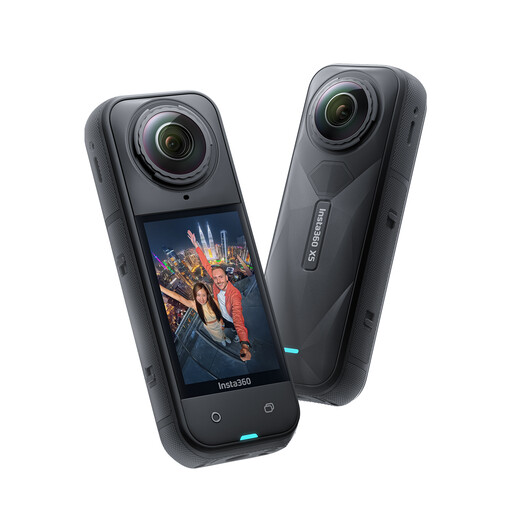 No image available
Insta360 X5 Waterproof 8K 360° Action Camera
If you’re considering an action camera for outdoor photography, check whether its framing and focus suit your wildflower subjects.
- 360° action camera
- 8K
- Described as waterproof in the product name
View at Joybuy
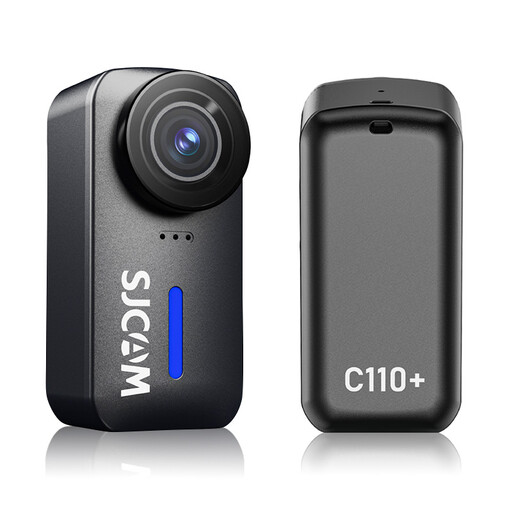 No image available
SJCAM C110+ 4K Action Camera
If you’re looking for a compact action camera for outdoor photography, first check whether its focus is suitable for the distance from your wildflower subjects.
- 20 MP photos
- 170° wide-angle lens with f/1.8
- Gyro-EIS stabilisation
- 120 minutes of recording time
- Waterproof to 30 m with housing
- Dimensions: 6,4 × 3,1 × 3,3 cm
The waterproof housing is designed to provide the stated water protection to 30 m.
View at Joybuy
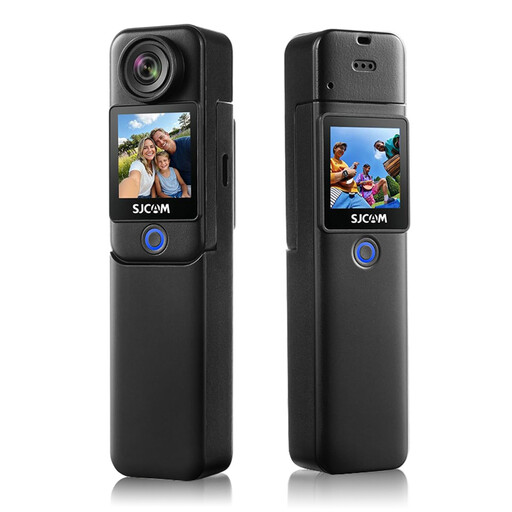 No image available
SJCAM C300 4K Action Camera
If you’re considering an action camera for outdoor photography, check that its focus and framing suit the distance you want to shoot from the flower.
- 4K action camera
- Photos up to 20 MP
- 6-axis EIS stabilisation
- 1,3-inch touchscreen
- Waterproof to 30 m with housing
The waterproof housing is required to provide the stated water protection to 30 m.
View at Joybuy
Frequently asked questions
Is a kit zoom enough for wildflowers?
A standard zoom can work well for whole flowers and their surroundings. If you want tiny details to fill the frame, compare the maximum magnification ratio of the specific lens: Canon quotes 0.25x for the RF-S 18–45mm when focusing manually, and 0.5x for the separately available RF 85mm F2 Macro.
Do I need a tripod for focus stacking?
Keeping the camera steady helps, as focus stacking involves taking several shots at different focus points. OM SYSTEM describes placing the TG-7 on a surface or using a tripod as options; in windy conditions, the flower may still move between shots.
What ongoing costs and terms should I consider when buying?
Compare everything included, as you may need to buy a macro lens in addition to the kit. Your statutory rights against the seller are separate from a voluntary manufacturer’s warranty; Verbraucherzentrale explains the rights that apply to purchases in Germany.
Can I leave the woodland path to photograph a flower?
There isn’t one answer that applies to every path. The administration of the Black Forest National Park confirms that visitors must stay on the paths there, including when taking photographs, and highlights seasonal closures. Check the rules for your specific location; this example doesn’t establish a nationwide requirement to stay on paths.
Can I pick a wildflower to photograph it?
Not simply because you want to photograph it. The Federal Ministry for the Environment explains that removing wild plants is generally prohibited, although limited exceptions may apply; stricter prohibitions apply to some species and protected areas. Whenever possible, photograph the plant where it grows and check the local rules.


