
Lieferung heute & morgen

Qualitätsgarantie

Willkommens-Angebote freischalten: KOSTENLOSE Lieferung | Bis zu 80 % RABATT | Kostenlose 30-Tage-JoyPlus-Testphase
App herunterladen
For many mothers, expressing breast milk is an integral part of daily life. The desire to not be tied to one place—but instead to handle daily tasks, work, or simply relax—leads many to search for a hands-free breast pump. However, the market is flooded with models whose marketing promises often create more confusion than clarity. Poor purchasing decisions lead not only to frustration but also to unnecessary expenses.
This guide is designed to help you avoid the typical pitfalls and make an informed decision. We will focus on the objective criteria that define a good wearable breast pump.
Before we turn to the important features, let's highlight three common problems that can arise during the selection process:
To avoid these pitfalls, you should focus on the following objectively assessable product features.
The effectiveness and comfort of any breast pump depend significantly on the correct size of the breast shield. This must be precisely matched to the size of the nipple.
Modern electric breast pumps mimic a baby's natural sucking rhythm, which consists of two phases:
A good cordless electric breast pump should offer both modes and allow you to adjust both the mode and the suction intensity across multiple levels. This ensures that pumping is not only effective but also comfortable.
For a wearable breast pump, the following aspects are of central importance:
Based on the criteria mentioned above, we have selected some products from our range that are suitable for different user profiles.
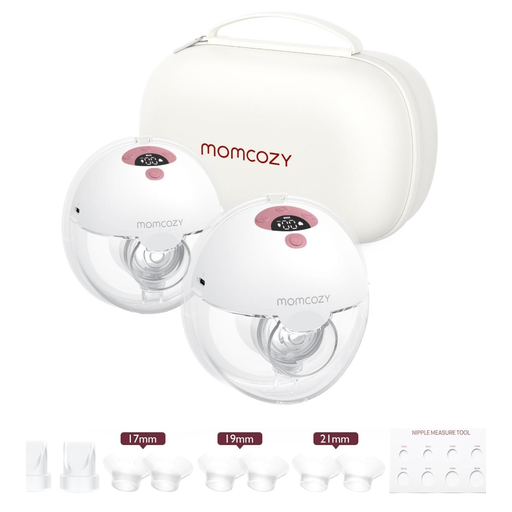
Why This Fits Their Persona: Ideal for mothers who need to pump regularly and on both sides to save time. The wearable design allows them to work, manage the household, or care for other children while pumping.
This model avoids the fit trap as it comes with four different flange sizes (17/19/21/24mm), according to the manufacturer. The 3 modes and 9 suction levels allow for gentle and individual adjustment instead of relying on pure suction power.
Efficient, double-sided pumping in a discreet, lightweight design. According to the manufacturer, the technology mimics a baby's sucking behaviour for an optimised milk flow.
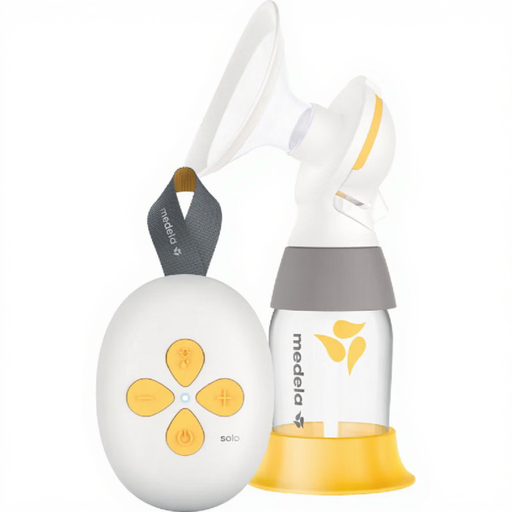
Why This Fits Their Persona: For mothers who value established brands and technologically sound products. While not an in-bra pump, this model also allows for hands-free pumping when combined with a pumping bra.
Medela relies on its 2-Phase Expression technology, which is based on the natural sucking behaviour of babies, rather than on maximum suction power. The PersonalFit Flex breast shield is designed to adapt to the breast shape, thus addressing the fit issue.
A compact design from an established brand. The integrated battery and quiet operation (under 45 dB, according to the manufacturer) support mobile use.
We have compiled a complete, real-time list of products that fully satisfy these strict selection criteria and UK safety regulations.
After each use, all parts that have come into contact with your skin or breast milk should be disassembled. Clean them with warm water and washing-up liquid, then rinse them thoroughly. At least once a day, these parts should be sterilised according to the manufacturer's instructions, for example, by boiling or using a steam steriliser. The motor unit must not come into contact with water.
Most wearable, cup-shaped breast pumps are designed to fit inside a well-fitting, supportive nursing bra. The bra should be stretchy but firm enough to hold the pump securely against the breast and prevent it from slipping or leaking. Very loose or non-elastic bras are less suitable.