
Lieferung heute & morgen

Qualitätsgarantie

Willkommens-Angebote freischalten: KOSTENLOSE Lieferung | Bis zu 80 % RABATT | Kostenlose 30-Tage-JoyPlus-Testphase
App herunterladen
Streaks on the living-room window, water spots on the shower screen or a dirty car window: The right window cleaner can make the job considerably easier. However, not every model delivers streak-free results automatically. The key factors are the intended use, materials, working width and correct handling.
This buying guide from the Joybuy Product Recommendation Officer explains what households, motorists, homeowners and small businesses should consider before making a purchase.
A wide window squeegee can clean large, smooth panes more quickly. On small windows, windows with glazing bars or shower enclosures, however, it is less manoeuvrable. The edges may be difficult to reach cleanly. For a range of different surfaces, a medium-width model or one with an adjustable handle is often more versatile.
Marketing claims about streak-free cleaning often assume ideal conditions. Dry dust, sand or limescale residue can cause scratches during wiping or put uneven pressure on the rubber blade. Coarse particles should be removed with water before use. A dirty or hardened blade can also leave streaks.
A window-cleaning robot only works reliably when the surface is smooth, intact and suitable for secure adhesion. Cracked, uneven or heavily textured surfaces can compromise safety. For devices with a power cable, water tank and safety cord, the manufacturer’s instructions must be followed in full. A robot also does not replace supervision during operation.
The right width depends on the surface:
A telescopic window wiper should lock securely into place and remain easy to control. Also check whether the handle or mount is compatible with an existing extension pole. According to the product specifications, the Leifheit Professional Window Squeegee, with its 45 cm working width, features a sliding handle and the Top-Lock system for compatible Leifheit Professional telescopic poles.
The rubber blade is the key wear component of a window squeegee. It should make even contact with the surface and show no visible nicks. Flexible rubber compounds adapt better to smooth surfaces. For delicate painted surfaces and vehicle windows, soft silicone blades are worth considering, provided the surface has first been cleared of sand and dirt.
A shower squeegee can be lightweight and easy to handle, while a professional window wiper used for longer periods requires a secure, non-slip grip. For replaceable blades, make sure spare parts are available and easy to fit.
Not every window cleaner is suitable for every surface. Check whether it is approved for:
When using a car glass wiper, never drag it over visible sand or dust particles while dry. Rinse the vehicle glass thoroughly first, then work from top to bottom with even, light pressure. Cleaning products should be compatible with the material. Strong acids, alkalis or bleaching agents can damage silicone, plastic and rubber.
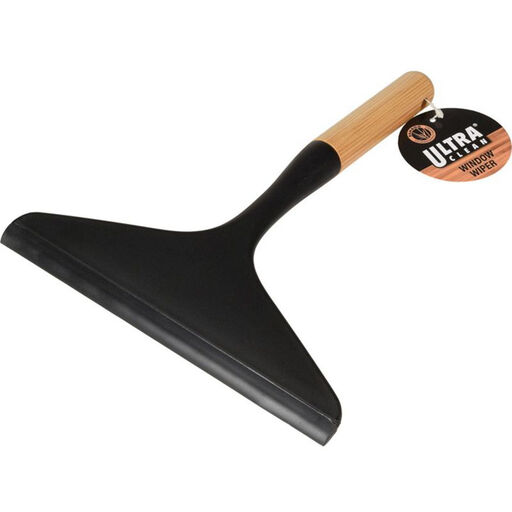
Why it suits this profile: A straightforward solution for occasional cleaning of windows, mirrors and smooth household surfaces.
The streamlined design makes the choice simple without requiring unnecessary electronics or accessories. Check the dimensions and handle design before buying.
Compact manual design with a bamboo finish. Suitable for small cleaning areas without access to a power supply.
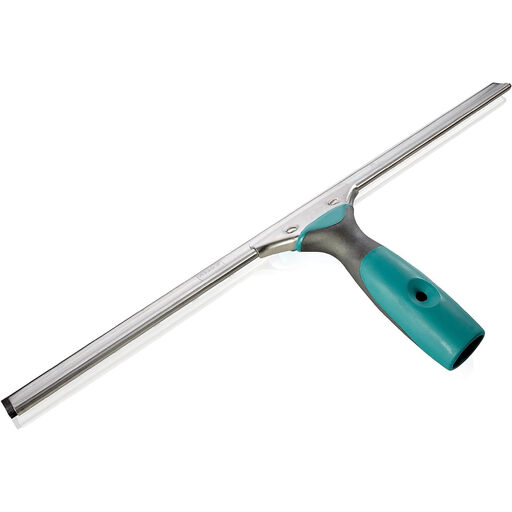
Why it suits this profile: For regular cleaning in larger households or small commercial premises with smooth glass surfaces.
The flexible 45 cm rubber blade and non-slip soft-rubber grip help prevent uneven wiping and insecure handling. The Top-Lock system must match the pole being used.
45 cm wiping width, adjustable handle position and compatibility with Leifheit Professional telescopic poles, according to the product specifications.
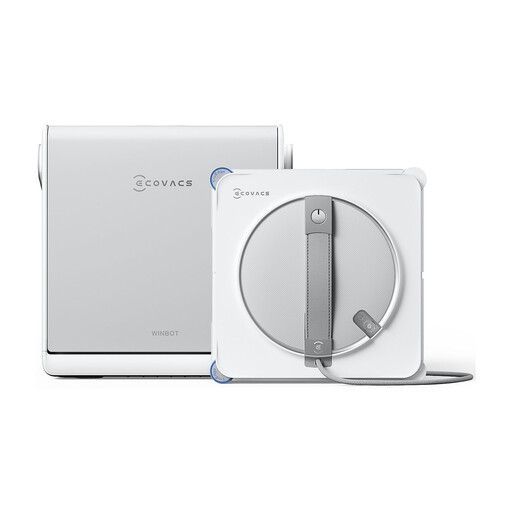
Why it suits this profile: For users who regularly clean suitable large glass surfaces and want a more automated approach.
According to the product description, the device includes a safety cord, 12 protection levels and a specified adhesion force of up to 8,000 Pa. Suitable glass surfaces and proper securing remain essential.
WIN-SLAM 4.0, multiple cleaning modes, an 80 ml water tank and up to 110 minutes of runtime, according to the supplier.
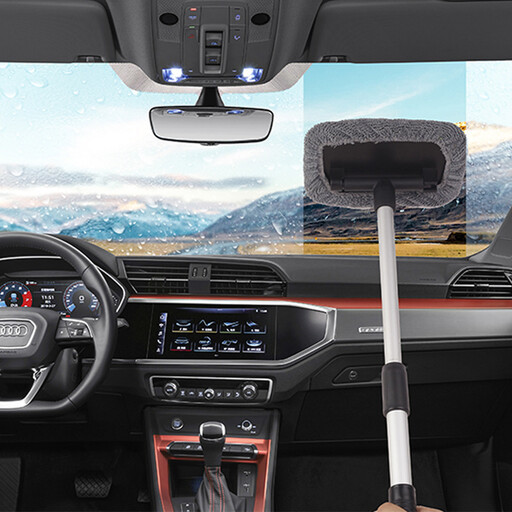
Why it suits this profile: For cleaning windscreens inside and out, particularly on larger vehicles or while travelling.
The washable microfibre head is designed for repeated use. Even so, coarse particles should be removed from the glass before wiping.
Extendable handle, reusable microfibre cover and compact in-car storage, according to the product description.
A traditional window squeegee requires no power, is ready to use immediately and incurs no battery or cleaning-fluid costs during operation. It is suitable for homes, mirrors, shower glass and smaller commercial areas. A window-cleaning tool with a microfibre cover can also pick up dust, making it practical for car windows or hard-to-reach areas.
A window-cleaning robot can save time on large, smooth glass surfaces. However, you should factor in the purchase price, power supply, safety cord, operating noise, cleaning cloths and suitable cleaning fluid. Devices such as the HUTT DDC55 Pro are intended for glass, mirrors and tiles according to the product specifications, but recommend a maximum incline of 60 degrees. Sloping skylights may therefore be unsuitable.
For shower enclosures, a compact shower squeegee is often all you need. For vehicles, a silicone windscreen wiper, an extendable side-mirror wiper or a microfibre tool is more suitable than a wide household squeegee.
Our selection includes additional products for different window sizes, surfaces and cleaning requirements. Always check the technical specifications, included accessories and safety instructions before buying.
Its lifespan depends on how it is used, stored and maintained, particularly the rubber blade. Visible nicks, hardened areas or uneven contact with the glass indicate wear. After use, rinse the window wiper and store it dry or protected from light.
In addition to electricity, you may need to budget for cleaning solution, washable cloths and replacement parts where applicable. Actual costs depend on the model, cleaning frequency and recommended fluid. Use only products approved in the operating instructions.
Only if the manufacturer approves it for the relevant surface. A car glass wiper with a soft silicone blade or microfibre attachment may be suitable for vehicle windows. The glass must be free of sand and coarse dirt before wiping; dry wiping should be avoided.