
Lieferung heute & morgen

Qualitätsgarantie

Willkommens-Angebote freischalten: KOSTENLOSE Lieferung | Bis zu 80 % RABATT | Kostenlose 30-Tage-JoyPlus-Testphase
App herunterladen
Cleaning windows, especially large glass fronts, conservatories, or on upper floors, is often tedious, time-consuming, and not without risk. An automatic window cleaner promises to make this chore significantly easier. However, the market is filled with models whose marketing promises don't always hold up to reality. Before you make a purchase, it's crucial to understand the typical shortcomings that can quickly turn a supposed convenience into a costly mistake.
Many devices look similar at first glance, but their real-world performance varies considerably. Pay close attention to these three critical points to avoid disappointment:
To avoid the problems mentioned above, you should carefully check several technical parameters before buying a window washing robot. These features are decisive for a satisfactory cleaning result and safe operation.
A crucial factor for complete, gap-free cleaning is the navigation system. Basic models often just bump into the frame and change direction, which can lead to missed spots. More advanced devices use intelligent route planning systems like WIN-SLAM to systematically cover the entire surface. Edge detection sensors are essential, especially for use on frameless glass surfaces like shower cabins or glass railings.
A reliable window cleaning robot must have multi-layered safety features. An integrated backup battery is mandatory. It ensures that the device remains attached to the window for a certain period (usually 20-30 minutes) during a sudden power loss and triggers an alarm. Additionally, a robust safety tether, firmly anchored indoors, is an indispensable protection against falls from great heights.
For true automation, a window cleaning robot with a spray function is the better choice. Look for models with multiple nozzles that create a fine mist to distribute the cleaning fluid evenly without dripping. The quality of the cleaning pads, usually made of microfiber, is also relevant. They should be washable and designed to effectively pick up dirt without smearing it.
Based on the criteria above, we have identified a few models that are well-suited for different user profiles and requirements.
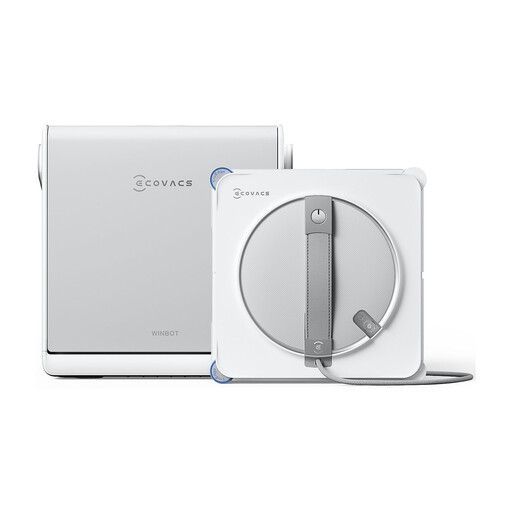
Why This Fits Their Persona: Ideal for owners of properties with large, hard-to-reach window surfaces like conservatories or multi-story glass facades. The multifunctional station offers convenience and organized storage.
The TruEdge technology is specifically designed for thorough edge cleaning, minimizing the need for manual touch-ups. The 12-stage safety system, with a backup battery and strong suction power (8,000 Pa according to the manufacturer), addresses the risk of falling.
The combination of intelligent WIN-SLAM 4.0 route planning and various cleaning modes allows for customizable and efficient cleaning. The multifunctional station serves as a charging, control, and storage unit.
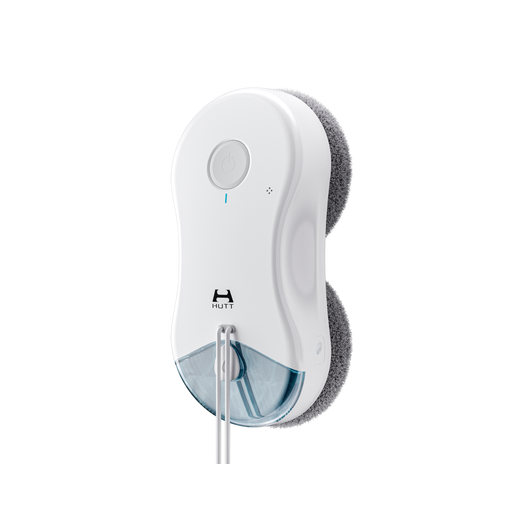
Why This Fits Their Persona: Suitable for users in apartments or houses with standard windows who are looking for reliable automation without complex extra features. Its simple remote control operation makes it ready to use out of the box.
With an 80 ml water tank and suction power up to 5,400 Pa (according to the manufacturer), this device provides a solid foundation for streak-free cleaning and a secure hold. The 30-minute backup power supply ensures necessary safety during a power failure.
The device focuses on core functions: it cleans reliably to the edge and is ready to go immediately without needing an app. Control is straightforward via the unit itself or the included remote control.
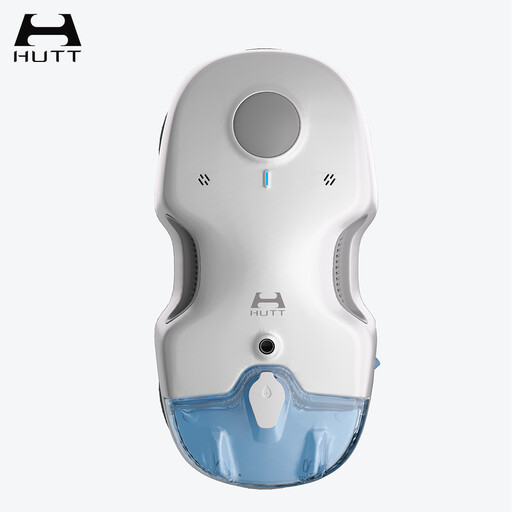
Why This Fits Their Persona: Ideal for users who want to clean not only glass windows but also other smooth surfaces like tiles, mirrors, or even wooden doors. Its adaptive suction power makes it a flexible household helper.
The HUTTHINK 5.0 frequency control dynamically adjusts suction power to the surface, ensuring a secure hold on various materials. The HUTTSLAM 4.0 mapping system provides systematic cleaning and avoids missed areas.
The ability to automatically regulate suction power makes it particularly versatile. According to the manufacturer, it can clean up to 60 m? on a single tank, making it efficient for larger projects as well.
We have compiled a complete, up-to-date list of products that fully meet these strict selection criteria and safety regulations.
Most models have a backup battery that keeps the device securely on the window for 20 to 30 minutes. This timeframe is sufficient to safely remove the robot from the window after the audible alarm sounds. The battery is not for regular operation but serves exclusively as a safety feature.
Yes, many modern window cleaning robots are equipped with sensors that detect the edge of a glass surface and prevent it from falling. Models with intelligent edge detection, such as the Ecovacs Winbot, are well-suited for use on frameless windows, glass doors, or shower walls. Before purchasing, check the manufacturer's specifications regarding suitability for frameless surfaces.
The result heavily depends on correct usage and the condition of the windows. For a streak-free finish, the cleaning pads should be clean, and the right amount of cleaning fluid should be used. For heavily soiled windows, a second pass or a pre-cleaning may be beneficial. The quality of the robot's spray function and squeegee is also crucial for a clean finish.