
Lieferung heute & morgen

Qualitätsgarantie

Willkommens-Angebote freischalten: KOSTENLOSE Lieferung | Bis zu 80 % RABATT | Kostenlose 30-Tage-JoyPlus-Testphase
App herunterladen
Cleaning windows, especially large glass facades or hard-to-reach skylights, is a chore many of us love to postpone. A window cleaning robot promises welcome relief. However, the market is flooded with devices making grandiose marketing claims. Before you make a purchase, it's crucial to understand the common pitfalls that can lead to disappointment and unnecessary expense.
Many buyers report devices that cause more problems than they solve. The most common frustrations include:
To avoid a bad purchase, focus on objective technical specifications rather than marketing claims. Two parameters are of central importance.
Suction power is the most critical criterion for the safety and cleaning performance of a window cleaning robot. It ensures the device adheres firmly to the vertical glass surface.
An automatic window cleaner should cover the entire surface systematically and completely. Pay attention to the type of navigation:
Instead of presenting a confusing list, we have matched products to specific user profiles.
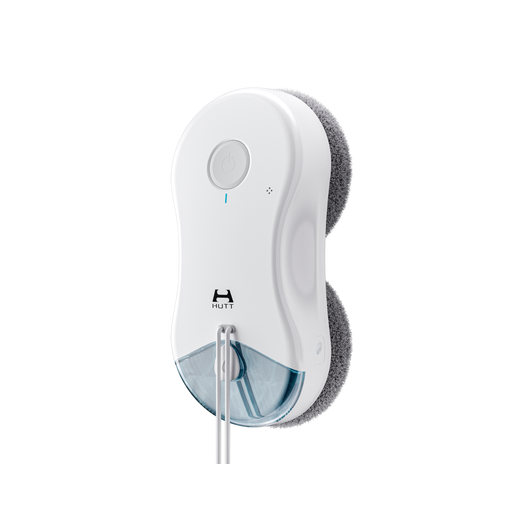
Why This Fits Their Persona: Ideal for homeowners with large glass surfaces or conservatories who need a reliable, autonomous cleaning solution. Its simple, app-free operation appeals to users who value a straightforward device for immediate use.
Its high suction power of up to 5,400 Pa ensures a secure grip. The device features a dedicated edge-cleaning function to prevent dirty borders. The remote control is intuitive, avoiding the complexity of a dedicated app.
Strong adhesion and thorough edge-to-edge cleaning. Versatile for use on glass, mirrors, and tiles. An emergency battery provides 30 minutes of safety during a power outage.
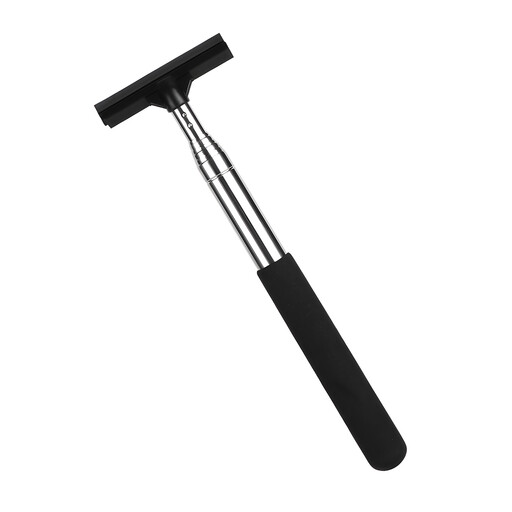
Why This Fits Their Persona: This isn't a robot, but a clever manual tool for a specific problem: cleaning car side mirrors in the rain without leaving the vehicle. Perfect for commuters and anyone looking for a simple, budget-friendly solution.
It prevents the purchase of an oversized, expensive device for a small task. As a purely mechanical tool, it has none of the typical technical weaknesses of a robot (no electronics, no software, no suction issues).
The telescopic design extends up to 98 cm. Its soft rubber blade cleans effectively without leaving scratches. Compact and easy to store in the car.
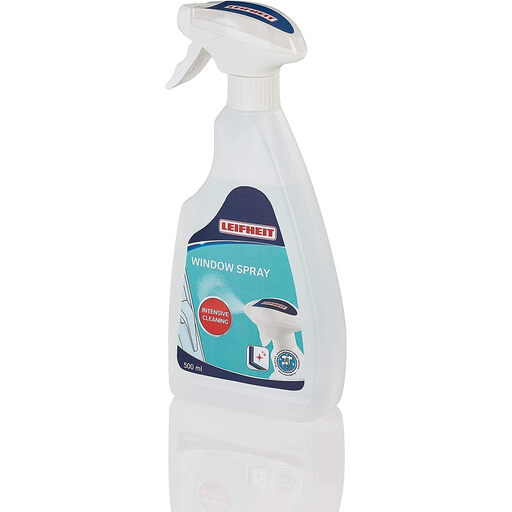
Why This Fits Their Persona: For those who demand a perfect result. This cleaning fluid is an ideal supplement for manual cleaning or for use with a window vacuum or robot to achieve a guaranteed streak-free finish.
Directly addresses the problem of streaks. Even the best window cleaning robot can leave smears with the wrong cleaning solution. This special formula is designed to prevent that by effectively dissolving dirt and grease.
A highly effective formula for a brilliant shine. The convenient spray bottle is refillable and can be ideally combined with other cleaning tools like window vacuums.
We've compiled a complete, up-to-date list of products that fully meet these strict selection criteria and safety standards.
Safety depends on suction power and additional safety mechanisms. Models like the HUTT DDC55 Pro feature high suction power and an uninterruptible power supply (UPS) battery that keeps the device on the window for up to 30 minutes during a power failure. Additionally, a safety rope is always included and must be secured to a fixed point (e.g., a radiator, window handle) before operation. Pay attention to the manufacturer's specifications for the maximum tilt angle; many devices are not designed for steeply sloped skylights (over 60°).
A streak-free result is possible, but it depends on several factors: the quality of the device, the cleanliness of the microfibre pads, and the type of cleaning solution used. It is advisable to change or wash the pads after cleaning each large surface. For heavily soiled windows, a second pass or manual pre-cleaning may be beneficial. Using a specialised glass cleaner can also improve the results.
Cleaning speed is often specified in minutes per square metre (min/m?). According to the manufacturer, the HUTT DDC55 Pro takes less than 3 minutes per square metre. For a standard 1.5 m? window, the cleaning process would therefore take about 4-5 minutes. The exact time can vary depending on the level of dirt and the selected cleaning program.