
Lieferung heute & morgen

Qualitätsgarantie

Willkommens-Angebote freischalten: KOSTENLOSE Lieferung | Bis zu 80 % RABATT | Kostenlose 30-Tage-JoyPlus-Testphase
App herunterladen
Sparkling clean windows without dangerous climbs on a ladder or hours of polishing—that's the promise of automatic window cleaners. But the market is flooded with devices whose real-world performance often falls short of their advertising claims. As a Joybuy Product Recommendation Officer, I see every day which features truly matter and which are just superfluous extras. This guide will help you navigate the common pitfalls and find a model that reliably delivers a streak-free shine.
Many buyers invest in a device only to find it creates more problems than it solves. Pay close attention to these three weak points to avoid a bad purchase:
To avoid these traps, you should check three core technical features before buying. These determine the safety, efficiency, and final cleaning result.
Safety is non-negotiable, especially when cleaning windows on upper floors. Two components are critical here:
A good automatic window cleaner doesn't clean randomly, but systematically. Look for intelligent path-planning systems, often marketed under brand names like WIN-SLAM. This technology ensures the robot covers the entire glass surface in orderly paths, detects edges, and doesn't miss any spots. This is the key to achieving streak-free window cleaning.
The way cleaning fluid is applied has a direct impact on the result. Models with multiple, wide-angle spray nozzles distribute the glass cleaner finely and evenly in front of the cleaning pad. This effectively dissolves dirt without oversaturating the window. Equally important are high-quality, washable microfibre pads that absorb the loosened dirt instead of just spreading it around.
Based on these objective criteria, we have identified a few models that represent a smart choice for different user profiles and requirements.
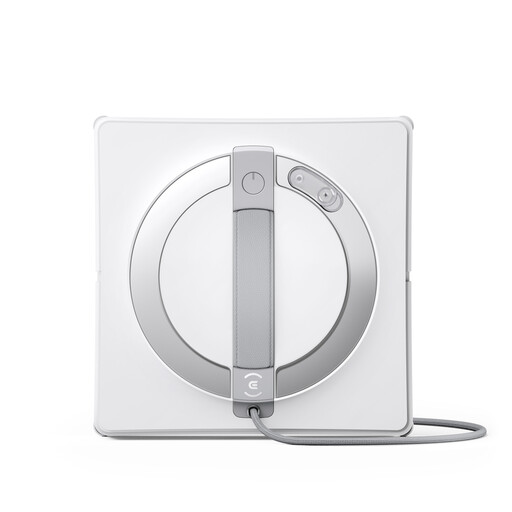
Why This Fits Their Persona: Ideal for owners of conservatories, floor-to-ceiling windows, or hard-to-reach glass facades. The multi-function station serves as a base, simplifies transport, and automatically retracts the cable, making it much easier to handle on large surfaces.
The WIN-SLAM 4.0 path planning and three-nozzle, wide-angle spray technology actively combat streaking and incomplete cleaning. The 12-stage safety system directly addresses the concern of falls.
Portable multi-function station for maximum flexibility; Advanced navigation for gapless coverage.
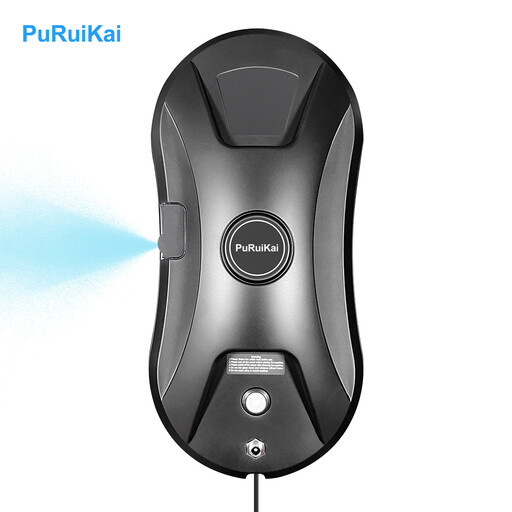
Why This Fits Their Persona: A great choice for users in apartments with standard windows who are looking for reliable core functionality without complex extras. The device focuses on strong adhesion and simple operation.
With 5600 Pa of suction power, it effectively addresses the primary pitfall of insufficient adhesion and the risk of falling. The simple remote control avoids the complexity of error-prone app functions.
Very high suction power for a secure hold; Focuses on the core function of automatic cleaning.

Why This Fits Their Persona: Suitable for users seeking a balance between advanced features and a reasonable price. The combination of a dual spray function and advanced sensors offers higher cleaning efficiency than basic models.
The dual-sided spray function ensures constant pad moisture, combating streaking. The laser sensor improves edge detection and reduces the risk of missing spots.
Dual spray nozzles for an even clean; Laser sensors for more precise edge navigation.
While the robot handles the mechanical work, choosing the right cleaning solution is crucial for a flawless result. Not every liquid is suitable for the fine nozzles of a window cleaning robot. Aggressive or foaming cleaners can clog the nozzles and interfere with the sensors.
A window cleaning robot's performance also depends on the glass cleaner used. Discover our selection of solutions that are formulated for a streak-free clean and won't clog the device's sensitive spray nozzles.
Can a window cleaning robot also clean frameless windows? Yes, most modern devices are equipped with edge detection sensors. They recognise the end of the glass surface and change direction, making them suitable for use on frameless windows, glass balustrades, or mirrors. However, it is always advisable to verify this feature in the manufacturer's specifications.
Does a window cleaning robot work on heavy grime? For very dirty windows, such as after construction work or a long winter, a two-pass method has proven effective. Perform an initial dry run to remove coarse dust and dirt. A second, wet cleaning pass will then provide a polished, streak-free finish and prevent heavy dirt from being smeared.
How often do the cleaning pads of a window cleaning robot need to be changed? For optimal results, it is recommended to use a clean pair of pads for each major cleaning cycle or for every 15-20 m? of glass surface. Most pads are machine-washable. It's practical to have a few spare sets on hand so you can always use a clean one.