
Lieferung heute & morgen

Qualitätsgarantie

Willkommens-Angebote freischalten: KOSTENLOSE Lieferung | Bis zu 80 % RABATT | Kostenlose 30-Tage-JoyPlus-Testphase
App herunterladen
A window-cleaning robot can make it easier to clean large glass surfaces and reduce the need to work at height or reach awkward windows. However, models vary considerably when it comes to suction, navigation, edge cleaning, power supply and safety features. If you focus only on high suction power or an automatic spray function, you may overlook important details.
The following points can help households, working professionals and families find the right automatic window-cleaning robot for their windows.
Figures such as 6,500 or 8,000 Pa describe suction power, but on their own they say little about how practical a device is for everyday use. You should also consider automatic air-pressure adjustment, edge-detection sensors, a backup power supply and a safety cord that is properly secured.
A window-cleaning robot with a suction pad should only be used on suitable, smooth glass surfaces. Damaged, very uneven or unsuitable surfaces may affect its grip. Before every use, attach the safety cord to a sturdy anchor point.
Frames, seals, window handles and narrow gaps can be challenging for many devices. When choosing a window-cleaning robot with edge detection, consider the sensor technology it uses and its stated cleaning width.
For window-cleaning robots for frameless windows, the manufacturer should explicitly confirm that the device is suitable. Even then, always follow the instruction manual. Automatic edge detection is no substitute for supervising the robot during its first use.
The stated runtime may depend on whether the device is used cordless, with a station or plugged into the mains. Check the charging time, maximum cleaning area and whether the robot stays attached to the glass during a power cut.
For large expanses of glazing, a model with a multifunction station, longer runtime or the ability to operate while charging may be more practical than a more compact device with a smaller battery reserve.
A well-equipped model has several independent safety mechanisms:
Always follow the manufacturer’s safety instructions. A window-cleaning robot should not be left unattended while operating.
Systems such as WIN-SLAM plan the robot’s route across the glass. Depending on the model, modes may include quick clean, intensive clean, spot clean, edge clean or cleaning individual areas. A quick mode is often enough for regularly cleaned windows; dried-on dirt may require several passes or some manual pre-cleaning.
Height and width are important for narrow windows, sash windows and areas with handles. Washable cleaning pads help reduce ongoing costs, but they need to be washed regularly and dried thoroughly. A small water tank is convenient, but may need frequent refilling on larger surfaces.
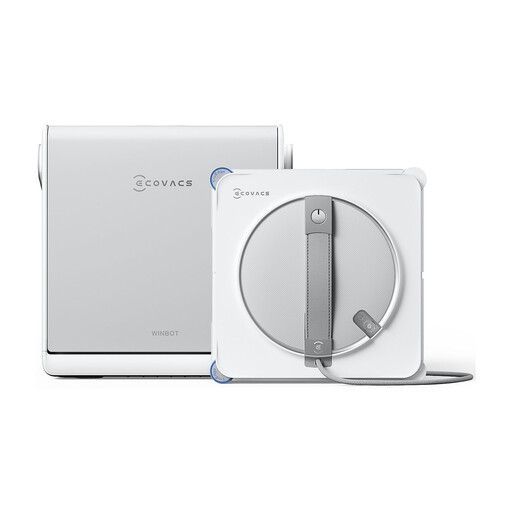
Why this product suits this profile: This model combines 8,000 Pa suction power, TruEdge edge cleaning, WIN-SLAM 4.0 and a multifunction station. With a runtime of up to 110 minutes, it is suitable for larger areas of glass around the home.
Its 12-point safety system, optical edge detection and supplied safety cord address the main risks of operating a robot on high windows.
TruEdge cleaning reaches to within about 1.1 cm of the edge, and the stated cleaning area is up to 65 m² in quick-clean mode.
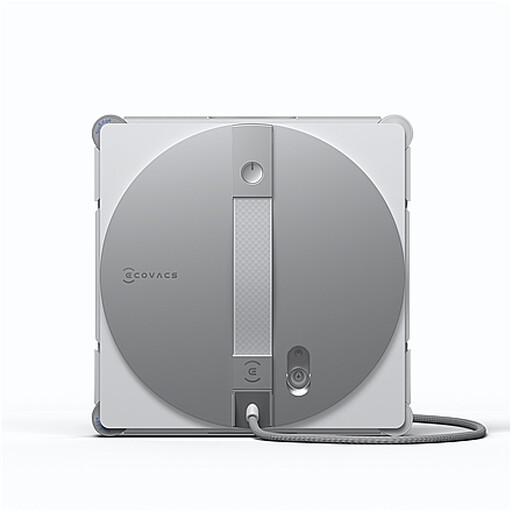
Why this product suits this profile: The WINBOT W3 OMNI is a good option if you want to switch between corded and cordless use and value automatic navigation.
Optical edge detection and a 12-point safety system offer more concrete reassurance than a marketing claim about suction power alone.
8,000 Pa suction power, WIN-SLAM 5.0, up to 200 rotations per minute when wiping and a runtime of up to 70 minutes.
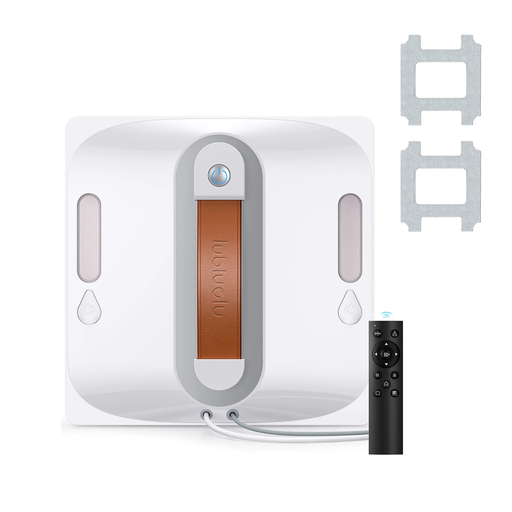
Why this product suits this profile: This model offers basic automatic functions and several cleaning patterns, making it a good choice if you want straightforward features and a remote control.
The specifications list a 5-metre safety cord, an internal battery and sensors for collision and edge detection. Check these features before use.
Stated suction power of 6,500 Pa, four cleaning modes, and N, Z and combined cleaning patterns.
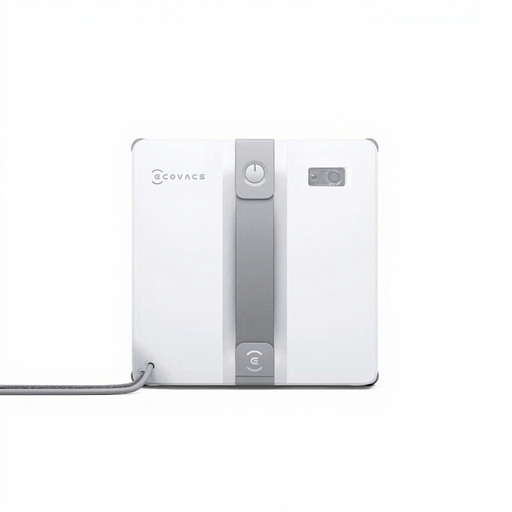
Why this product suits this profile: At 55 mm high and 215 mm long, its compact design is made for narrow glass surfaces and areas with handles or safety grilles.
Its small size reduces the risk of the device getting stuck in tight spaces. You should still check that the glass is suitable and follow the safety-cord and operating instructions.
Stated suction power of 7,500 Pa, WIN-SLAM 3.0, spray-mist technology and a nine-point safety system, according to the product description.
We’ve put together a complete, regularly updated list of products that meet these strict selection criteria and fully comply with the safety regulations in force in the EU.
First, make sure the glass is clean, dry and suitable for the device. Secure the safety cord to a sturdy anchor point, place the robot on the glass as instructed and check that it is firmly attached before starting. Cables should not be taut or create a trip hazard.
Its lifespan depends on how often it is used, as well as the cleaning pads, battery, motor and how it is stored. After each use, clean the pads, gently wipe the sensors and check the cables and safety cord for damage. Refer to the manufacturer’s documentation for official lifespan information.
In addition to the purchase price, you’ll need to account for electricity, cleaning solution and, where applicable, replacement or washing pads. Models with washable pads can reduce ongoing costs. Only use cleaning products approved by the manufacturer, and do not exceed the stated tank capacity.