
Lieferung heute & morgen

Qualitätsgarantie

Willkommens-Angebote freischalten: KOSTENLOSE Lieferung | Bis zu 80 % RABATT | Kostenlose 30-Tage-JoyPlus-Testphase
App herunterladen
Large windows, full-height patio doors and hard-to-reach exterior panes are easier to clean with a window-cleaning robot. Most models use suction, cleaning pads and, depending on the model, a water tank or spray function. However, a robot is no substitute for checking the glass, securing the device correctly and following the manufacturer’s instructions.
If you’re looking to buy a window-cleaning robot, don’t be swayed by high Pa ratings or marketing claims alone. The key is to choose a model that suits the size and surface of your windows, as well as how you plan to use it at home.
A figure such as 5,400, 6,500 or 8,000 Pa indicates the stated suction power. On its own, however, it doesn’t tell you how reliably a device will stay attached to every surface. Glass can be dusty, greasy, damp or textured. Joints, damaged areas and obstacles can also affect adhesion.
A window-cleaning robot with a safety tether should therefore always be secured mechanically as well. Attach the tether to a suitable, stable anchor point. Suction power is no substitute for this safeguard.
Many devices detect the edge of a window, but their design may prevent them from reaching every corner fully. Check whether the manufacturer gives specific details about edge cleaning, sensors or the distance from the frame. For frameless panes, it’s also important to find out how edge detection works.
A window-cleaning robot with a spray function needs a suitable cleaning solution and a correctly filled tank. Foaming or unapproved products can block the nozzles, soak the pads or affect adhesion. Always follow the instructions for the specific model.
Look for a combination of:
In the event of a power cut, a built-in battery can help maintain adhesion for a limited time. How long it lasts depends on the model, and it shouldn’t be treated as an unlimited backup. Once cleaning is complete, remove the device promptly and recharge it.
An automatic window cleaner with smart route planning can clean the glass systematically in overlapping lines. Terms such as WIN-SLAM, N-shape, Z-shape and hybrid route describe different navigation and movement patterns. For large windows, make sure the power cable or combination cable is long enough and won’t catch on the frame.
Several cleaning modes can be useful: a quick programme is suitable for light, regular cleaning, while an intensive or edge mode is designed for tougher marks or areas around the edges. Actual cleaning performance also depends on the pad, the level of dirt and how the glass is prepared.
Not every glass-cleaning robot is approved for roof windows, textured panes, tiles or sloping surfaces. Before you buy, check:
For full-height windows and large glass surfaces, a sufficiently long safety tether and power cable, as well as an adequate battery reserve, are particularly important. A compact model may be a better choice for narrow windows, mirrors or areas with limited room to move.
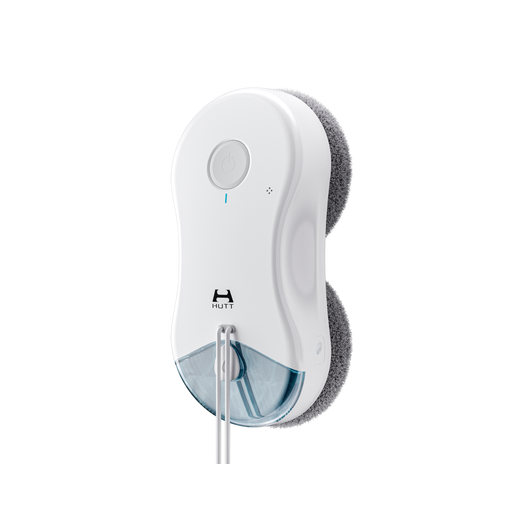
Why this model is a good fit: You can operate it using the controls on the device or the remote control, with no app required. With suction power of up to 5,400 Pa, an 80-ml water tank and a 4.5-m safety tether, it’s designed for a range of smooth glass surfaces around the home.
You don’t need an app to operate it. The stated working area, maximum incline of 60 degrees and safety tether make it easier to check whether it’s suitable before you buy.
Remote control, edge cleaning and a stated 30-minute power-failure safety backup.
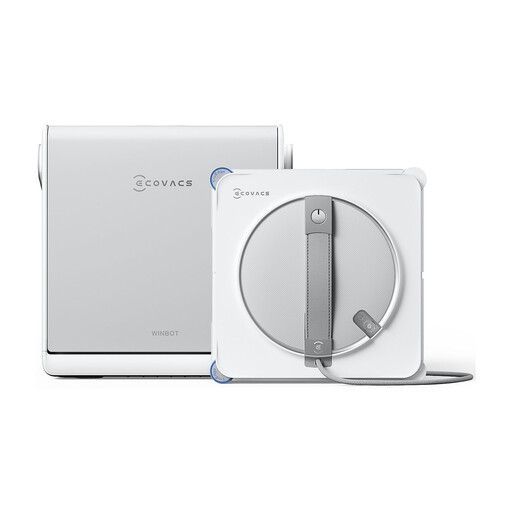
Why this model is a good fit: According to the product details, it combines 8,000 Pa suction power, TruEdge edge cleaning, WIN-SLAM 4.0 and a multifunction station. Its stated run time is up to 110 minutes.
The edge-cleaning function comes with a specific stated clearance of up to 1.1 cm. Remember to check the safety tether, 12-stage protection system and suitability of the glass surface too.
80-ml tank, multiple cleaning modes and a portable station with charging function.
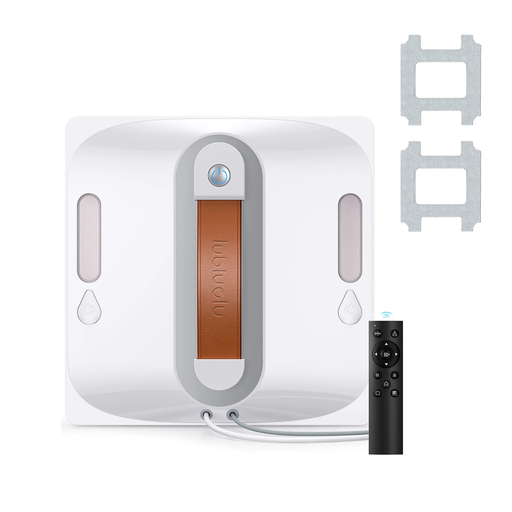
Why this model is a good fit: According to the product description, it offers 6,500 Pa suction power, eight safety layers, four cleaning modes and automatic route planning. It also comes with a 5-m safety tether and a stated 30-minute emergency power supply.
Separate modes for quick, deep and edge cleaning make it clear what each setting is designed for. Always check the condition of the glass and secure the tether before use.
Edge mode, N-, Z- and hybrid paths, plus sensors for detecting collisions and falls.
We’ve put together a complete, regularly updated list of products that meet these strict selection criteria and fully comply with the safety regulations in force across the EU.
As well as the purchase price, you’ll need to budget for cleaning solution, replacement or washable pads and, where necessary, extra safety or power cables. Only use products approved by the manufacturer. For example, a compatible 1-litre cleaning solution is available for ECOVACS WINBOT models. Check that it’s suitable for your model range before buying more.
Wash the pads according to the instructions, remove dust before starting and clean the sensors regularly. You can prepare very dirty windows by cleaning them manually or dry first. This helps prevent larger particles from being dragged across the glass.
No. Even with high suction power and multiple sensors, the safety tether must be secured as instructed in the user manual. Mechanical protection is essential, particularly when cleaning exterior windows, windows at height and full-height panes.
There’s no single answer. It depends on factors such as how often you use it, how well you maintain it, how often you replace the pads, where you store it and how much strain is placed on the battery and cables. Storing it somewhere dry and dust-free, and cleaning the sensors, can help it operate as intended. The warranty and manufacturer’s terms and conditions still apply.
Ongoing costs include cleaning solution, washable pads and, where necessary, replacement parts. How much you use depends on the tank size, window area and cleaning mode. If you plan to use the robot frequently, check whether the pads are washable and accessories are available separately.