
Lieferung heute & morgen

Qualitätsgarantie

Willkommens-Angebote freischalten: KOSTENLOSE Lieferung | Bis zu 80 % RABATT | Kostenlose 30-Tage-JoyPlus-Testphase
App herunterladen
Large windows, patio doors and hard-to-reach glass surfaces can be cleaned with a window cleaning robot, without needing a ladder. These devices use suction to attach themselves to the glass, follow a set route and wipe the surface with cleaning pads. Depending on the model, they may also feature spray nozzles, app control or automatic edge detection.
However, you shouldn’t choose a model based solely on a high Pa rating or a low price. For households in Germany, the main things to consider are secure attachment, suitable glass surfaces, power supply and the ongoing cost of pads and cleaning solution.
Suction power is usually measured in pascals, or Pa. A higher figure may help the robot stay attached, but it doesn’t tell you anything about the quality of the cleaning pads, edge coverage or navigation. The robot’s weight, the surface of the glass and how evenly the cleaning pad sits against it can all affect the results.
That’s why you should assess a window cleaning robot’s suction power alongside its edge detection, drive system, safety tether and backup power protection.
A window cleaning robot with a spray function can apply cleaning solution as it works. However, you should still prepare the glass if it’s covered in heavy dust, grease or larger particles. Otherwise, dirt may be dragged across the surface or the pads may wear out more quickly.
It’s also important to use only cleaning solutions approved by the manufacturer. Unsuitable products can clog the nozzles, affect suction or leave residue behind.
An automatic window cleaner needs to be set up correctly. Before every use, check the power cable, safety tether, cleaning pad and suction. Many models aren’t suitable for damaged, cracked, very uneven or wet glass.
You should also supervise the cleaning process when using a window cleaning robot with app control. The app can select modes or show you the robot’s progress, but it can’t replace an on-the-spot safety check.
For example, available models have suction ratings ranging from 2,500 Pa to 8,000 Pa. A higher figure may be beneficial on vertical glass surfaces, but it needs to suit the robot’s design. Also check whether the robot needs to stay connected to the mains while operating. For several models, the built-in battery is mainly there to maintain suction temporarily in the event of a power cut.
Check the following:
A window cleaning robot with a safety tether should only be used when the tether is securely attached. It must be fastened to a stable fixing point indoors. If you’re cleaning high exterior windows, also check that the cable is long enough for your specific set-up.
For example, the ECOVACS WINBOT W2 OMNI is listed with an integrated cable system and a 5.5 m safety tether. According to the product information, the station should be placed on a stable, level surface. Details like these matter more than general claims about “intelligent safety”.
A systematic route can help prevent the robot from cleaning the same areas repeatedly or missing sections altogether. Features such as edge detection, obstacle detection and return-to-start are particularly useful on large windows.
Before buying, check:
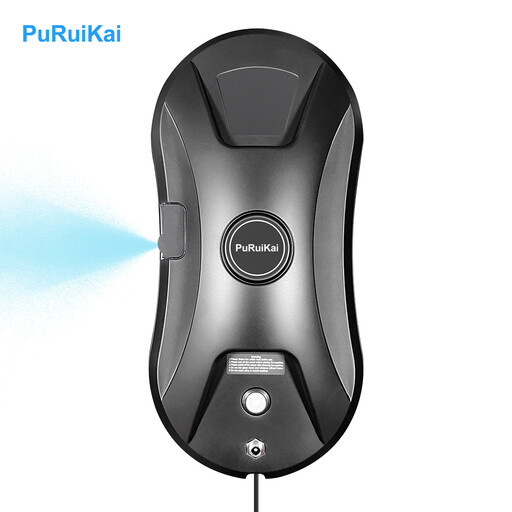
Why this product suits this profile: With a stated suction power of 5,600 Pa and a design for smooth glass, it offers a straightforward introduction to automated window cleaning.
The product name specifically mentions smooth glass surfaces, making it easier to establish whether it’s suitable for your needs before you buy.
Stated suction power of 5,600 Pa; designed for smooth glass surfaces.
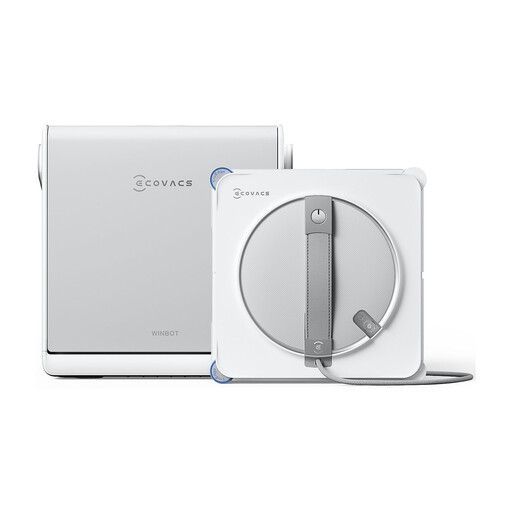
Why this product suits this profile: According to the product information, this model combines 8,000 Pa suction power, TruEdge edge cleaning, WIN-SLAM 4.0 and a multifunctional station.
Several cleaning modes and stated edge coverage make it easier to adapt the robot to different glass surfaces.
8,000 Pa according to the product information; up to 110 minutes’ runtime and a 12-stage safety system.
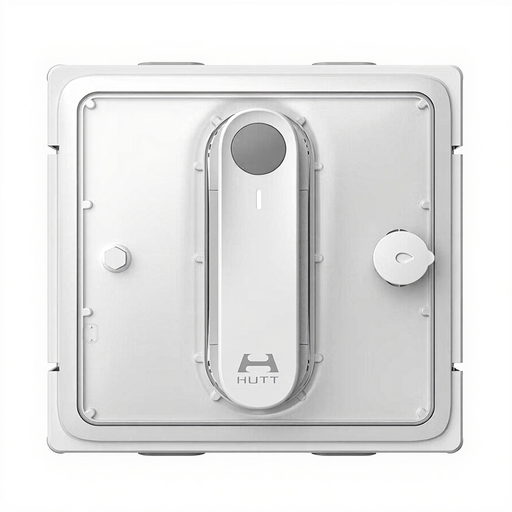
Why this product suits this profile: The HUTT W9 may appeal if you prefer an integrated spray function, edge detection and a 150 ml tank.
The larger tank may mean fewer top-ups, but you’ll still need to check which cleaning solutions to use and whether your glass is suitable.
150 ml tank according to the product information; edge detection and remote control.

Why this product suits this profile: The product information lists 7,500 Pa, a dual ultrasonic nozzle, WIN-SLAM 5.0 and app control in a compact design.
Its compact size and app control make it easier to compare the robot’s features before buying. You should also take the “Like New” condition into account.
7,500 Pa according to the product information; app control and WIN-SLAM 5.0.
We’ve put together a complete, regularly updated list of products that meet these strict selection criteria and fully comply with the safety regulations in force in the EU.
As well as the purchase price, you’ll need to budget for cleaning pads, cleaning solution and, where necessary, replacement parts. Washable pads can reduce consumption, but they need to be cleaned according to the instructions and dried thoroughly after every use. Dirty pads can leave streaks and affect suction.
If you’ll be using the robot often, check whether replacement pads are available and how long the manufacturer’s warranty lasts. Noise levels are also worth considering in rented homes: some of the product information for the models mentioned puts noise at around 65 to 70 dB. Bear this in mind if you’ll be using the robot indoors.
First, check that the glass is suitable and attach the cleaning pad correctly. Then connect the power supply and safety tether. The tether must be fastened to a stable point. Start cleaning only once the robot is securely attached. Always follow the instructions for your specific model.
Its lifespan depends on how often you use it, how well you maintain it, and the condition of its battery, pads and drive system. It isn’t possible to give a reliable fixed lifespan. Cleaning the pads regularly, storing the robot properly and using approved cleaning solutions can help limit wear and tear. Before buying, check whether replacement consumables are available.
Compared with the cost of pads and cleaning solution, electricity is usually a smaller part of the overall running cost. The main factors are how often you clean, the price of replacement pads and how much solution you need. Models with larger tanks or washable pads can be more convenient if you use the robot frequently.