
Lieferung heute & morgen

Qualitätsgarantie

Willkommens-Angebote freischalten: KOSTENLOSE Lieferung | Bis zu 80 % RABATT | Kostenlose 30-Tage-JoyPlus-Testphase
App herunterladen
Large windows, balcony doors, mirrors and hard-to-reach glass surfaces can be cleaned automatically with a window-cleaning robot. Most models attach to the glass using suction, follow a programmed route and wipe the surface with cleaning pads. Depending on the model, features may include a spray function, app control or dedicated edge cleaning.
However, you shouldn’t choose a model based solely on a high Pascal rating or a low promotional price. What matters is whether it’s suitable for your glass surfaces, its safety features and power supply, and the availability of compatible pads and cleaning solutions.
Figures such as 5,400, 6,500 or 8,000 Pa indicate the stated suction power. On their own, however, they don’t tell you how thoroughly a window-cleaning robot will clean. The type of cleaning pads, contact pressure, movement pattern and amount of cleaning fluid also affect the results.
A high figure can help the robot stay securely in place, but it doesn’t replace checking the recommended surfaces and conditions of use.
Many window-cleaning robots need to be connected to a power supply while in use. The built-in battery often acts as a backup power supply, allowing the robot to stay attached to the glass temporarily if the power fails. So check:
A window-cleaning robot with edge cleaning can target the edges more precisely. However, depending on its design, narrow strips near the frame or in the corners may remain. Sensors and edge detection are particularly important for frameless glass surfaces. So check the stated minimum working area and whether the robot is suitable for frameless glass.
A window-cleaning robot with a safety cord should only be used when the cord is properly secured. It must be fastened to a stable point indoors. Suction helps the robot stay attached, but it doesn’t replace the mechanical safety cord.
Also check for:
Do not use damaged, cracked, very uneven or unsuitable surfaces. Tiles, mirrors and other smooth surfaces are only suitable if the manufacturer explicitly approves them.
A window-cleaning robot with a spray function applies water or a suitable cleaning solution directly before wiping. Models with multiple nozzles can distribute the fluid over a wider area. However, don’t fill the tank above the stated maximum mark.
Only use a cleaning solution for window-cleaning robots approved by the manufacturer. Household cleaners can foam, block the nozzles or damage materials. According to the product information, the ECOVACS cleaning solution WSO0100009 is available for various WINBOT series and is described as low-corrosion and non-foaming. Always follow the instructions for your robot.
Depending on the model, app control lets you choose cleaning modes, monitor the process or adjust certain settings. A remote control may be a better option if you don’t want to set up an app.
Other practical points to consider include:
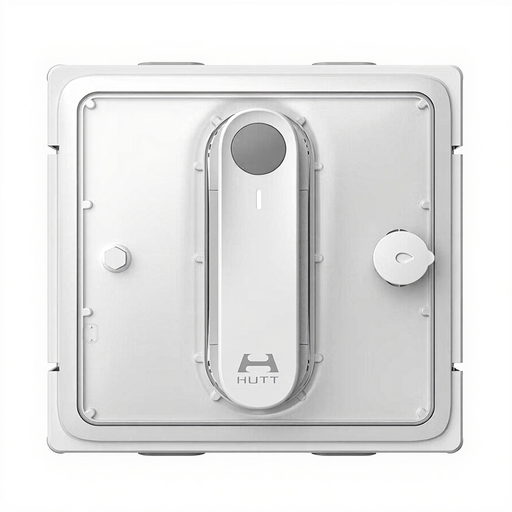
Why this product suits this profile: The W9 combines a 150 ml tank with automatic spraying and a remote control. It’s a good choice for households looking for straightforward operation without an app.
The specifications list edge and obstacle detection, as well as controlled, row-by-row cleaning. Even so, check the safety cord and make sure the glass surface is suitable before every use.
150 ml water tank, automatic spray function and remote control; suitable for glass surfaces with a recommended incline of up to 60°, according to the product information.
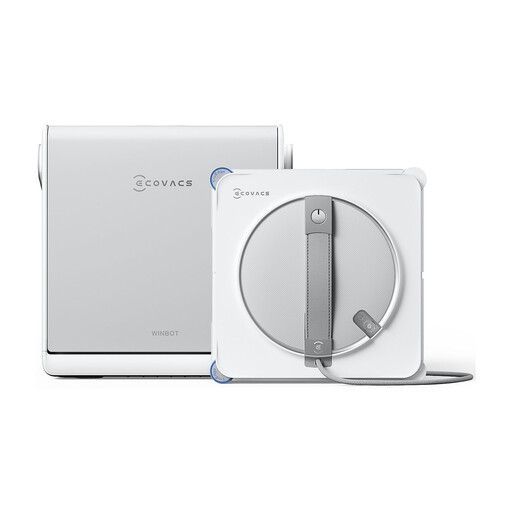
Why this product suits this profile: This model is designed for people with large glass surfaces who need multiple cleaning modes, app control and dedicated edge cleaning.
The technical specifications distinguish between suction power, edge cleaning and backup power protection. This helps prevent a single Pa figure from becoming the sole basis for your buying decision.
Stated suction power of 8,000 Pa, TruEdge edge cleaning up to 1.1 cm, up to 110 minutes’ runtime and a 12-stage safety system, according to the product description.
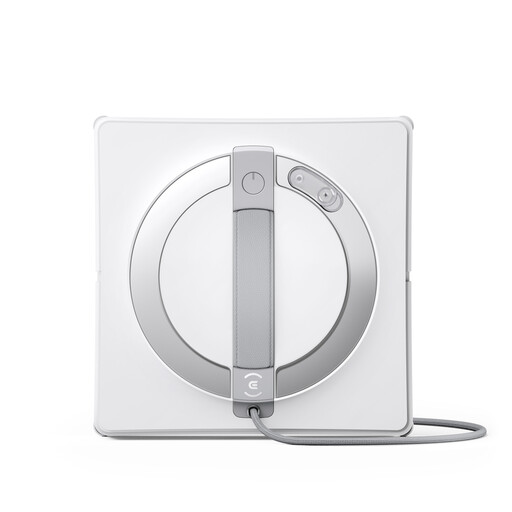
Why this product suits this profile: The multifunctional station makes it easier to transport and store the robot, and to power it while cleaning. This is useful if you regularly clean several windows.
The product information specifies a 5.5 m safety cord and sets out clear requirements for the standing surface, glass and cleaning solution. Check that these conditions suit your home before buying.
Three-nozzle spray head, WIN-SLAM-4.0 route planning, charging while in use and stated suction power of up to 5,500 Pa.
As well as the initial purchase price, you’ll need to budget for cleaning solution, replacement pads and, where necessary, extra safety or power cables. Washable pads should be cleaned according to the instructions after every use and left to dry completely. Dirty pads can leave streaks and affect the robot’s grip.
Before starting:
We’ve put together a complete, regularly updated list of products that fully meet these strict selection criteria and the safety regulations in force in the EU.
Place the robot on a suitable, reasonably clean glass surface, secure the safety cord to a stable point and connect the power supply. Start the cleaning process only once the robot has detected that it is attached securely. Follow the operating instructions for the correct order of steps.
Its lifespan depends on how often it’s used, how well it’s maintained, how often the pads are changed, how it’s stored, and the demands placed on its motors and sensors. There’s no reliable way to give a single lifespan that applies to every model. Cleaning the pads regularly and using suitable cleaning solutions can help maintain the robot’s intended performance.
In addition to the purchase price, you’ll have ongoing costs for cleaning fluid, washable or replacement pads and electricity. If you plan to use the robot frequently, check that spare parts and compatible accessories are available before buying. This gives you a better idea of the total cost than the price of the robot alone.