
Lieferung heute & morgen

Qualitätsgarantie

Willkommens-Angebote freischalten: KOSTENLOSE Lieferung | Bis zu 80 % RABATT | Kostenlose 30-Tage-JoyPlus-Testphase
App herunterladen
A window-cleaning robot can make cleaning large glass surfaces easier. Automatic window cleaners are particularly useful for floor-to-ceiling windows, patio doors and hard-to-reach exterior surfaces. However, devices vary considerably in terms of grip, navigation, spraying, operation and safety features.
Anyone who focuses solely on a high Pa rating or bold advertising claims could end up buying a model that is not practical for their own home. Three common purchasing misconceptions are particularly important:
Suction power is usually specified in Pa, or pascals. It describes the negative pressure that enables a window-cleaning robot to hold on to a smooth surface. However, values such as 2,800 Pa, 5,400 Pa or 8,000 Pa are only meaningfully comparable between devices with similar designs. Sealing lips, sensors, drive system and weight also affect grip.
A window robot with a suction cup or vacuum grip should only be used on load-bearing glass surfaces designed for this purpose. Cracks, flaking, heavy dirt or damp surfaces can compromise secure adhesion. Mirrors and tiles may be suitable depending on the model, but this must be expressly stated in the product description or instruction manual.
A window-cleaning robot with edge detection uses optical sensors or other detection systems to identify the edge of the pane. This is particularly important for frameless windows, patio doors and large glass surfaces. Intelligent route planning can also prevent areas from being cleaned more than once or being missed altogether.
Technical terms such as WIN-SLAM 4.0 or WIN-SLAM 5.0 refer to the respective navigation and route-planning systems used by ECOVACS. However, they do not replace supervision during operation. Before starting, check that the robot can reach the entire glass surface and that cables or furniture will not obstruct its movement.
A safety rope is an essential part of using a robot on high windows. It must be secured to a stable point indoors. In the event of a power cut, a backup battery can keep the robot attached to the pane for a limited time. This is not a licence to leave the device unattended; it simply gives you time to remove it safely and in a controlled manner.
Depending on your household, different operating methods may be suitable:
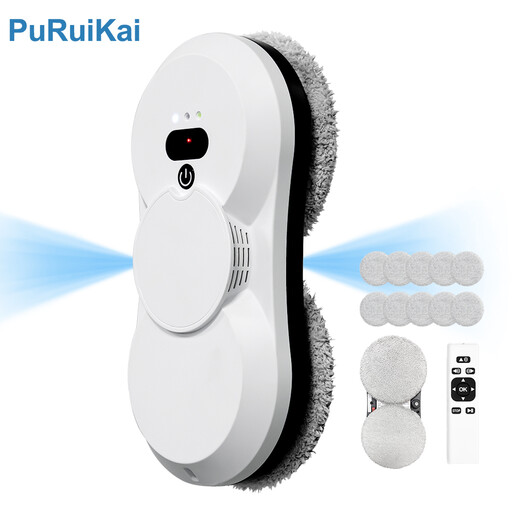
Why this product suits this profile: This model is designed for households that prefer a remote control and simple automatic route planning. The stated water capacity is 50 ml.
The product details specify automatic boundary detection, a safety rope and power-cut protection. Important: the device requires an external power supply during operation.
Remote control, automatic spray function and stated power-cut protection of up to 30 minutes.
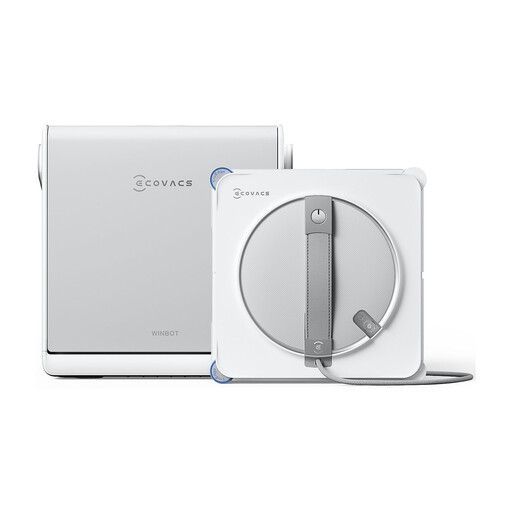
Why this product suits this profile: For large windows, a stated suction power of 8,000 Pa, several cleaning modes and a mobile multifunction station are particularly useful.
TruEdge and optical sensors are designed to handle edge areas. According to the product details, the safety equipment includes 12 protection layers, a safety rope and a backup function for low battery levels.
Up to 110 minutes of operating time, WIN-SLAM 4.0, an 80-ml water tank and cleaning modes for fast, thorough or spot cleaning.
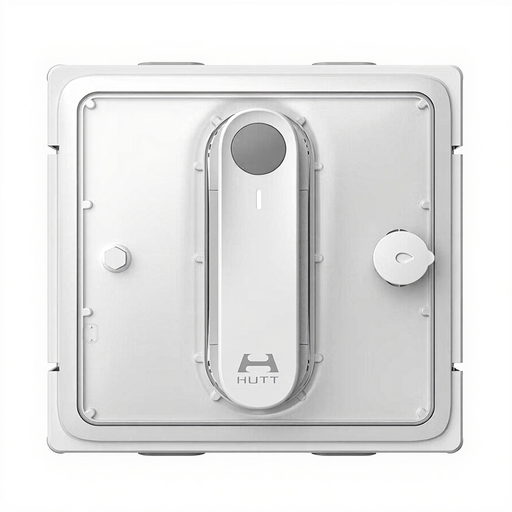
Why this product suits this profile: The W9 is designed for households with glass surfaces where spraying, edge detection and remote control are useful in everyday cleaning.
The product description mentions edge and obstacle detection, along with a controlled return to the starting point. This reduces the effort required, but does not replace securing the safety rope.
150-ml panoramic tank, automatic spray function and remote-control operation.
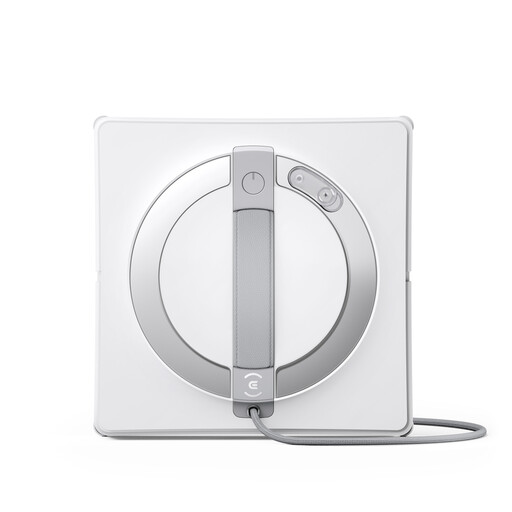
Why this product suits this profile: This model is ideal for users who want to combine app control, a spray function and a mobile station in one device.
The product details list 12 protection levels, WIN-SLAM 4.0 and a combined power and safety cable. Before use, the station and rope must be positioned correctly.
Three-nozzle spray technology, the ECOVACS HOME app and a multifunction station with charging function.
We have put together a complete, regularly updated list of products that fully meet these strict selection criteria and the safety regulations applicable in the EU.
Before every cleaning session, check the pane for cracks, loose coatings and heavy dirt. Then attach the cleaning cloth correctly and, where applicable, fill the tank with the recommended cleaning solution. Too much liquid can cause streaks or grip problems.
High windows require additional precautions:
When using the robot on mirrors, tiles or roof windows, follow the relevant manufacturer approval. According to the product details, for example, the HUTT DDC55 Pro is designed for glass, mirrors and tiles, but only up to a recommended angle of 60 degrees. Traditional sloping roof windows are therefore not automatically suitable.
Its service life depends on how often it is used, how well it is maintained, the cloths, the battery and the operating conditions. After every use, wash or replace the cleaning pads and clean the sensors and contact surfaces according to the instructions. A device with a backup battery must be charged regularly, even if it is only used occasionally.
That depends on the model. Some devices have a battery for operation, while others require a mains cable at all times. With corded devices, the battery often serves only as protection in the event of a power cut. Product descriptions such as “cordless” should therefore be checked carefully against the instruction manual and the intended operating mode.
In addition to electricity, you may need to pay for cleaning solution, washable cloths and replacement parts where necessary. The exact ongoing costs depend on the window area, cleaning frequency and recommended accessories. Washable cleaning cloths can reduce regular consumption, but they must be cared for hygienically and in a way that is suitable for the material.