
Lieferung heute & morgen

Qualitätsgarantie

Willkommens-Angebote freischalten: KOSTENLOSE Lieferung | Bis zu 80 % RABATT | Kostenlose 30-Tage-JoyPlus-Testphase
App herunterladen
High exterior windows, large glass surfaces and hard-to-reach balcony windows can be cleaned automatically with a window cleaning robot. These devices use suction to adhere to the glass, move a cleaning cloth across the surface and, depending on the model, detect edges or obstacles. However, a window cleaning robot does not replace checking the surface or supervising the device while it is operating.
Anyone who focuses solely on a high Pa rating or an advertised spray function may overlook important limitations. The following points will help you put marketing claims into perspective and choose a suitable window robot for your home.
Suction power is often prominently advertised, for example as 3,800, 6,500 or 8,000 Pa. However, this figure alone does not indicate how securely a device will adhere to every surface. Dust, grease, moisture, joints, damaged glass or uneven areas can all affect adhesion.
A window robot with a safety cable should therefore always be secured mechanically as well. A backup battery is not a substitute for the safety cable either. Depending on the model, it will keep the device on the pane for only a limited time in the event of a power cut.
A window cleaning robot with a spray function can apply cleaning solution or liquid while operating. However, many devices have a tank capacity of only around 50 to 150 ml. Heavily soiled windows may need to be pre-cleaned. Using too much liquid can also affect the adhesion of the tracks.
The ability to control the dosage, the cleaning-cloth attachment and the availability of suitable replacement pads are therefore important. An automatic window cleaner can remove dust and light dirt, but dried-on residue may occasionally still require manual finishing.
Edge detection can work optically, through changes in pressure or using several sensors. Even so, buyers should check whether the model is designed for frameless panes, narrow windows, mirrors or tiles. Window handles, glazing bars and protruding frames can affect navigation.
The Pa rating is a technical comparison figure within the respective product data. In practice, the following also matter:
Many models must remain connected to the mains during cleaning. The integrated battery is then primarily a safety reserve. Before first use, the cable should be attached to a secure point indoors.
A glass cleaning robot with structured route planning works more systematically than a device controlled solely by remote control. Systems such as WIN-SLAM plan movements in straight lines or several patterns, depending on the model. The following details are also relevant when choosing a device:
According to the product description, TruEdge on the ECOVACS WINBOT W2S OMNI refers to a special edge-cleaning function. It is specified as offering precision down to 1.1 cm, as well as several cleaning modes.
For small or narrow panes, a compact model is often more practical than a heavy device. On large window surfaces, runtime, cable length and cleaning coverage are more important. Ongoing costs should also be considered when making your decision:
Window cleaning robots should never be used on damaged, cracked or excessively wet glass. The instructions provided by the relevant manufacturer take precedence.
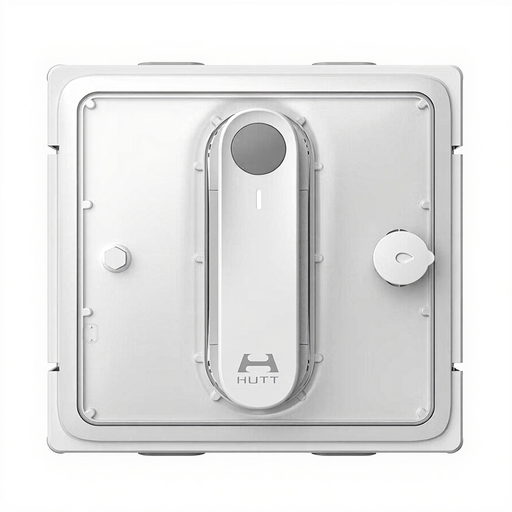
Why this product suits this profile: The W9 combines a 150-ml tank, an automatic spray function and a remote control. This makes it suitable for households looking for a straightforward introduction to cleaning smooth glass surfaces.
The tank capacity is clearly stated. Buyers should still check the cleaning area, power connection and intended glass type before use.
150-ml tank, edge and obstacle detection, plus return to the starting point according to the product description.
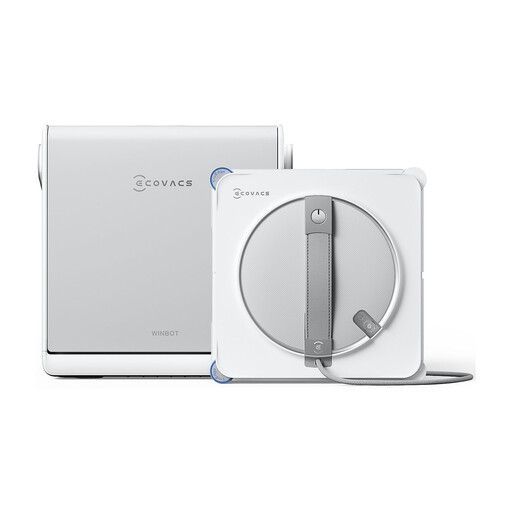
Why this product suits this profile: This model is aimed at households with larger window surfaces and buyers who value several cleaning modes and a mobile multifunction station.
The specifications state 8,000 Pa, twelve safety levels, automatic pressure compensation and up to 110 minutes of runtime. The safety cable remains essential, however.
TruEdge edge cleaning, WIN-SLAM 4.0, an 80-ml tank and a stated cleaning coverage of up to 65 m² in fast mode.
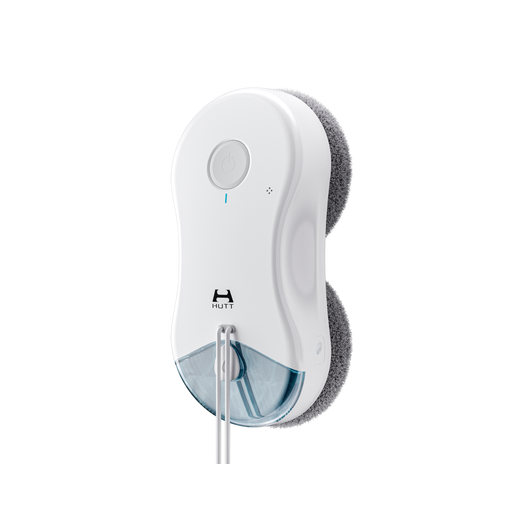
Why this product suits this profile: The DDC55 Pro is designed for glass, mirrors and tiles and, according to the description, does not require an app. This is practical when several smooth surfaces need to be cleaned regularly.
It can be operated on the device or via remote control. With an 80-ml tank and 30 minutes of backup power protection, its operating limits are easy to plan for in advance.
5,400 Pa suction power, edge cleaning, a 4.5-m safety cable and a stated cleaning performance of under three minutes per m².

Why this product suits this profile: Its compact dimensions of 21.5 × 21.5 cm and app control make it suitable for narrower windows, mirrors and hard-to-reach glass surfaces.
The compact design reduces space issues around handles or narrow frames. Before buying, the minimum working area should be compared with your own windows.
7,500 Pa suction power, ultrasonic twin nozzle, WIN-SLAM 5.0 route planning and app control according to the product data.
We have put together a complete, regularly updated list of products that fully meet these strict selection criteria and the safety regulations applicable in the EU.
Before every use, check the cloth, tracks, cable and safety line. The pane must be suitable for the device, clean and free from cracks. When cleaning exterior windows, take the weather, moisture and temperature into account. Children and pets should keep their distance while cleaning is in progress.
A window cleaning robot cannot operate completely unattended: starting the device, securing it and monitoring the cleaning process remain important tasks. Cleaning cloths should be washed or replaced after every use in accordance with the manufacturer’s instructions, so that dirt is not spread across the next surface.
That depends on the model. Some devices have a multifunction station or a battery for limited cordless operation. Many other models require a continuous power supply during cleaning. The integrated battery often serves only as backup power protection. The product description and the supplied cable system should be checked before buying.
It is not possible to give a standard service life in general terms. It depends, among other things, on how frequently the device is used, how well it is maintained, the condition of the cleaning cloths and how it is stored. Regularly cleaning the contact surfaces, storing the device properly and using a suitable cleaning solution can reduce maintenance requirements. Wear parts should be replaced according to the manufacturer’s instructions.
In addition to the purchase price, there are costs for electricity, cleaning solution and replacement pads. Models with small tanks generally use a limited amount of liquid per cleaning cycle, although consumption can still increase for frequently used devices. Before buying, it is worth checking the contents, compatible accessories and the prices of suitable cleaning cloths.