
Lieferung heute & morgen

Qualitätsgarantie

Willkommens-Angebote freischalten: KOSTENLOSE Lieferung | Bis zu 80 % RABATT | Kostenlose 30-Tage-JoyPlus-Testphase
App herunterladen
A window cleaning robot can clean large windows, patio doors, mirrors and smooth tiled surfaces on its own. It’s a useful option for households with hard-to-reach windows, as you can get the job done without using a ladder. However, an automatic window cleaner still needs to be checked before use: the type of glass, power supply, safety cable and suitable cleaning pads all have a major bearing on whether it’s practical for everyday use.
A stated suction power of, for example, 5,400, 6,500 or 8,000 Pa describes the holding force under specific conditions. It doesn’t automatically guarantee a secure grip on every surface. Dust, grease, moisture, damaged seals and uneven surfaces can all affect the grip.
That’s why you should also look for:
Some devices work with a docking station and built-in battery, while others need to stay connected to the mains during use. On certain models, the battery is only there to keep the device attached to the glass temporarily in the event of a power cut. Buyers should therefore distinguish between battery-powered operation, mains operation and power-failure protection.
A glass cleaning robot can detect the edge and move along the frame. However, its actual reach depends on its design, cleaning cloth and sensors. Narrow frames, handles, glazing bars or heavily textured glass may need a final wipe by hand. For frameless windows, sensors specifically designed for this type of glass are particularly important.
A clearly stated suction power is useful for tall or large windows. Product specifications may list figures such as 5,400 Pa, 6,500 Pa, 7,500 Pa or 8,000 Pa. However, always consider this figure alongside the safety features.
Look for a safety cable of sufficient length, a charged backup battery and confirmation from the manufacturer that the glass is suitable. Damaged, cracked or very uneven surfaces are generally unsuitable for a window cleaning robot. Even a window robot with high suction power still needs a mechanical safety restraint.
Basic models follow set patterns. More advanced devices use optical edge detection or systems such as WIN-SLAM to plan their route. Systematic navigation can be helpful for large windows, while compact dimensions are more important for smaller or awkwardly shaped surfaces.
Before buying, check:
A window cleaning robot with a spray function dispenses water or a suitable cleaning solution as it moves. This can be handy for fingerprints and light dirt. However, too much liquid can affect grip and movement. If there’s a lot of dust, it’s often best to dry-dust the surface first.
Check the tank capacity, cleaning solution compatibility and whether the pads are washable. A larger tank is particularly useful if you have lots of windows or large panes, but it may add to the weight and cleaning effort.
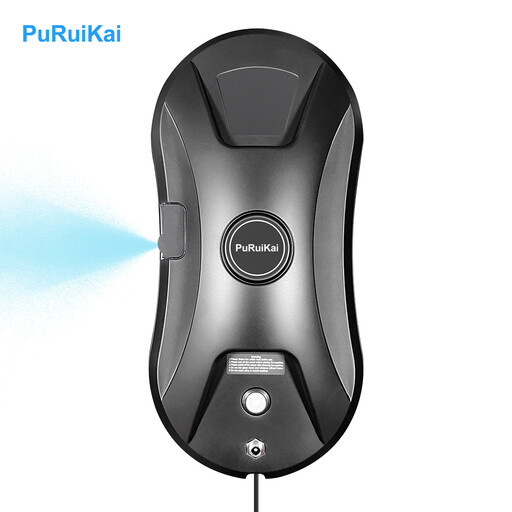
Why this product suits this type of buyer: Its stated suction power of 5,600 Pa and design for smooth glass surfaces make it a straightforward choice for regular household cleaning.
The product name explicitly states that it’s intended for smooth glass surfaces. Even so, check the safety cable, power supply and specific surface suitability before buying.
5,600 Pa as stated in the product specifications; designed for smooth glass surfaces.
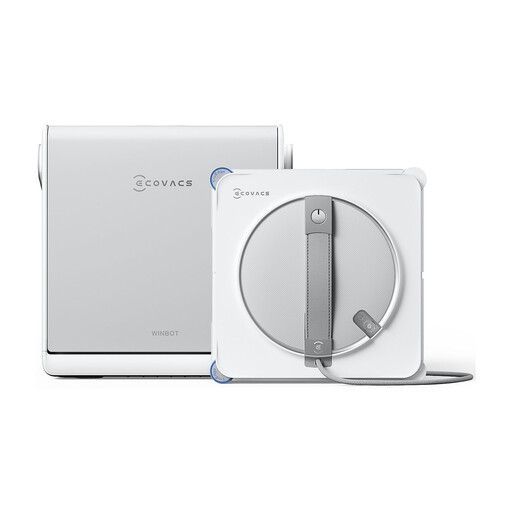
Why this product suits this type of buyer: This model combines 8,000 Pa suction power, WIN-SLAM 4.0, TruEdge edge cleaning, several cleaning modes and a multifunction station.
The specifications cover more than suction power, including navigation, edge control, safety features and a runtime of up to 110 minutes.
8,000 Pa; up to 110 minutes’ runtime; 12-stage safety system according to the product specifications.
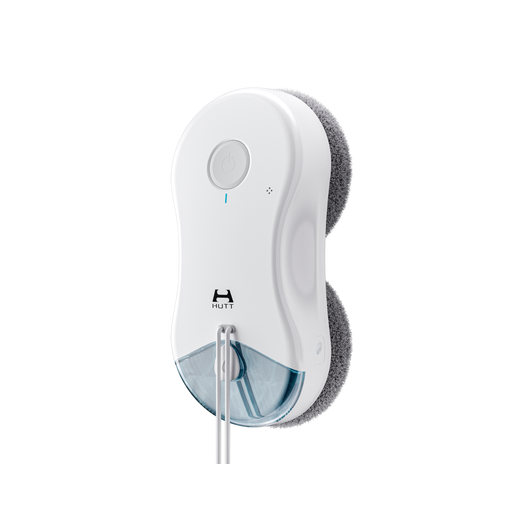
Why this product suits this type of buyer: With 5,400 Pa suction power, an 80-ml water tank, remote control and suitability for glass, mirrors and tiles, this model is designed for a range of smooth surfaces.
You can operate it on the device itself or with the remote, so there’s no need to rely on an app. The recommended maximum operating angle of 60° limits its use on sloping roof surfaces.
80-ml tank; remote control; stated to be suitable for glass, mirrors and tiles.
We’ve put together a complete, regularly updated list of products that meet these strict selection criteria and fully comply with the safety regulations in force in the EU.
Before using a window cleaning robot for the first time, read the instructions in full. Attach the safety cable to a secure point and check the cable, pad and glass surface. Don’t use the automatic window cleaner on cracked, wet or very greasy glass. Keep children and pets at a safe distance while it’s operating.
After each cleaning session, we recommend that you:
Place the device on a suitable, clean glass surface, then connect it to the power supply and attach the safety cable. Start cleaning only after checking that it’s secure and confirming that it’s ready to go. The exact sequence depends on the model.
Its lifespan depends on how often you use it, how well you maintain it, the cleaning cloths, strain on the motor and how it’s stored. There’s no reliable one-size-fits-all estimate. Regularly checking the cable, battery, seals and sensors can help you spot maintenance needs early.
In addition to the purchase price, you’ll need to budget for electricity, cleaning solution and replacement pads. Models with a spray function need a suitable liquid; some manufacturers specify a particular solution. If you have large windows, check how many cloths are included and whether replacement parts are available.