
Lieferung heute & morgen

Qualitätsgarantie

Willkommens-Angebote freischalten: KOSTENLOSE Lieferung | Bis zu 80 % RABATT | Kostenlose 30-Tage-JoyPlus-Testphase
App herunterladen
Large windows, floor-to-ceiling patio doors and hard-to-reach exterior surfaces can be cleaned with a window-cleaning robot, without constantly having to reposition a ladder. However, devices vary considerably in terms of navigation, spray functions, safety features and suitable glass surfaces. A low price or a high Pa rating alone is therefore not enough to make an informed choice.
Suction power is usually specified in Pa. It describes the negative pressure that allows the robot to adhere to the glass pane. A higher figure can offer advantages under suitable conditions, but it does not replace sensors or a correctly attached safety rope. Dust, grease, moisture, damaged glass or small irregularities can affect adhesion.
A window-cleaning robot should therefore always be used with a safety rope and power supply in accordance with the operating instructions. The fall-protection system is an additional physical safeguard, not permission to use the device unattended.
Many models are designed for smooth glass surfaces. Frameless windows, narrow panes, shower glass, mirrors and tiles all present different requirements. Cracked, heavily uneven or textured glass may be unsuitable. For exterior windows, wind, rain and low temperatures may also restrict use.
If you are looking for a window-cleaning robot for high windows, check the minimum size, maximum cable length and permitted angle of inclination before buying. Roof surfaces and sloping conservatory roofs often have additional restrictions.
A window-cleaning robot with a spray function distributes cleaning solution during operation. This can make preparation easier, but it will not automatically remove heavy soiling. Coarse sand should be removed beforehand, otherwise it may be dragged across the pane. The cleaning cloths must also be washed or replaced regularly to prevent dirt from being spread around.
Do not compare only the Pa figure; consider the entire safety system. This includes:
According to the manufacturers’ specifications, the models provided range from 5,400 to 8,000 Pa, for example. These figures cannot be directly compared across different designs.
Depending on the model, an automatic window cleaner follows N-shaped, Z-shaped or combined paths. What matters is whether the device covers the surface systematically and returns to its starting point. For frames and corners, edge-cleaning functions, optical sensors or special cleaning cloths are important.
A window-cleaning robot for frameless windows needs reliable detection of the glass edge. Also check how much distance from frames or corners remains according to the product description. With many devices, completely eliminating the need for manual finishing cannot be guaranteed.
Some models are operated using a remote control and buttons on the device, while others also offer app control. App control can make it easier to select cleaning modes and monitor the device, but it is not essential for every household. If you prefer straightforward operation, you can choose a model without an app.
Pay attention to the stated noise level, tank capacity and availability of suitable cleaning cloths. A glass-cleaning robot with a spray function incurs ongoing costs for cleaning solution and replacement pads. Only use liquids approved by the manufacturer.
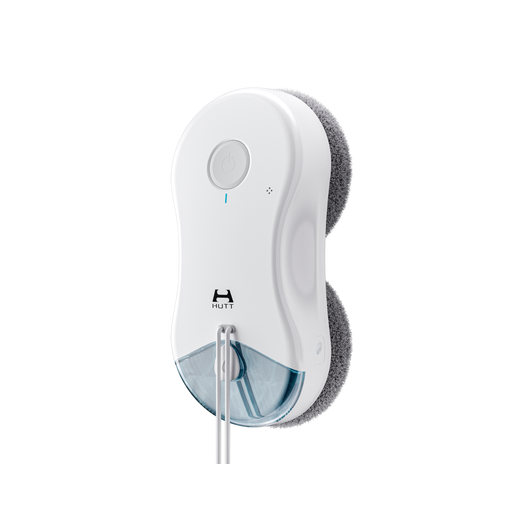
Why this product suits this profile: It can be operated on the device itself or with the remote control. The model is suitable for households that do not need an app and want to clean glass, mirrors or tiles.
The product data specifies a 4.5-m safety rope, emergency power protection for up to 30 minutes and suitability from 30 × 30 cm. The maximum recommended inclination is 60 degrees.
Specified suction power of 5,400 Pa, an 80-ml water tank and edge cleaning.
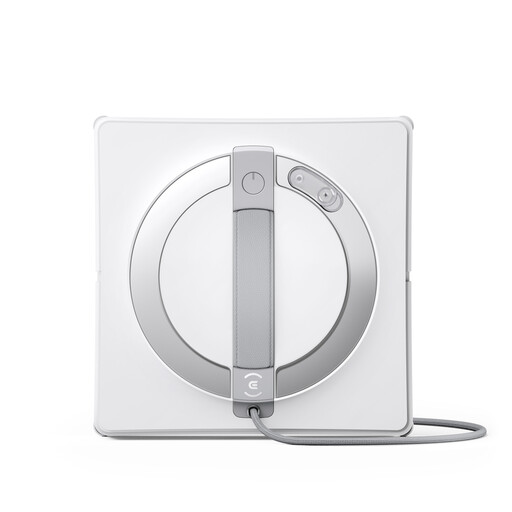
Why this product suits this profile: The multifunctional station combines storage and operation. App control and three-nozzle spray technology are ideal for users with larger glass surfaces and several cleaning modes.
According to the product specifications, the device is intended only for suitable, undamaged glass surfaces. The 5.5-m safety rope must be attached to a secure anchor point indoors.
12-stage safety system, app control and charging during operation via the station.
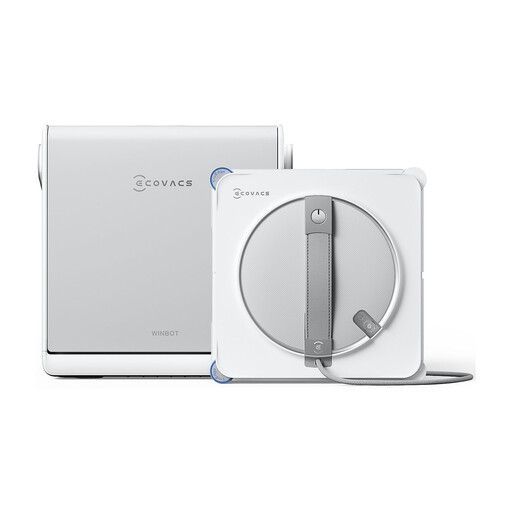
Why this product suits this profile: For several large windows, balcony doors and patio doors, the model offers various cleaning programmes and a stated runtime of up to 110 minutes.
TruEdge edge cleaning, optical edge detection and a 12-stage safety system address common gaps around frames and pane edges.
Specified suction power of 8,000 Pa, an 80-ml tank, multifunctional station and several cleaning modes.
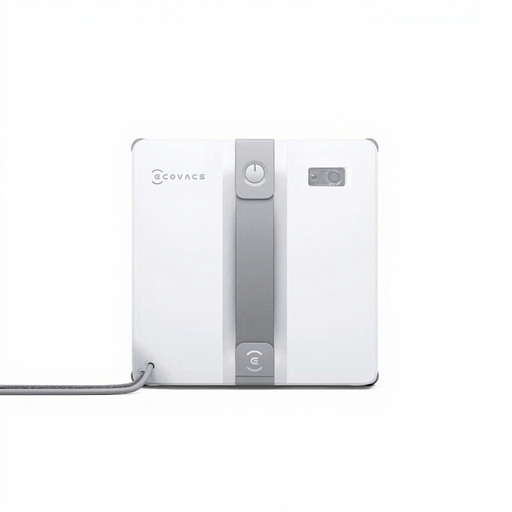
Why this product suits this profile: According to the product description, the casing is 55 mm high and designed for narrow windows and areas with limited space.
Before buying, check the actual pane dimensions and any obstacles such as handles. The model specifies sensors for frameless edges and a safety rope.
Specified suction power of 7,500 Pa, ultrasonic spray function and app control.
We have put together a complete, regularly updated list of products that fully meet these strict selection criteria and the safety regulations applicable in the EU.
That depends on the model. Edge detection and sensors for the transition to the exposed glass edge are crucial. Also check the minimum size, type of glass and information about use on frameless surfaces. Even with suitable devices, a safety rope and supervision are still required.
It is not possible to give a reliable fixed lifespan. Among other factors, it depends on how frequently the device is used, how well the cleaning cloths are cared for, the condition of the seals, the battery and the motor. Cleaning the pads regularly, storing the device correctly and using suitable cleaning solutions can help limit wear and tear.
In addition to the purchase price, you will incur costs for cleaning solution, replacement pads and, where applicable, accessories. Devices with a larger tank or an included station may be more practical for frequent use. Before buying, it is worth checking the contents of the package, compatible consumables and availability from the retailer.