
Lieferung heute & morgen

Qualitätsgarantie

Willkommens-Angebote freischalten: KOSTENLOSE Lieferung | Bis zu 80 % RABATT | Kostenlose 30-Tage-JoyPlus-Testphase
App herunterladen
A window cleaning robot can make cleaning glass surfaces easier – especially large windows, balcony doors or hard-to-reach exterior surfaces. However, window cleaning robots vary considerably in navigation, spray function, power supply and safety features. If you focus only on a high Pa rating or bold advertising claims, you may end up buying a device that cannot be used reliably in your own home.
A window robot with suction power requires a suitable, smooth glass surface. Figures such as 5,400, 7,500 or 8,000 Pa describe the device’s maximum suction power, but do not by themselves indicate how securely it will adhere in all conditions. Dust, grease, moisture, damaged glass or uneven surfaces can affect adhesion.
A window robot with a safety rope should therefore always be secured mechanically as well. The rope must be attached to a stable, suitable fixing point indoors. The power supply must not be interrupted during operation unless the manufacturer specifies fully cordless use.
An automatic window cleaner can plan routes, detect edges and perform specific cleaning modes. Continuous supervision by an adult is still advisable. Before every use, check the power cable, safety rope, cleaning cloth and adhesion.
This is particularly important with window cleaning robots for high windows: a device does not automatically replace every safety measure. The surface must be approved for use by the manufacturer. Cracked, damaged or non-smooth glass is generally unsuitable.
A window robot with a spray function can apply cleaning solution precisely where it is needed. However, heavily soiled surfaces, greasy residue or limescale may require a preliminary cleaning step. Too much liquid can also affect travel marks or adhesion. Tank capacity and the number of nozzles are therefore not the only things that matter. Dosage, cloth quality and the suitability of the cleaning solution are equally important.
Compare the stated suction power only between similar types of device. More important than a single maximum figure are:
With corded devices, the integrated battery is often intended only for short-term safety protection, not for normal cordless operation. This distinction should be checked before purchase.
A glass cleaning robot should detect the edges of the pane and plan its route systematically. Systems such as WIN-SLAM 4.0 or WIN-SLAM 5.0 are used for route planning on selected ECOVACS models. Depending on the model, modes such as quick, deep, spot, zone or edge cleaning may be available.
For windows with frames, mirrors, shower glass or smooth tiles, it is important to check whether the manufacturer explicitly states that these surfaces are suitable. The minimum working area may also be relevant. For example, the HUTT 10 is specified for a minimum area of 30 × 30 cm.
Many devices have a tank capacity of between 50 and 150 ml. A larger tank can be practical when cleaning several windows, but does not automatically make the device more efficient. Pay attention to:
Before use, the cleaning cloth should be clean, correctly attached and suitable for the glass surface. With heavily soiled panes, wiping them first can prevent larger particles from being spread across the entire surface.

Why this product suits the profile: This compact model is suitable for small windows, mirrors, shower glass and other smooth surfaces. It can be controlled on the device or by remote control.
The specifications state a minimum working area of 30 × 30 cm and a recommended maximum incline of 60 degrees. This makes it easier to assess whether the device is suitable before buying.
Up to 6,500 Pa suction power, an 80-ml water tank, 18 sensors and a stated cleaning performance of under three minutes per square metre.
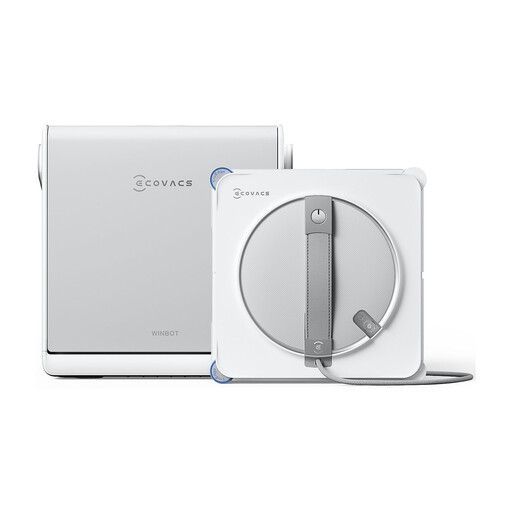
Why this product suits the profile: This model combines app control, several cleaning modes and a multifunction station for households with frequent or extensive cleaning needs.
The 12-stage protection system, optical edge detection and a safety cable are explicitly listed. However, the safety device must still be attached before every use.
8,000 Pa suction power, TruEdge edge cleaning, WIN-SLAM 4.0, up to 110 minutes of runtime and several selectable cleaning modes.
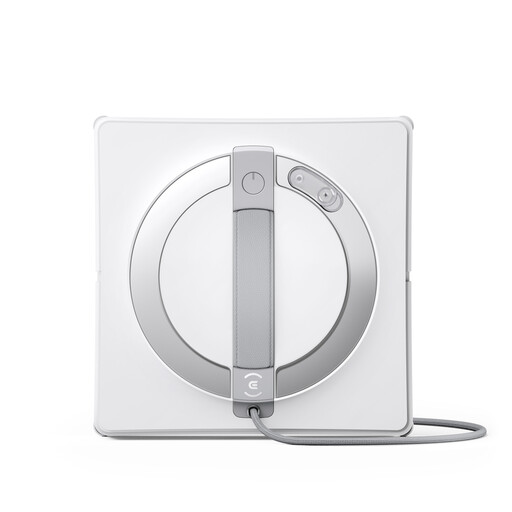
Why this product suits the profile: The mobile multifunction station is ideal for users who want to clean windows in different locations and store accessories neatly in one place.
The product specifications state that it has an integrated 5.5-m safety rope, a station with an 800-N suction cup and twelve protection stages. The specified glass and operating conditions remain decisive.
Three-nozzle spray atomisation, WIN-SLAM 4.0 and a station that combines charging, control and storage.
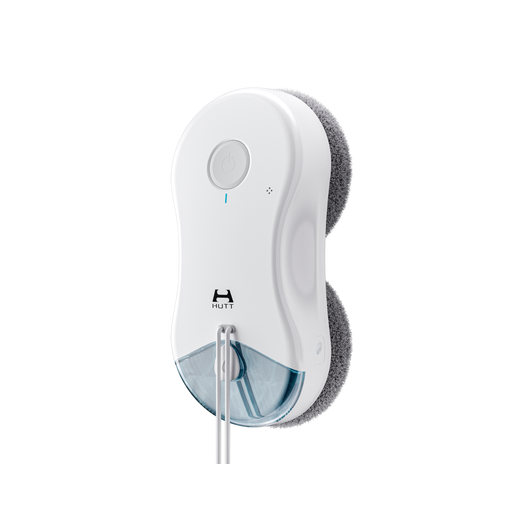
Why this product suits the profile: This model can be controlled on the device or by remote control and, according to the product specifications, is designed for glass, mirrors and tiles.
The stated maximum recommended incline of 60 degrees limits where it can be used and makes clear that sloping roof windows are not automatically suitable.
5,400 Pa suction power, an 80-ml water tank, edge cleaning and a 4.5 m safety rope.
We have put together a complete, regularly updated list of products that fully meet these strict selection criteria and the safety regulations applicable in the EU.
Before using the device for the first time, remove coarse dirt from the window, attach the cleaning cloth correctly and follow the instructions for use. With exterior windows, take weather conditions, moisture and temperature into account. Cleaning agents should only be used if approved by the manufacturer.
Ongoing costs include replacement cleaning cloths, suitable cleaning solution and, where applicable, electricity consumption. Washable cloths reduce the need for accessories, but must be cleaned regularly and checked for signs of wear. A longer battery runtime is particularly useful when cleaning numerous or large panes; it does not replace checking the relevant safety function.
The device is placed on a suitable, smooth glass surface and connected to the power cable and safety rope according to the manufacturer’s instructions. The rope must be secured to a stable fixing point. Before starting, check the adhesion, cable and cloth. An adult should remain nearby while the device is operating.
Its service life depends on how often it is used, maintenance, cloth replacement, storage and the strain placed on the cable, sensors and seals. Manufacturer runtime figures generally refer to a single battery charge or emergency power protection, not the overall product lifespan. Regular cleaning and dry storage can help reduce wear.
In addition to the purchase price, there are costs for electricity, cleaning solution and replacement or washable cloths. With devices featuring an automatic spray function, liquid consumption may be higher or lower than with manual dosing. Before choosing a model, check the tank capacity, supplied accessories and recommended replacement parts.