
Lieferung heute & morgen

Qualitätsgarantie

Willkommens-Angebote freischalten: KOSTENLOSE Lieferung | Bis zu 80 % RABATT | Kostenlose 30-Tage-JoyPlus-Testphase
App herunterladen
Large windows, conservatories, glass roofs or high shop windows can be cleaned more conveniently with a window-cleaning robot than with a ladder, bucket and telescopic pole. However, the right model will not automatically eliminate every need for manual finishing. Key factors include grip on the surface, edge navigation and the actual scope of cleaning.
Product specifications also vary considerably. A high Pa value alone, for example, does not indicate how well a device copes with frames, light dirt or textured glass surfaces. Our selection helps you distinguish advertising claims from features that really matter in practice.
The figure given in pascals, or Pa for short, describes negative pressure or suction power. It is relevant to adhesion on smooth glass, but does not guarantee use on every surface. Damaged panes, heavily textured tiles, grout lines or uneven materials can affect the grip.
A window-cleaning robot with powerful suction should therefore only be used on the smooth surfaces specified by the supplier. Before operation, keep the glass, pads and suction area clean.
Many window-cleaning robots can travel up to the frame or detect edges. Tight corners, silicone seals and stubborn deposits may still require manual checking. So check whether the supplier specifically mentions edge detection, edge cleaning or a special brush design.
A window-cleaning robot with a spray function distributes cleaning fluid during operation. This can make preparation easier, but does not replace choosing a suitable cleaning product or cleaning the wiping pads regularly. A window robot with app control offers additional operating options, but is not essential if a remote control or buttons on the device are sufficient.
For vertical cleaning, the device should have a safety cable and a suitable power supply. Check:
The safety cable must be attached to a stable, suitable point. Windows with cracks or damaged surfaces are not intended for operation. For outside windows, you should also take weather conditions and the operating instructions into account.
Depending on the model, an automatic window cleaner follows set paths, detects frames or uses software-assisted route planning. Systematic coverage is useful for large windows. Look for information on:
Sloping roof windows are not automatically included. The HUTT DDC55 Pro, for example, specifies a maximum recommended angle of 60 degrees; according to the product information, traditional sloping roof windows are excluded.
A larger tank can reduce the number of refills when cleaning several windows. A small tank, on the other hand, may be sufficient for individual mirrors, doors or smaller glass surfaces. You should also allow for ongoing costs for:
The pads should be checked after every use and cleaned according to the manufacturer’s instructions. Dirty pads can spread streaks instead of cleaning the surface evenly.
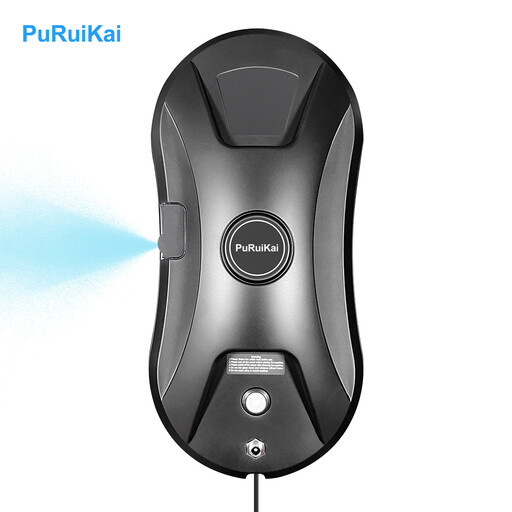
Why this product suits this profile: Its stated suction power of 5,600 Pa and focus on smooth glass surfaces provide a clearly defined basis for cleaning individual windows, doors or mirrors.
The product description explicitly limits its suitability to smooth glass surfaces. This means it does not make a blanket claim that it can be used on textured or damaged surfaces.
Stated suction power of 5,600 Pa; designed for smooth glass surfaces.
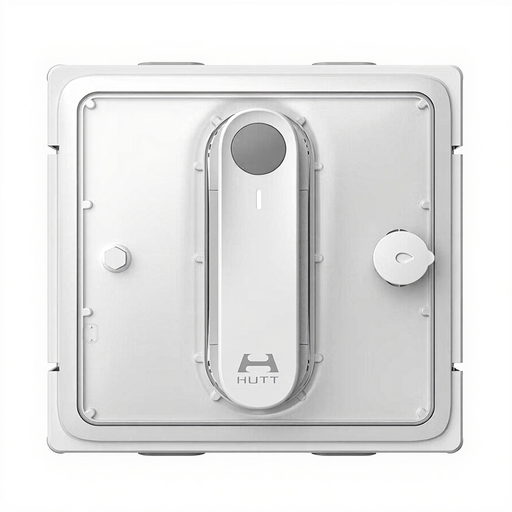
Why this product suits this profile: This model combines a 150ml tank, spray function, edge and obstacle detection, and remote-control operation. It is well suited to homes or offices with several smooth glass surfaces.
The product information specifically mentions edge and obstacle detection as well as returning to the starting point, rather than simply making a general claim about automatic cleaning.
Stated suction power of 3,800 Pa; 150ml panoramic tank and remote control.
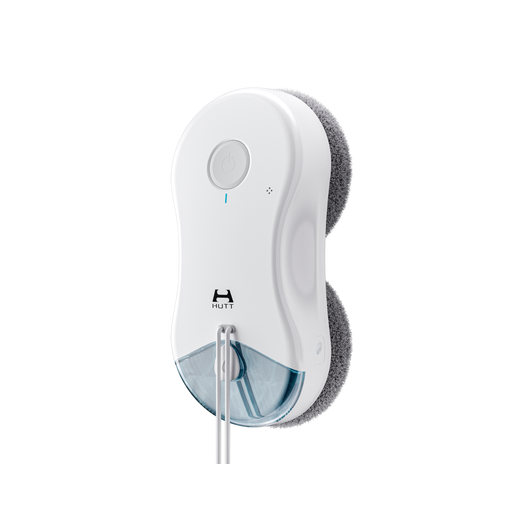
Why this product suits this profile: According to the product information, this device is designed for glass, mirrors and tiles, and can be controlled on the device or by remote control. The recommended minimum surface area is 30 × 30 cm.
The operating limits are clearly specified: a maximum recommended angle of 60 degrees, no traditional sloping roof windows and a defined minimum working area.
Stated suction power of up to 5,400 Pa; 80ml water tank; 4.5m safety cable; stated cleaning time of under 3 minutes per square metre.

Why this product suits this profile: App control, ultrasonic dual-nozzle spraying and the stated WIN-SLAM-5.0 navigation are aimed at users who want to manage operation and monitoring digitally.
The product description lists app control, the spray system, edge cleaning and safety information separately. It is also listed as “Like New”, which should be taken into account before buying.
Stated suction power of 7,500 Pa; 60ml tank; app control; ultrasonic dual-nozzle spraying.
Before using the device for the first time, read the operating instructions in full and check the surface. Remove coarse dust, attach the safety cable and connect the power supply before starting the robot on the pane. Children and pets should keep their distance while it is operating.
Suitable pads that are not excessively wet are important for an even result. First test the device on an easily accessible smooth surface. With frames, grout lines, mirror edges or tiles, check whether the model is approved for that application. A robot for glass, mirrors and tiles is not automatically suitable for every grout width or surface texture.
We have put together a complete, regularly updated list of products that fully meet these strict selection criteria and the safety regulations applicable in the EU.
First, fit the wiping pads and, where applicable, add cleaning fluid. Then attach the safety cable, connect the power cable and place the device on a suitable, clean glass surface. Only then start the device using the button, remote control or app. The exact steps vary depending on the model.
Its service life depends, among other things, on how often it is used, maintenance, pad replacement and storage. Clean the pads and suction surfaces regularly, avoid getting liquid on electrical components and store the device in a dry place. Without specific information from the manufacturer, it is not possible to state a binding service life.
In addition to electricity consumption, the main costs are for cleaning fluid and replacement pads. If you use the device frequently, check whether suitable pads and accessories are available separately. A larger tank can reduce interruptions when cleaning many windows, but it does not automatically lower all operating costs.