
Lieferung heute & morgen

Qualitätsgarantie

Willkommens-Angebote freischalten: KOSTENLOSE Lieferung | Bis zu 80 % RABATT | Kostenlose 30-Tage-JoyPlus-Testphase
App herunterladen
Poor visibility in rain or snow is not just an annoyance; it's a significant safety risk. Functional windscreen wipers are therefore essential. However, the market is overwhelming and filled with products that over-promise and under-deliver. Many drivers choose the wrong model, leading to frustration with poor wiping performance or a short lifespan. This guide will show you what to look for to find the right wiper blades for your vehicle and how to avoid common purchasing pitfalls.
Before we delve into the key features, let's look at the three most common problems that lead to frustration and unnecessary expense.
To avoid these problems, you should check three key parameters before making a purchase. These will ensure you get a durable and effective wiper blade set.
The most important prerequisite is a perfect fit. Check the required lengths for the driver and passenger sides for your vehicle model and year of manufacture, as they are often different. Even more critical is the wiper arm's connector type. Common systems include:
The safest method is to verify compatibility directly using your vehicle's details (make, model, year). Products marked as "OE-Fit" (Original Equipment Fit) typically offer a perfect fit without needing additional adapters.
There are two main types of construction:
For a long service life and clean wiping performance at all temperatures, a wiper rubber made from high-grade natural rubber with a special coating (e.g., graphite) is recommended. This material remains flexible and resilient.
The shape is crucial, especially for beam wipers. A well-designed, integrated spoiler uses the airflow to press the wiper blade firmly against the windscreen. This prevents the wiper from lifting and ensures a clear field of vision, even at high speeds. Look for products whose design is explicitly engineered to reduce lift and wind noise.
Based on the criteria mentioned, we have compiled a selection of products for different user profiles and applications.

Why it's a good fit: This set is designed for some of the best-selling vehicle models in Germany. It offers a direct replacement solution for drivers who want reliable performance without a complex installation.
The "Universal Adapter" trap is bypassed by a vehicle-specific connector that allows for direct and stable installation on the original wiper arm.
Precision fit and simple installation in seconds without any additional tools or adapters.

Why it's a good fit: Engineered for the specific requirements of Mercedes-Benz platforms. This set ensures that the wiping performance and aerodynamics meet the high standards of the vehicle manufacturer.
The aerodynamic design prevents lift at high speeds. The high-grade natural rubber material prevents premature wear and juddering noise.
Precise vehicle compatibility for select wipers for Mercedes models and a wiping performance designed for high speeds.
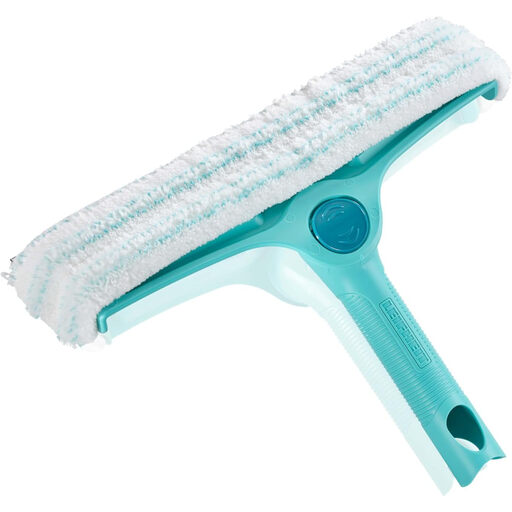
Why it's a good fit: For anyone who wants a streak-free shine not just on their car, but also around the house. This tool combines multiple cleaning steps into one device.
Instead of using an unsuitable car accessory, this specialised window cleaner offers thoughtful features like an all-round cover for simultaneously cleaning frames and corners.
Efficient 4-in-1 function and compatibility with telescopic poles (Click-System) for easily cleaning high windows or conservatories.
We have compiled a complete, up-to-date list of products that fully meet these strict selection criteria and German safety regulations.
A general recommendation is to replace wiper blades every 12 to 24 months. Clear signs that a change is needed include streaking, juddering noises, or visible cracks and porous areas on the wiper rubber. Strong sun exposure in summer and ice in winter accelerate wear and tear.
Yes, changing windscreen wipers is a simple process on most vehicles and requires no special tools. Lift the wiper arm away from the windscreen. Find the release mechanism on the connector, press it, and slide the old wiper blade off. The new blade is attached in reverse order until it clicks audibly into place. For safety, place a towel on the windscreen in case the wiper arm accidentally snaps back.
Conventional wipers have a metal frame with multiple joints that distribute pressure. Beam wipers are a more modern, frameless design. They consist of a rubber lip with two integrated, pre-tensioned spring rails. This allows them to distribute pressure more evenly and provide better wiping performance, especially at higher speeds. Additionally, ice cannot get stuck in the joints in winter, which improves their all-season suitability.