
Lieferung heute & morgen

Qualitätsgarantie

Willkommens-Angebote freischalten: KOSTENLOSE Lieferung | Bis zu 80 % RABATT | Kostenlose 30-Tage-JoyPlus-Testphase
App herunterladen
Clear visibility is fundamental to driving safety. Worn-out wiper blades pose a direct risk, as they can significantly impair your view in rain, snow, or dirt. Telltale signs that a replacement is needed include streaking, chattering sounds, or unswept areas on the windscreen. Selecting the right wiper blades depends on technical criteria that ensure compatibility and wiping performance.
The decision for a new wiper blade set should be based on design, material, and vehicle-specific fit.
Modern vehicles are predominantly equipped with beam wiper blades, also known as frameless or aero-style wipers. Unlike traditional frame-style wipers, which distribute pressure through multiple joints, beam wipers feature an integrated tension spring.
The wiping edge is the critical component for a clean wipe. High-quality models use natural rubber, often enhanced with a graphite or special coating. This material combination offers high flexibility even in extreme temperatures (e.g., from -40°C to +70°C) and ensures a quiet, smooth glide without juddering or squeaking.
The most important factor when buying wiper blades is compatibility with your vehicle model. Key considerations are:
On modern vehicles, replacement is typically straightforward and can be done without tools.
Based on the technical criteria mentioned, here is a selection of wiper blade models that stand out for their specific fit and material properties.
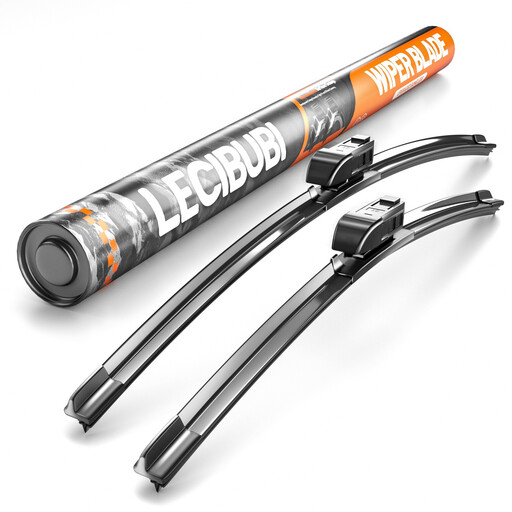
Product Feature Analysis: This set is designed as a direct replacement for the original equipment. The frameless design with an integrated tension spring ensures constant contact pressure. The natural rubber material is engineered for a wide temperature range and high wiping performance. The aerodynamic profile reduces wind noise.
Advantages:
Ideal for: Owners of a VW Amarok (2012–2022), Transporter/Multivan T5 (2013–2015), or Transporter/Multivan T6 (2015–2021) looking for a precise-fitting and functional solution to replace their wiper blades.
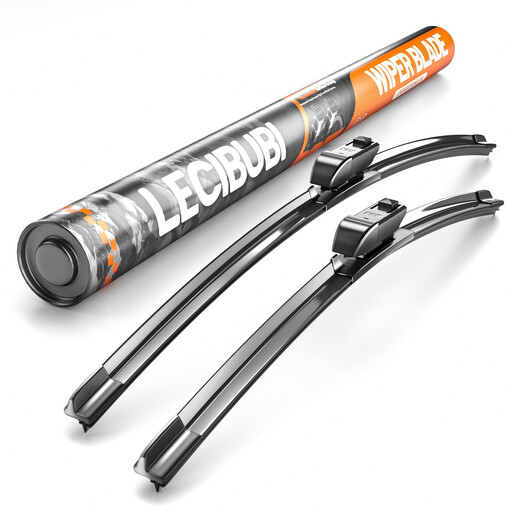
Product Feature Analysis: This wiper blade set is specified for a wide range of Volkswagen Group vehicles. The 600 mm and 475 mm lengths correspond to the OE specifications for models like the Golf 5/6 or Skoda Yeti. The beam-blade design, featuring a special rubber compound, aims to deliver a clean, chatter-free wipe.
Advantages:
Ideal for: Drivers of a VW Golf 5/6, Passat B6/CC, Jetta MK5, Scirocco, or Skoda Yeti (5L) who need a reliable replacement for their worn-out wiper blades for VW or Skoda.
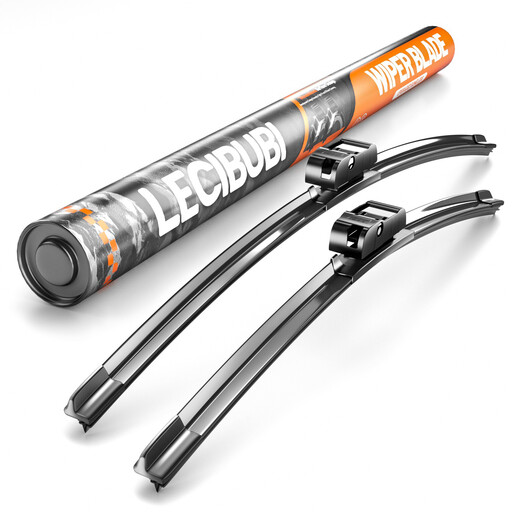
Product Feature Analysis: Specially developed for newer Mercedes-Benz models like the C-Class (W205) and GLC (X253). The symmetrical 550 mm length and specific adapter ensure a perfect fit. The smart, frameless design prevents ice and snow build-up on moving parts and uses memory tension to provide optimal pressure distribution.
Advantages:
Ideal for: Owners of a Mercedes-Benz C-Class (W205), GLC-Class (X253), or EQC (N293) seeking a precise, high-performance alternative to the original wiper blades for Mercedes.
If your vehicle model is not listed in our selection or if you are looking for different specifications, you can find a more comprehensive range in our main category. There, you can filter specifically by your vehicle type.
-> Discover more wiper blades here
1. How often should you replace wiper blades? Replacement is generally recommended every 12 to 24 months. At the latest, when wiping performance deteriorates and streaking, smearing, or chattering occurs, the wiper blades should be renewed. UV radiation, ozone, and temperature fluctuations cause the rubber material to become brittle over time.
2. What is the technical difference between conventional and beam wiper blades? Conventional wipers have a metal frame structure with multiple joints to distribute pressure. Beam wiper blades, on the other hand, have an integrated tension spring (spoiler) within a rubber profile, which creates a more aerodynamic shape and ensures more uniform pressure distribution on the windscreen. This often results in better wiping quality, especially at high speeds and in winter.
3. Can I replace wiper blades myself? Yes, changing wiper blades on most vehicles is a simple process that requires no special tools. The wiper arms are typically lifted into a service position. Then, the old blade is released via a clip or hook mechanism, and the new blade is pushed on until it clicks securely into place.