
Lieferung heute & morgen

Qualitätsgarantie

Willkommens-Angebote freischalten: KOSTENLOSE Lieferung | Bis zu 80 % RABATT | Kostenlose 30-Tage-JoyPlus-Testphase
App herunterladen
Streaks on the windshield, a chattering sound with every wipe, or unwiped areas in your field of view—worn-out wiper blades are not just an annoyance, but a serious safety hazard. However, the market for replacement wiper blades is confusing and full of pitfalls that can quickly lead to a costly mistake. Before you buy a new wiper blade set, it's crucial to understand the most common problems to save time and money.
As a Joybuy Product Recommendation Officer, I filter through the noise to bring you the information that truly matters. Here are the common pitfalls and how to avoid them.
Pitfall 1: The "Universal Adapter" Myth Many budget-friendly sets advertise a universal fit, but the reality is often different. Modern vehicles, especially from German manufacturers like VW, BMW, or Mercedes, use highly specific mounting systems (e.g., "Side Lock" or "Top Lock"). An included universal adapter is often bulky, fits loosely, and can cause instability at high speeds. The result is poor wiping performance and, in the worst-case scenario, damage to the wiper arm.
Pitfall 2: Inferior Rubber with a Short Lifespan A low price often comes at the cost of a low-quality rubber compound. Such wiper blades can harden after just a few months due to UV radiation and temperature fluctuations. As a result, the wipers begin to smear, squeak, and leave streaks, significantly impairing visibility in rain or snow.
To avoid these problems, you should check three key technical features before buying. These will ensure you get a perfectly fitting, durable product that is on par with the original equipment.
The most important factor is the connector on the wiper arm. Instead of relying on unreliable universal solutions, you should choose a wiper blade set that is explicitly designated as "OE-Fit" (Original Equipment Fit) for your vehicle model. These sets click directly onto the original wiper arm without any extra adapters. This guarantees a firm, secure fit and optimal force distribution from the arm to the blade. Searching for "Audi wiper blades" or "BMW wiper blades" should lead you to products that already have these vehicle-specific connectors integrated.
Modern vehicles are almost exclusively equipped with beam wipers (also called frameless wipers) from the factory. Unlike older conventional wipers, they have no joints that can freeze in winter. An integrated spring spoiler ensures even pressure along the entire length of the wiper blade. This leads to a significantly better wiping result, especially at higher speeds, and reduces wind noise.
The lengths of the front wiper blades for the driver and passenger sides are often different. It is essential to cross-reference the length specifications (in millimetres) with your vehicle's requirements. A deviation of just a few millimetres can cause the wiper to hit the edge of the windshield or leave important areas of your field of view uncleaned. Also, pay attention to details about the material, such as high-quality natural rubber, which is known for its flexibility and durability.
Based on these objective criteria, we have identified several wiper blade sets tailored to specific vehicle categories and user needs.
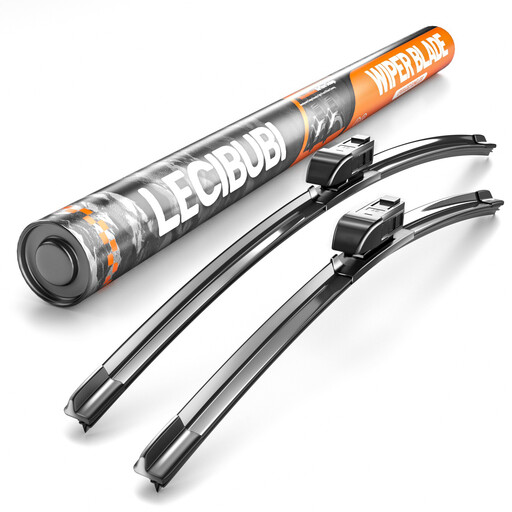
Why this set is a match: This set is designed for some of the best-selling vehicles in Germany, including the VW Golf 7 and Passat B8. It offers a cost-effective solution for DIY installation (replacing wiper blades) without compromising on fit.
It features the vehicle-specific adapter for the MQB platform, thus bypassing the "universal adapter trap." Installation is direct and secure, with no extra play.
Precise lengths (650mm+450mm) and an OE connector for popular models like the Golf 7 wiper blades and Passat B8 wiper blades.
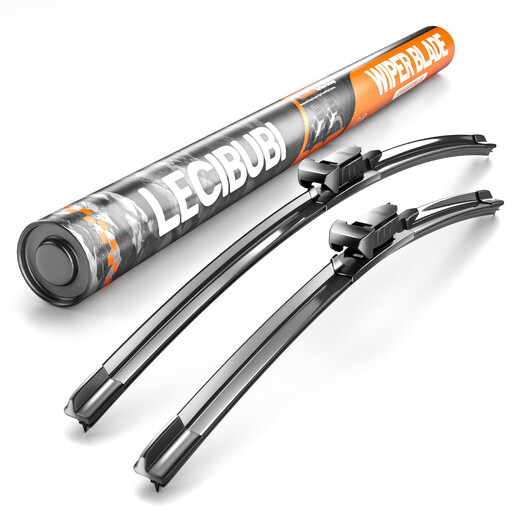
Why this set is a match: Drivers of premium saloons like the BMW 3 Series or Mercedes C-Class expect flawless performance and aesthetics. This set offers an OE-quality alternative to the often expensive original parts from the dealership.
The specific adapter for models like the BMW F30 wiper blades or Mercedes W205 wiper blades ensures seamless integration and prevents the performance issues common with universal wipers.
Aerodynamic beam wiper design and a rubber compound engineered for a quiet, clean wipe.

Why this set is a match: The large windshields on vehicles like the VW T5 or T6 place special demands on the stability and contact pressure of the wipers. This set is specifically designed for these heavy-duty operating conditions.
It provides the correct, identical lengths (600mm+600mm) and the right adapter for these specific models, avoiding the pitfall of incorrect length and fitment specifications for large vehicles.
Robust construction designed for the high pressure required on large, steep windshields, ensuring a gap-free clean.
We've compiled a complete, up-to-date list of products that meet these strict selection criteria and fitment requirements.
The general recommendation is to replace the wiper blades every 12 to 24 months. However, a replacement is advisable as soon as you notice a decline in wiping quality. Signs include streaking, chattering, or a film of water being left on the windshield. Strong sun exposure in the summer and ice in the winter accelerate the wear and tear on the rubber.
Yes, the replacement process is straightforward on most vehicles and requires no special tools. With modern wiper blade sets that have an OE fit, you often just need to click the new wipers onto the wiper arm until they snap audibly into place. The entire process usually takes only a few minutes and saves you the cost of a trip to the workshop.
The most reliable method is to check compatibility using your vehicle's make, model, and year. Look for detailed compatibility lists in the product description. Search specifically for your model, e.g., "wiper blades for VW Golf 7". Additionally, cross-referencing the specified lengths for the driver and passenger sides is an important step to confirm the fit.