
Lieferung heute & morgen

Qualitätsgarantie

Willkommens-Angebote freischalten: KOSTENLOSE Lieferung | Bis zu 80 % RABATT | Kostenlose 30-Tage-JoyPlus-Testphase
App herunterladen
A wine 6 x 0.75 l pack gives you six bottles with a total of 4.5 litres. This can be handy for dinners, parties or stocking up. At the same time, a wine pack ties up more money and storage space than a single bottle. If you choose purely by label, origin or discount, you won’t automatically buy something that suits your needs.
The taste description doesn’t simply refer to the perceived fruitiness. A dry wine can have fruity aromas, while an off-dry wine isn’t necessarily sweet. So check the specific wording on the label and, for well-known products, also look at the residual sugar or nutritional information if it’s available.
Italian wine, German wine, Portuguese wine or Australian wine differ in grape variety, growing region and style. However, the country of origin alone tells you little about whether a wine will suit your meal. Terms like “Reserve”, “Selection” or regional names shouldn’t be taken as proof of quality on their own.
Six bottles of 0.75 litres each equals 4.5 litres. That can be sensible for a private party; for occasional drinking, a 6-pack might be too much. Also pay attention to the closure: a screw cap makes resealing easier, whereas natural cork requires different handling. Once opened, wine should be stored cool and, depending on the product, consumed within a few days.
First, decide on the purpose:
The alcohol content is given in percentage by volume. In the selection you’ll find, for example, white wines with 9.5 to 12.5% vol., red wines with around 12 to 13% vol., and a wild berry wine cocktail with 6.9% vol. Compare this information if you’re planning drinks for different occasions.
For wine and wine-based drinks, sulphur dioxide and sulphites are often listed as allergens. The ingredients list may also include sugar, grape must, acidity regulators, stabilisers or carbon dioxide. If you need to avoid certain ingredients, check the details on the product page and packaging before buying.
The product’s recommended temperature affects the taste more than decorative packaging details. Many white and rosé wines are served at around 8 to 12 °C, while red wines are usually less chilled. Frizzante should be well chilled and drunk straight after opening to keep the fizz.
Store unopened bottles ideally in a cool, dry place away from direct light. After opening, follow the manufacturer’s instructions. For products like the Maybach Sauvignon Blanc or the Rotwild Pinot Blanc, consumption within a few days is recommended. The exact shelf life depends on the packaging, closure and product information.
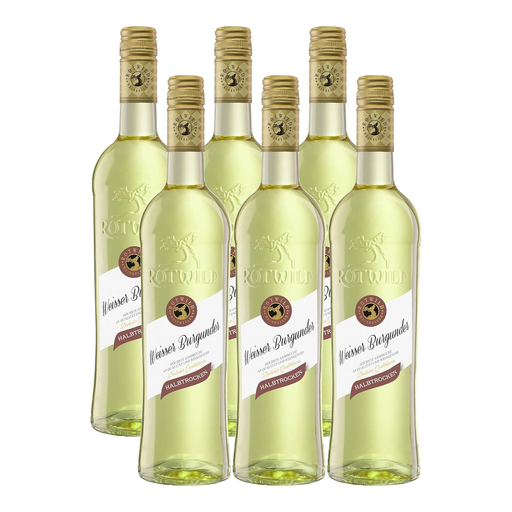
Why this product suits the profile: This off-dry German white wine comes in a bulk pack of six 0.75-litre bottles and works well with light meals, salads, poultry and seafood.
The “Semi-Dry” label makes the flavour profile clearer than a vague marketing claim. The screw cap makes it easier to reseal opened bottles.
6 x 0.75 l, 11.5% vol., origin Germany and resealable screw cap.
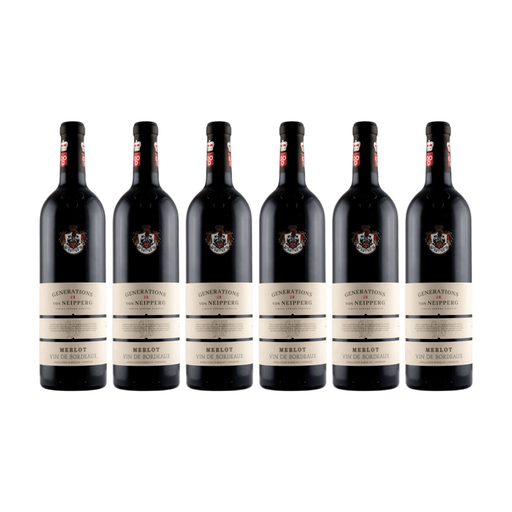
Why this product suits the profile: This Merlot from Bordeaux is offered at 12.5% vol. with a natural cork and can be served with pasta, meat dishes or cheese.
The selection can be assessed using clear data such as grape variety, origin, alcohol content, number of bottles and closure type.
Merlot, Bordeaux origin, 6 x 0.75 l, 12.5% vol. and natural cork are clearly stated.
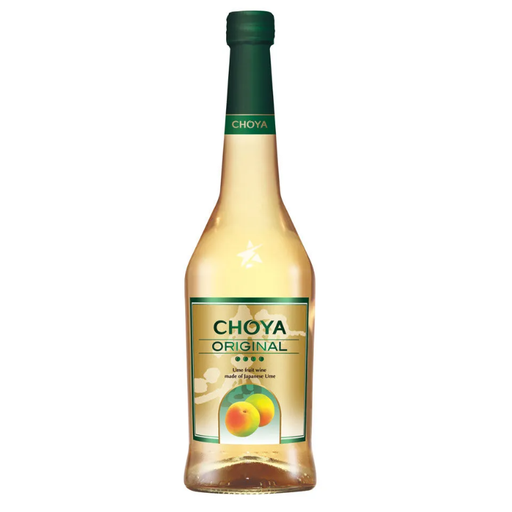
Why this product suits the profile: This Japanese plum wine at 10% vol. is an alternative to classic wine packs and can be enjoyed chilled, over ice or as a base for cocktails.
The product type, bottle size, ingredients and alcohol content are all listed. This makes it easy to distinguish Umeshu from dry wine or frizzante.
750 ml bottle, 10% vol., no listed allergens and multiple serving options.
Further options include, for example, a rosé wine 6-pack such as Doppio Passo Primitivo Rosato, an Italian frizzante from La Gioiosa, the Australian Crocodile Creek Chardonnay or a German Riesling from Maybach. For a dry red wine, options include Nero d’Avola, Dornfelder or Pinot Noir. Before buying, check current availability, delivery conditions, age verification and the details on the product page.
A wine 6 x 0.75 l contains six bottles of 750 millilitres each. That equals 4.5 litres in total. Based on a serving size of 0.2 litres, that works out to 22.5 glasses; the actual amount depends on the pour and the occasion.
That depends on the wine type, closure and storage. Many product recommendations suggest consuming opened bottles within two to four days. Sparkling wines and frizzante should be drunk as soon as possible after opening to preserve the fizz. Any leftovers should be sealed and kept in the fridge.
Online, you can easily compare wine type, origin, grape variety, alcohol content, pack size and food pairing suggestions. When ordering, pay attention to the delivery conditions, age verification, allergen labelling and the correct number of bottles. That way, price comparison becomes a sensible purchasing decision rather than a purchase based purely on marketing promises.