
Lieferung heute & morgen

Qualitätsgarantie

Willkommens-Angebote freischalten: KOSTENLOSE Lieferung | Bis zu 80 % RABATT | Kostenlose 30-Tage-JoyPlus-Testphase
App herunterladen
Buying wine online offers convenience and a huge selection. However, the search for the right wine case can quickly become overwhelming. Attractive offers and flowery descriptions make it difficult to judge a wine's true quality and value. As your Joybuy Product Recommendation Officer, I'll help you avoid common pitfalls and make an informed decision, ensuring your next wine purchase is a complete success.
Before you order wine online, you should be aware of the common marketing tactics that often promise more than they deliver.
To avoid disappointment, focus on objective criteria. These three parameters will give you a reliable guide for your selection.
The indication of sweetness is clearly regulated in the EU and is based on the wine's residual sugar content. This is one of the most important indicators of the taste experience.
Pay attention to these classifications to ensure the white wine case or red wine case matches your personal preferences.
The combination of the growing region (terroir) and grape variety significantly shapes the wine. An Italian wine like a Primitivo from Apulia tastes completely different from a cool, mineral Riesling from Rheinhessen due to the warm climate and soil characteristics.
The alcohol content gives an indication of the wine's body and intensity. Light wines with 9–11% ABV are well-suited for easy drinking on warm days. Bolder wines with 13% ABV or more are an excellent match for rich dishes or a cosy evening. A sparkling wine case for celebrations should also be matched to the occasion—dry as an aperitif, off-dry with desserts.
Here are some recommendations tailored to different needs that meet the quality criteria mentioned above.
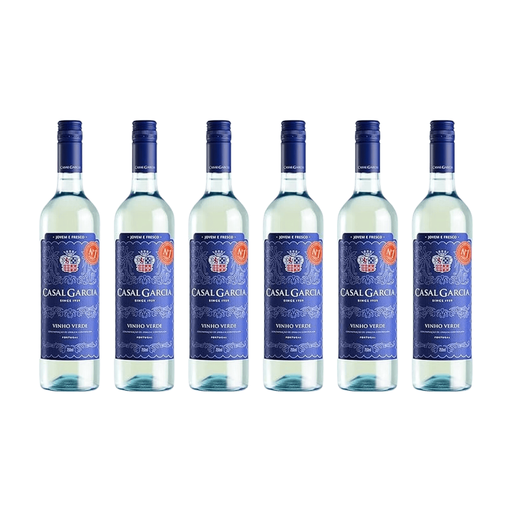
Why This Fits Their Persona: Ideal for anyone looking for a light, refreshing wine for after work or social gatherings. Its lower alcohol content and crisp character make it very approachable.
The description is precise: The origin (Minho, Portugal), grape varieties (Trajadura, Loureiro, etc.), and the off-dry taste profile are clearly declared. Buying it as a 6-bottle case of wine optimises the price per bottle.
Light and refreshing with only 9.5% ABV. Versatile as an aperitif or with light dishes like salad and fish.
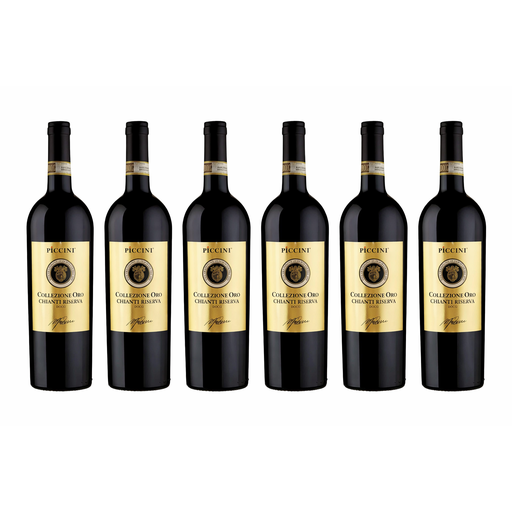
Why This Fits Their Persona: Perfect for connoisseurs seeking a structured, classic Italian wine for a dinner with friends or to pair with hearty dishes like grilled meat or pasta.
The DOCG classification (Denominazione di Origine Controllata e Garantita) is the highest quality level for Italian wines, guaranteeing its origin and production methods. The description of its ageing in oak barrels is a clear indicator of quality.
A Chianti Riserva must be aged longer than a standard Chianti, which gives it more complexity and depth. The 13.5% ABV supports its full body.
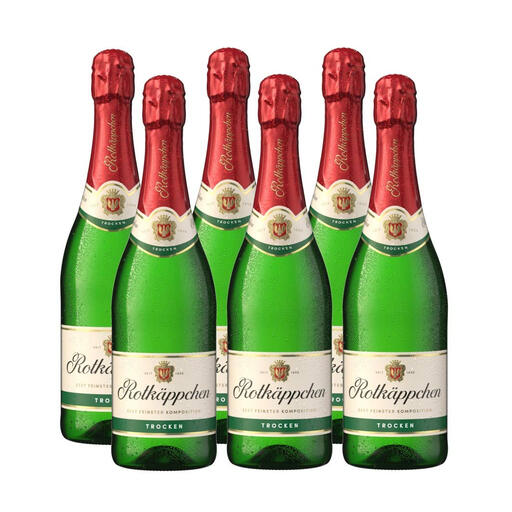
Why This Fits Their Persona: For anyone who wants to be well-prepared for birthdays, holidays, or spontaneous celebrations. A sparkling wine case from Germany's most famous brand is a reliable choice that is always a hit with guests.
The term "Sekt" is protected and designates a quality sparkling wine. The "Dry" classification clearly defines the residual sugar content (17-32 g/l for Sekt), ensuring a balanced, not overly sweet taste experience.
A classic German product with a very consistent and widely appreciated taste profile. Ideal as a bulk wine pack for festive moments.
We have compiled a complete, real-time list of products that fully satisfy these strict selection criteria and UK safety regulations.
1. How do I store a case of wine correctly? Store your wine case in a cool, dark place with a constant temperature, ideally between 10 and 15°C. Bottles with natural corks should be stored on their side to keep the cork moist and prevent it from drying out. Wines with a screw cap can be stored upright.
2. Is a wine tasting set worth it? Yes, a wine tasting set is an excellent way to get to know different grape varieties, regions, or wineries without having to commit to a large quantity immediately. Make sure the selection in the case matches your general preferences (e.g., only dry wines or a mix of red and white).
3. How can I spot a good "wine on sale"? You can identify a good deal not by the discount, but by the final price per bottle, including all costs. Compare this price with similar wines (same grape variety, origin, and quality level). A reputable offer will also provide transparent information on all key parameters, such as sweetness level, alcohol content, and origin.