
Lieferung heute & morgen

Qualitätsgarantie

Willkommens-Angebote freischalten: KOSTENLOSE Lieferung | Bis zu 80 % RABATT | Kostenlose 30-Tage-JoyPlus-Testphase
App herunterladen
Wine-based drinks offer a simple way to enjoy social gatherings without the hassle of measuring or mixing ingredients. Whether for a garden party, a relaxed evening on the balcony, or as an aperitif, the selection of ready-to-drink cocktails is vast. However, not every product lives up to the promise of its appealing packaging. Certain pitfalls can spoil the experience and lead to an unsuitable choice. This guide will help you identify the crucial quality markers and find the right product for your needs.
The convenience of ready-to-drink wine cocktails is their greatest advantage. Nevertheless, there are quality differences that often only become apparent after opening. Here are three points that play a role in your selection.
To avoid these pitfalls, you should check three essential aspects before buying. These will help you objectively assess the quality of a wine-based drink.
The quality of a ready-to-drink cocktail starts with its ingredients. A transparent ingredients list is a good sign. Pay attention to the following points:
The character of a wine-based drink is largely determined by its alcoholic base.
wine cocktails and Spritz varieties fall within a range of 5% to 7% ABV. This moderate alcohol content makes them light summer drinks. Products with a significantly higher alcohol content can taste more intense and may not be suitable for every occasion.party drinks, allowing designated drivers to raise a glass without a worry.The choice of packaging should depend on the planned occasion.
aperitif. Each serving is fresh and fizzy. Cans also cool down faster.Here is a selection of products tailored to different needs and occasions.
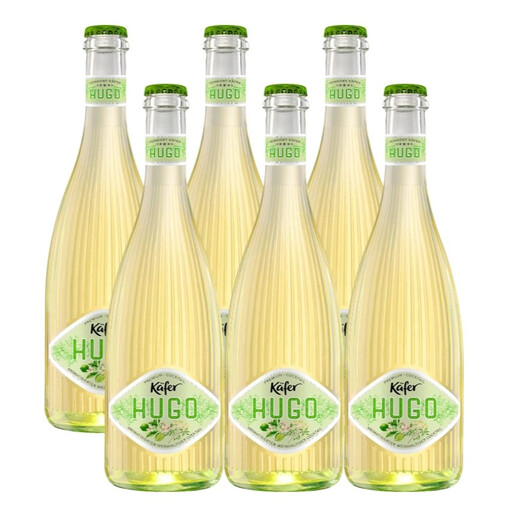
Why This Fits Their Persona: Ideal for parties and celebrations where a popular and refreshing classic is needed. The value pack with six 0.75-litre bottles ensures that no one goes thirsty, even in larger groups.
The large format is designed for immediate consumption in a social setting, thus avoiding the problem of flat leftovers. The classic Hugo taste is balanced and not overly sweet.
Proven flavour profile (elderflower, lime). Good value for money in the 6-pack for serving guests.
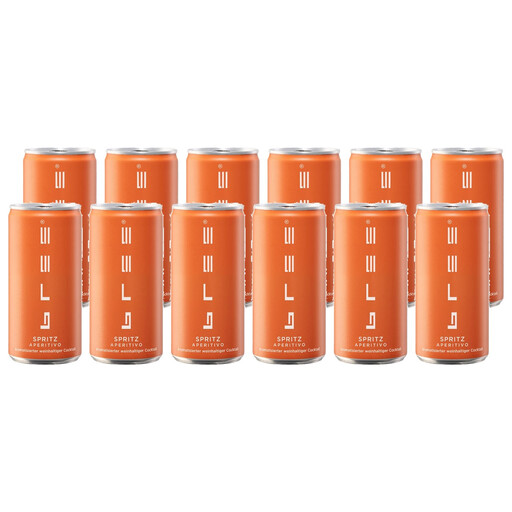
Why This Fits Their Persona: Perfect for spontaneous occasions, picnics, or enjoying alone. The 0.2-litre cans are lightweight, portable, and guarantee that every drink is fresh and sparkling. Ideal for those who value flexibility.
The single-serving cans prevent the problem of drinks going flat. The classic, bittersweet Spritz flavour is balanced and refreshing.
Maximum portability and guaranteed freshness thanks to the can format. Classic aperitivo taste with a fruity, bitter orange note.
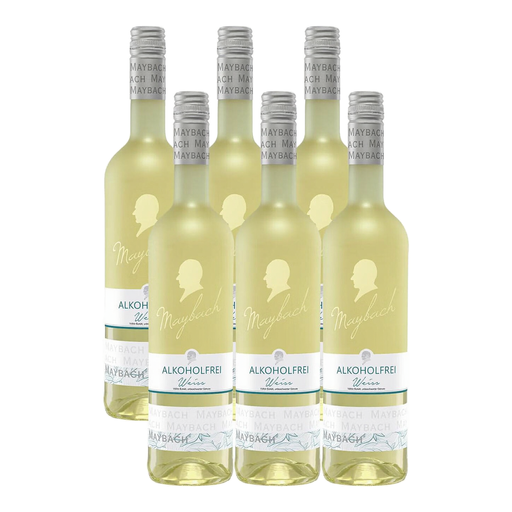
Why This Fits Their Persona: For anyone who wants to enjoy the taste of wine without the alcohol. This alternative, based on de-alcoholised wine, is ideal for drivers, pregnant women, or health-conscious individuals.
Offers a mature taste experience that goes beyond sugary soft drinks. A gentle de-alcoholisation process preserves the wine's aroma without it being overpowered by the taste of alcohol.
0.0% alcohol content and very low in calories (19 kcal per 100 ml). The full bouquet of a white wine is retained thanks to the gentle production method.
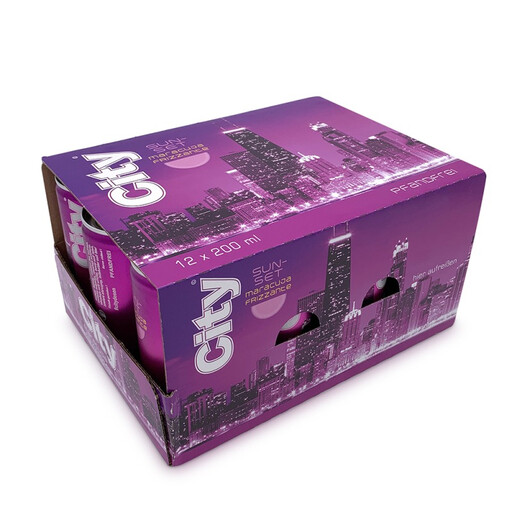
Why This Fits Their Persona: For those looking for new, exotic taste experiences. The tropical passion fruit note offers a welcome change from classic varieties like Hugo or Spritz and brings a holiday vibe to your glass.
This drink relies on a high fruit juice content (including 6% passion fruit juice) and purée, which ensures an authentic, fruity taste and avoids the sugar trap.
Exotic, tropical flavour profile. Convenient can format for on the go and parties. Moderate alcohol content of 5.5% ABV.
We have compiled a complete, real-time list of products that fully satisfy these strict selection criteria and UK safety regulations.
Opened bottles of carbonated wine cocktails should be tightly sealed, stored in the refrigerator, and ideally consumed within 1 to 2 days, as the carbonation escapes quickly. Non-carbonated products will last for about 3 to 5 days when refrigerated.
Yes, most wine-based drinks, especially summer drinks like Hugo or Spritz, are designed to be served well-chilled or over ice. The ice not only keeps the drink cold but can also slightly mellow out any existing sweetness and provide extra refreshment. A garnish of fresh fruit or herbs (e.g., mint in a Hugo) completes the taste experience.
Although both are popular wine cocktails, they have fundamentally different flavour profiles. A Spritz is typically based on a bitter herbal liqueur (as in an Aperol Spritz), which gives it a characteristic bittersweet orange note. A Hugo, on the other hand, is made with elderflower syrup, mint, and lime, giving it a floral, sweet, and fresh taste.