
Lieferung heute & morgen

Qualitätsgarantie

Willkommens-Angebote freischalten: KOSTENLOSE Lieferung | Bis zu 80 % RABATT | Kostenlose 30-Tage-JoyPlus-Testphase
App herunterladen
A wine cooler should reliably bring wine bottles to serving temperature or maintain that temperature over a longer period. However, not every model serves the same purpose. There are clear differences between wine bottle coolers, electric wine coolers, wine fridges and cool boxes when it comes to cooling performance, space requirements and power supply.
If you only focus on appearance or a particularly low temperature specification, you often overlook important details. Three typical purchasing decisions lead to disappointment more often than others:
Your choice should first be guided by where you plan to use it.
A wine bottle cooler is intended for the table, dinner or a single bottle. Cooling sleeves are usually pre-chilled and then slipped over the bottle. A classic wine cooler or ice bucket requires ice or ice packs and is flexible for garden parties and gatherings.
An electric wine cooler, on the other hand, works actively. Depending on the design, the temperature is controlled via a thermostat. A wine temperature cabinet with several shelves makes sense if you regularly store multiple bottles and want to keep them at a constant temperature.
For the car, motorhome or camping, a portable wine cooler is worth considering. Here, connections are key: models for 12 volts are suitable for vehicles, while devices with 220–240 volts can also be used at home, in the office or in a holiday home. A passive camping cool box requires no electricity, but does not achieve an active cooling temperature.
Manufacturer specifications such as 6 litres, 10 litres or 46 litres give you a rough idea. However, for wine it is also important to check whether the interior is actually designed for 0.75-litre bottles. Bottle shapes vary: sparkling wine and champagne bottles are often wider than standard wine bottles.
Before buying, you should check:
A wine fridge with an adjustable temperature range allows for more precise control than a passive cooling sleeve. However, actual performance also depends on the ambient temperature, how full it is and ventilation.
Thermoelectric devices are often compact and relatively lightweight. Compressor models can actively cool larger interiors, but usually need more space and can generate operating noise. Specifications such as 42 dB(A) should therefore be considered in relation to where you place it: in a living room or bedroom, the noise level is more relevant than in a cellar or on the terrace.
For a wine cooler for on-the-go use, the power supply is a key criterion. Check whether a 12-volt connection is available and whether a mains adapter for the socket is included. For longer use at home, the energy efficiency rating and annual consumption in kWh are more meaningful than a general advertising claim about being economical.
With passive cool boxes, there is no electricity consumption, but you do need to prepare ice or ice packs. For hygiene, interior surfaces should be easy to access and wipe clean. Electrical appliances must not be immersed in water; ventilation openings must remain clear.
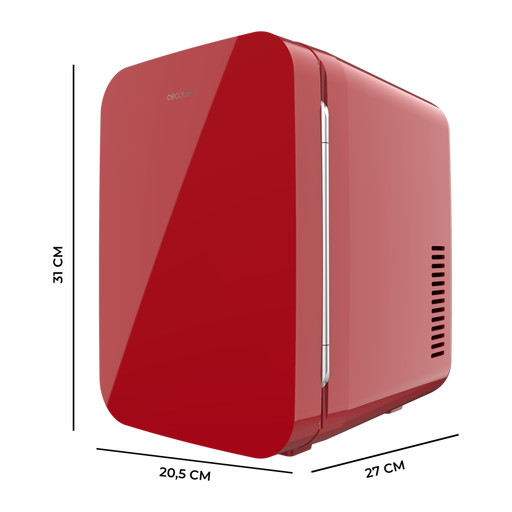
Why this product suits the profile: This compact device is designed for small quantities, the office, bedroom, car and camping, and works with 12 volts as well as 220 volts.
The stated connections make its intended use clear. However, you should still check before buying whether the internal dimensions are sufficient for the bottle shape you want.
6-litre design, adjustable temperature and use with a 12-volt or mains connection.
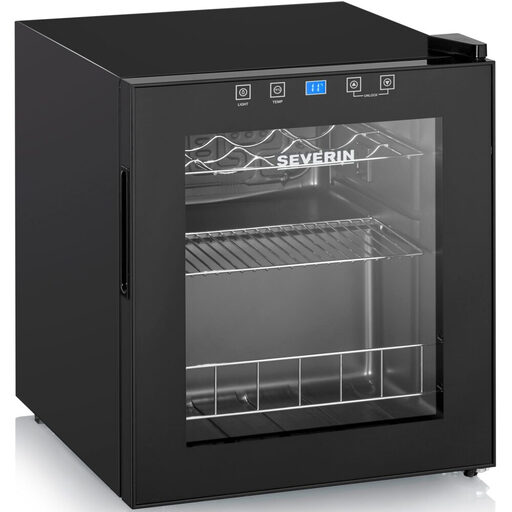
Why this product suits the profile: This wine fridge is designed for permanent placement in the home and offers space for up to 15 standard 0.75-litre bottles.
The temperature range of 4 to 18 °C and the stated bottle capacity make it easy to distinguish from small drinks coolers.
46 litres of usable capacity, touch display, LED interior lighting, automatic defrost and a stated noise level of 42 dB(A).
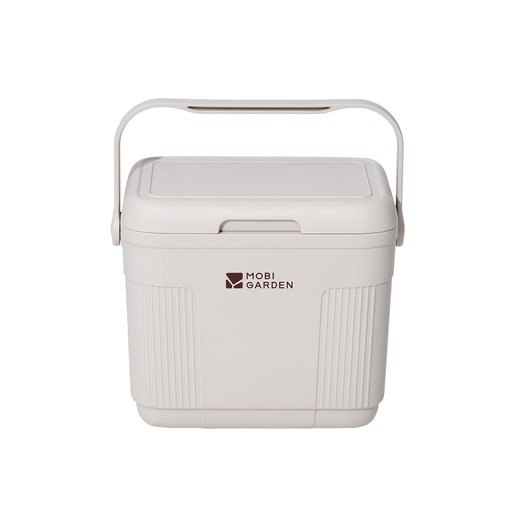
Why this product suits the profile: This passive cool box is ideal for camping, picnics, fishing and longer journeys without a power supply.
The product description explicitly states that the box is only insulated and does not actively cool. This allows you to set realistic expectations for ice packs and ice.
22-litre capacity, PU insulation, silicone seal and space for two cool boxes; the stated cooling duration is up to 36–48 hours with cool boxes.
We have put together a complete, regularly updated list of products that fully meet these strict selection criteria and the safety regulations in force in the EU.
That depends on the design. A cooling sleeve keeps an already cold bottle cool for a limited time. An insulated cool box can keep things cool for much longer with enough ice or ice packs. The actual duration is affected by the outside temperature, direct sunlight, how full it is and how often you open it.
The right temperature depends on the type of wine and your personal serving preference. An adjustable range, for example from 4 to 18 °C, is practical because it can accommodate different drinks. The set temperature does not automatically match the temperature of every bottle, especially when warm bottles are newly placed inside.
For a rough estimate, you need the stated annual consumption in kilowatt hours and your electricity price. Multiply the two values together. In addition, the location, ambient temperature, ventilation and set temperature all influence the actual consumption. Therefore, an appliance should not be placed directly next to a heat source or without the required clearance.