
Lieferung heute & morgen

Qualitätsgarantie

Willkommens-Angebote freischalten: KOSTENLOSE Lieferung | Bis zu 80 % RABATT | Kostenlose 30-Tage-JoyPlus-Testphase
App herunterladen
The selection of wine glasses is vast, and manufacturers' promises are often grandiose. But not every glass delivers on its promise. As your Joybuy Product Recommendation Officer, I'll help you identify the crucial features and sidestep marketing traps, so you can make an informed decision—whether you're looking for a durable everyday glass or a specialised one for special occasions.
Many buyers are swayed by appealing images or tempting descriptions, only to later find that the glasses are impractical, short-lived, or unsuitable for their favourite wine. Pay close attention to these three points:
To avoid a bad purchase, you should focus on objective criteria. These three aspects are crucial for the quality and function of a wine glass.
The choice of material determines the look, feel, and durability of your glasses.
The shape of the glass is not just a design element, but a functional tool for aroma development.
To maximise the lifespan of your glasses, follow these tips: Always hold glasses by the stem to avoid fingerprints on the bowl. When cleaning in the dishwasher, select a gentle glass cycle with a low temperature and ensure the glasses do not touch each other. For particularly fine glasses, hand washing with a soft cloth is always the gentler method.
Here are a few recommendations tailored to different needs and occasions.
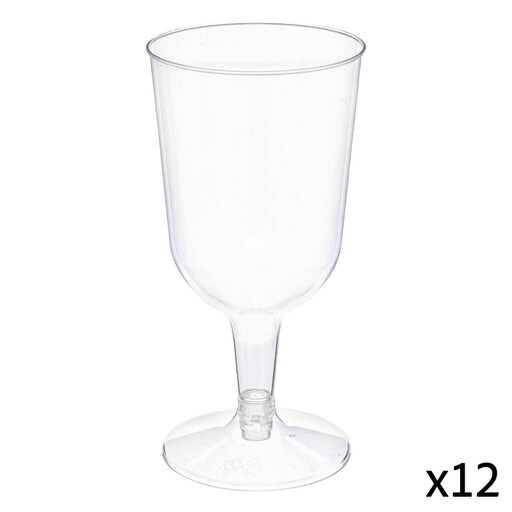
Why This Fits Their Persona: Ideal for hosts who need a larger quantity of robust and uncomplicated glasses for parties, daily use, or as a basic starter set. Value for money is the top priority here.
This wine glass set doesn't claim to be a highly specialised tasting glass. It's an honest product made of soda-lime glass, whose value lies in its quantity and versatility.
Large 12-piece set for maximum flexibility. The classic shape is versatile enough for wine, water, or cocktails.
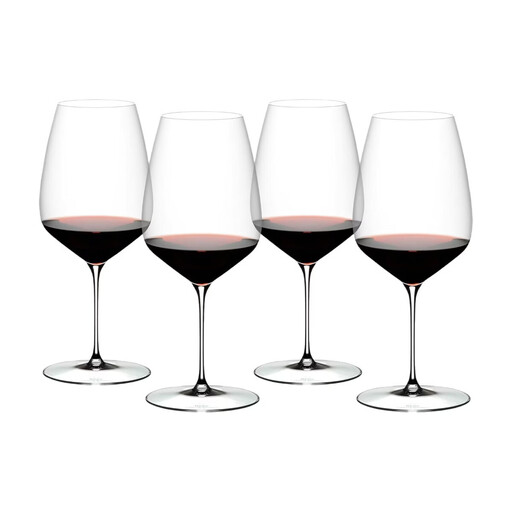
Why This Fits Their Persona: Perfect for connoisseurs who want to fully unlock a wine's potential. This glass is specifically designed for full-bodied red wines, maximising the aroma and flavour experience with its grape-specific shape.
This glass is the opposite of a vague "universal glass." It is a precise instrument for a specific type of wine. The high-quality crystal glass delivers the promised brilliance and delicacy.
Grape-specific bowl shape for complex red wines. Machine-made from fine crystal glass for precision and an elegant feel.
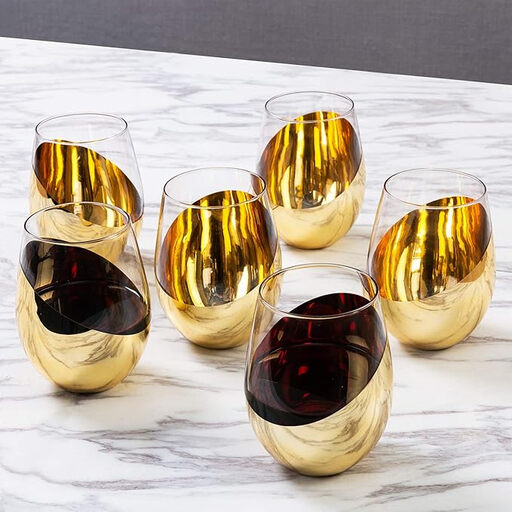
Why This Fits Their Persona: For anyone who values a distinctive aesthetic. The stemless design with a metallic brass-plated base is a statement piece, adding a modern, elegant touch to any table setting.
These glasses clearly focus on their design. They don't promise superior aroma development but offer a stylish, stable, and modern alternative to the classic stemmed glass.
Striking stemless design with a brass accent. The wide base ensures high stability and reduces the risk of tipping over.
We've compiled a complete, up-to-date list of products that fully meet these strict selection criteria and UK regulations.
The cloudy film, also known as glass corrosion, occurs when hot water and aggressive detergents attack the glass surface. To prevent this, use a gentle cycle with a low temperature (max. 55°C / 130°F), use detergent and rinse aid sparingly, and open the machine right after the cycle finishes to let the hot steam escape.
Yes, the shape has a significant impact. A wide bowl for red wine increases the surface area and allows the wine to "breathe," which helps the aromas to develop better. A narrow bowl for white wine concentrates the more delicate aromas and directs them straight to the nose. The shape influences which parts of the tongue first come into contact with the wine, which can alter the perception of sweetness, acidity, and bitterness.
The main difference lies in the composition. Normal soda-lime glass is thicker and less brilliant. Crystal glass contains metal oxides (formerly lead, now usually barium, zinc, or titanium) that increase its density and light refraction. This results in greater brilliance, a finer sound when clinked, and allows for the production of thinner, more elegant glasses.