
Lieferung heute & morgen

Qualitätsgarantie

Willkommens-Angebote freischalten: KOSTENLOSE Lieferung | Bis zu 80 % RABATT | Kostenlose 30-Tage-JoyPlus-Testphase
App herunterladen
The selection of wine glasses is vast, and so are the promises made by manufacturers. However, well-intentioned advice and clever marketing often lead to purchases that prove impractical or unsuitable in hindsight. Before you invest, it's crucial to understand the common pitfalls that cause glasses to sit unused in the cupboard or quickly lose their quality.
A frequent issue is the promise of the "perfect universal glass." While such glasses offer a compromise, they can rarely unlock the full potential of a complex red wine or a delicate white wine. Another pitfall is the dishwasher-safe label. Many glasses advertised as such, especially delicate models, develop a milky film (glass corrosion) after just a few wash cycles or are prone to breakage because their construction isn't designed for the stresses of a dishwasher. Finally, vague material descriptions cause confusion: terms like "crystalline" sound high-quality but don't necessarily denote the brilliant and durable crystal glass that connoisseurs appreciate.
To make an informed decision tailored to your needs, you should consider three core parameters. These will help you objectively evaluate the functionality and quality of a wine glass.
The shape of the bowl is not merely a design feature but a functional tool that significantly influences the perception of wine aromas. The right shape allows the bouquet to develop and be channelled towards the nose.
The material determines not only the look but also the feel and durability of a wine glass.
Suitability for the dishwasher is a crucial criterion for everyday use. The term dishwasher-safe means the glass should withstand a certain number of wash cycles without damage. Glass corrosion, the aforementioned milky film, is caused by a combination of high temperatures, aggressive detergents, and soft water. High-quality glasses are often more resistant. To maximize their lifespan, it is recommended to use a delicate or glass cycle at a low temperature and the correct dosage of a glass-friendly detergent. For particularly fine or handmade glasses, hand washing remains the safest method.
Instead of making a one-size-fits-all recommendation, we have matched products to different use cases and standards.
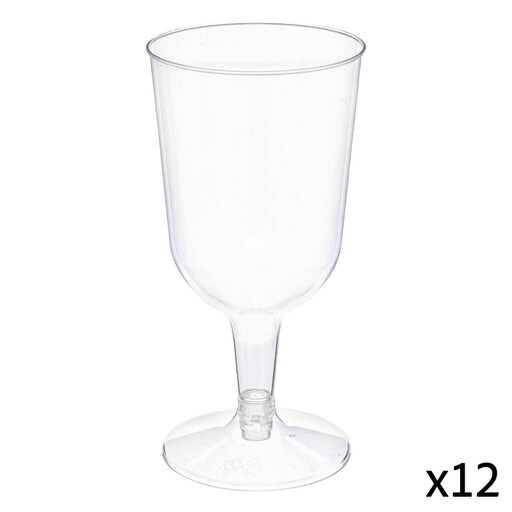
Why it's a great fit: Ideal for those who host often and need a large number of robust glasses. This set is straightforward, versatile enough for wine or cocktails, and the financial loss of a single broken glass is negligible.
This set doesn't make exaggerated claims. It's an honest, functional wine glass set for large gatherings, thereby avoiding the trap of the overpriced "universal glass."
Excellent value for money and a sufficient quantity for parties or large family celebrations. The glasses are listed as dishwasher-safe by the manufacturer.

Why it's a great fit: For wine lovers who want to get the absolute most out of their wines. This glass is specifically designed for tannin-rich, complex red wines like Bordeaux and is a statement of craftsmanship and functionality.
It is the antithesis of a compromise glass. The varietal-specific shape and handmade crystal glass are clearly defined quality features that avoid the pitfalls of vague material descriptions and false promises of universality.
According to Riedel, the generous volume (950 ml) optimizes the development of the bouquet, softens rough edges, and enhances the fruit to achieve a balanced taste.
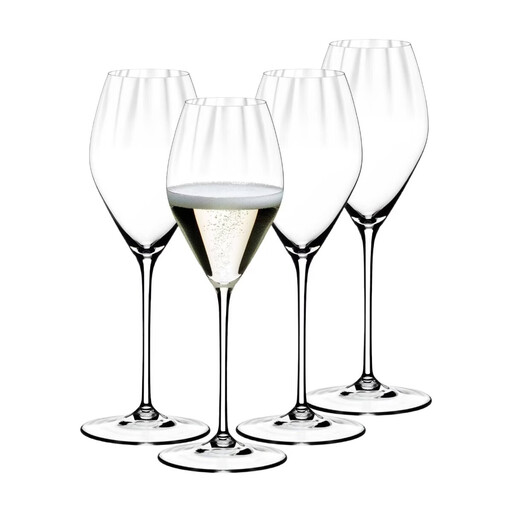
Why it's a great fit: For special occasions and for those who appreciate a modern wine glass design. This set is not only functional but also a visual highlight on any festive table setting.
This glass goes beyond the traditional champagne flute. According to Riedel, the egg-shaped bowl and optical effect are not mere gimmicks but are based on research to increase the inner surface area for better aroma development.
The unique optical effect inside the bowl increases the glass's surface area, which intensifies the champagne's aromas. The set is also made of crystal glass and is dishwasher-safe.
We have compiled a complete, up-to-date list of products that fully meet these strict selection criteria and UK regulations.
1. How many wine glasses do you really need? This largely depends on your personal lifestyle. For a start, a set of six to eight high-quality universal or white wine glasses is often sufficient, as they are versatile. Wine enthusiasts will benefit from separately purchasing at least four red wine glasses and four white wine glasses. Those who frequently host guests are well-advised to have a larger, more robust wine glass set of 12 or more.
2. Do expensive wine glasses really get cloudy in the dishwasher? Yes, the risk of glass corrosion exists for all glasses. High-quality crystal glass may be more resistant, but it is not immune. The causes are excessively high temperatures, aggressive detergents, and overly soft water. To prevent this, you should select a glass or delicate cycle with a low temperature (max. 55°C), use the correct amount of a mild detergent, and ensure the glasses do not touch each other in the rack.
3. Does the shape of the wine glass really make a difference in taste? Yes, the shape has a physically demonstrable impact. A bulbous bowl increases the wine's surface area, which promotes the evaporation of alcohol and the release of aromatic molecules (aeration). A tapering opening concentrates these aromas and directs them to the nose. This is not just a marketing claim but a fundamental principle of sensory science that objectively influences the enjoyment of wine.