
Lieferung heute & morgen

Qualitätsgarantie

Willkommens-Angebote freischalten: KOSTENLOSE Lieferung | Bis zu 80 % RABATT | Kostenlose 30-Tage-JoyPlus-Testphase
App herunterladen
The selection of wine glasses is vast, and manufacturers' promises are often as full-bodied as the wines they're meant to hold. However, not every glass that looks elegant actually enhances the wine-drinking experience. Many buyers invest in expensive sets that disappoint in daily use or are unsuitable for their favourite wine. This guide will help you identify the crucial features and bypass marketing traps, enabling you to make an informed decision.
Before you invest in new glasses, you should be aware of three common problems that often lead to disappointment.
To avoid a bad purchase, focus on two objective criteria: the shape of the bowl and the material.
The shape of the glass is not purely a design feature but a functional tool that significantly influences the perception of wine.
The material determines not only the appearance but also the durability and the mouthfeel.
Here are some recommendations tailored to different needs and occasions.
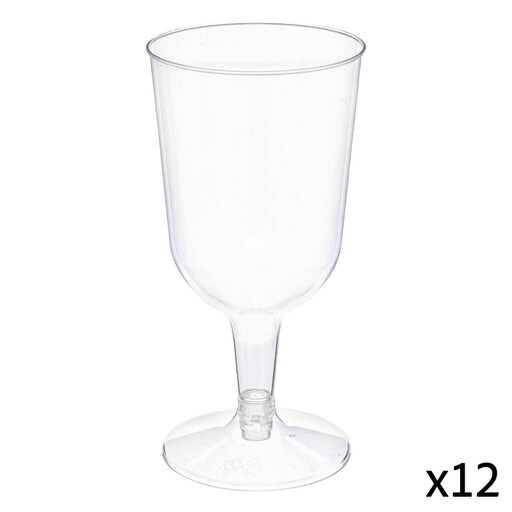
Why This Fits Their Persona: Ideal for a first set, large parties, or daily use where excellent value for money and straightforward handling are a priority. This wine glass set reliably covers all the basic needs.
This set bypasses the "universal glass" trap by not claiming to be a specialist glass. It is an honest, everyday glass for wine, cocktails, or water that focuses on functionality and quantity.
A large set of 12 glasses at an excellent price. According to the manufacturer, the material is dishwasher-safe and therefore easy to clean.
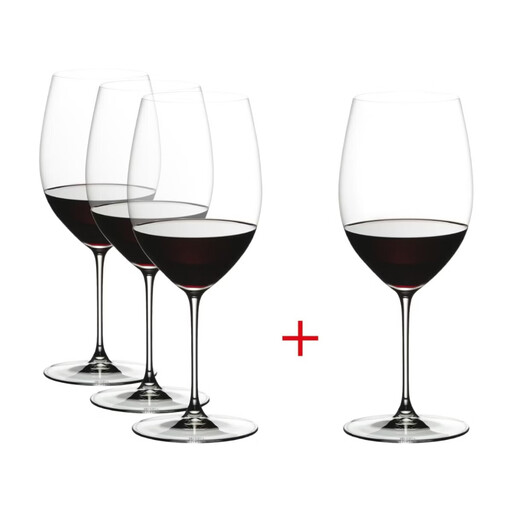
Why This Fits Their Persona: For connoisseurs who want to unlock the full potential of powerful red wines like Cabernet Sauvignon and Merlot. This glass is a precision instrument for developing structure and complexity.
This is a grape-specific red wine glass designed specifically for one type of wine. It avoids the compromise of a universal glass and delivers an optimised result for the intended grape variety.
Crafted from thin-walled crystal glass for an elegant mouthfeel. The machine-blown design combines precision with lightness and is dishwasher-safe according to the manufacturer.
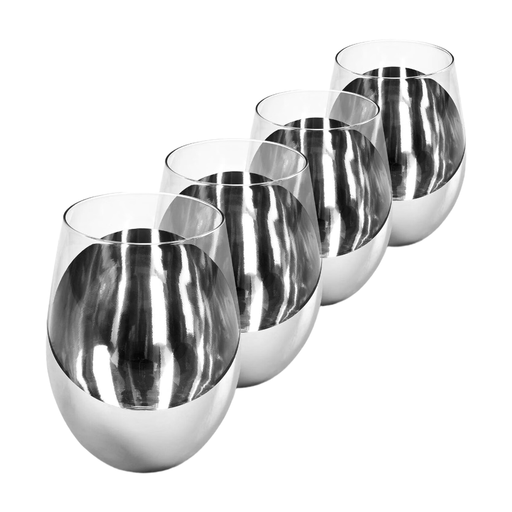
Why This Fits Their Persona: For anyone who values a modern table setting. These stemless wine glasses with silver accents are an eye-catcher, combining contemporary design with practical stability.
The focus is clearly on design and durability. The shatter-resistant construction directly addresses concerns about a lack of everyday practicality, while the stemless design is a deliberate aesthetic choice.
The combination of a modern, stemless design and elegant metallic accents. According to the manufacturer, the glasses are shatter-resistant and dishwasher-safe, making them practical and durable.
We have compiled a complete, up-to-date list of products that fully meet these strict selection criteria and UK safety regulations.
1. How do you clean wine glasses properly to prevent them from becoming cloudy? Proper care is essential to maintain the brilliance of your glasses. Many high-quality glasses, including crystal ones, are now declared dishwasher-safe. Use a gentle glass cycle at a low temperature and ensure the glasses do not touch each other in the rack. When washing by hand, lukewarm water, a mild detergent, and a soft cloth are the right choice. Stubborn red wine stains can often be removed with a mixture of water and vinegar.
2. Is it worth investing in grape-specific glasses? For the occasional wine drinker, a high-quality universal glass for white or red wine is often sufficient. However, if you are a wine enthusiast and want to explore the fine nuances of different grape varieties, a specific glass can make all the difference. A matching red wine glass for a Bordeaux or a special white wine glass for a Riesling can demonstrably intensify the taste experience by optimally showcasing the aromas.
3. What is the difference between crystal glass and regular glass? The main difference lies in the composition. Crystal glass contains metal oxides that give it a higher density and light refraction. The result is superior brilliance and a clear ring when clinked. Additionally, crystal glass can be processed to be thinner, leading to a finer rim and a more pleasant drinking experience. Regular soda-lime glass is thicker, less brilliant, and is mostly used for more robust, everyday glasses.