
Lieferung heute & morgen

Qualitätsgarantie

Willkommens-Angebote freischalten: KOSTENLOSE Lieferung | Bis zu 80 % RABATT | Kostenlose 30-Tage-JoyPlus-Testphase
App herunterladen
The selection of wine glasses is vast and often overwhelming. Whether for daily use, a celebration, or as an essential for discerning wine connoisseurs, the right glass can significantly influence your wine-drinking experience. However, many buyers fall into common traps set by clever marketing or unclear product descriptions. This guide will help you identify the crucial features and make an informed choice.
Before we dive into the important parameters, let's look at the typical pitfalls that often lead to disappointment and unnecessary expense.
To avoid a bad purchase, you should examine three core aspects. These determine the function, durability, and suitability of a wine glass for your needs.
The material is the foundation for the feel, appearance, and function of the glass.
The shape of the glass bowl is no accident. It is designed to support the characteristics of different wine types.
In addition to functional aspects, the design also plays a role, affecting handling and the occasion.
Here are some product recommendations tailored to different needs and occasions.
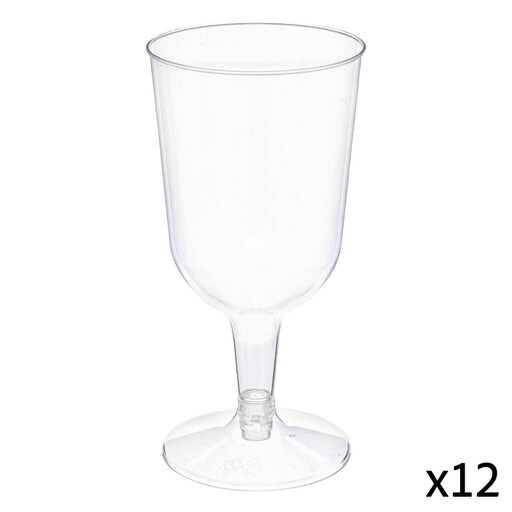
Why this product is a great fit: Ideal for anyone looking for a straightforward and affordable starter set for parties, large gatherings, or daily use. This wine glass set offers a large quantity at a very attractive price.
This set doesn't claim to be a high-end, varietal-specific glass. It's an honest, practical solution made of robust glass that replaces the myth of the "perfect universal glass" with versatility and a clear focus on utility.
Excellent value for money for a large quantity. The glasses are also dishwasher-safe and versatile enough for wine, cocktails, or water.
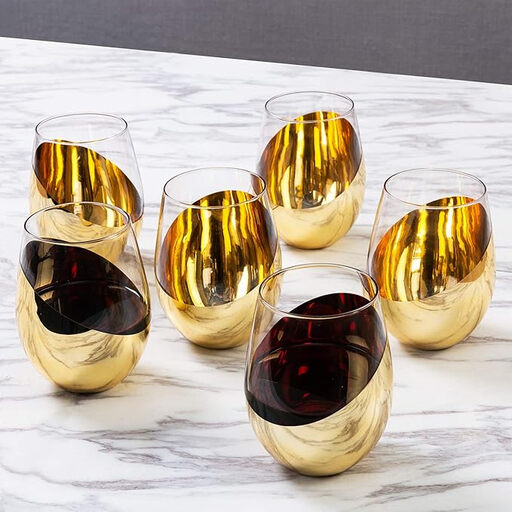
Why this product is a great fit: For those who value a modern and unconventional design. With their metallic accent, these stemless wine glasses are a real eye-catcher and a perfect match for a contemporary interior style.
The focus is clearly on aesthetics and stability, not on optimisation for specific grape varieties. The stemless design inherently avoids the problem of a fragile stem and offers high stability.
Unique, modern design with an elegant brass-tone finish. The generous 532 ml volume is suitable for both red and white wine.
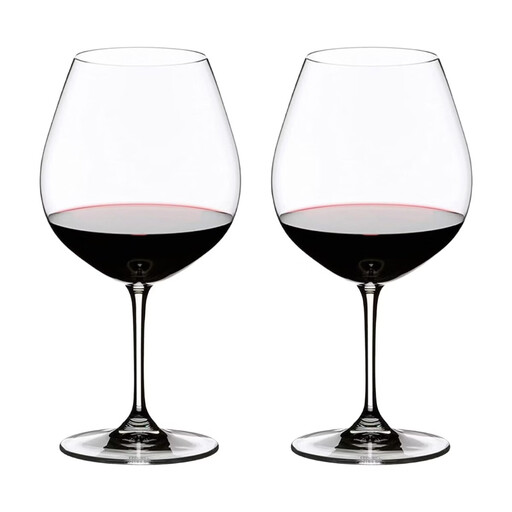
Why this product is a great fit: For lovers of complex red wines like Pinot Noir or Barolo who want to maximise the tasting experience. This glass is a prime example of varietal-specific glass architecture from a renowned manufacturer.
It debunks the myth of the universal glass through its specialisation. The shape is specifically designed to emphasise the fruit and soften the acidity in high-acid wines. The material is clearly declared as lead crystal.
Varietal-specific bowl for the optimal development of aroma and flavour. Made in Germany from high-quality, machine-blown crystal glass.
We've compiled a complete, up-to-date list of products that fully meet these strict selection criteria.
1. Does an expensive wine glass really make a difference in taste? Yes, the shape and material can influence the perception of aromas and the overall taste impression. A thin-walled, varietal-specific crystal glass can significantly enhance the drinking experience of complex wines by directing the aromas to the nose and distributing the wine optimally on the tongue. For simple table wines, however, the difference is less pronounced.
2. What does "dishwasher-safe" actually mean for wine glasses? The term means the glass can withstand a standard dishwasher cycle without immediate damage. However, to extend its lifespan and prevent glass corrosion (cloudiness), it is recommended to use a gentle or glass-specific cycle with a low temperature. Ensure the glasses do not touch each other in the rack. For particularly high-quality glasses, hand washing remains the gentlest method.
3. How many wine glasses do I need for a starter kit? A practical starting point is a wine glass set that includes four to six red wine glasses and white wine glasses each. If you regularly drink sparkling wine or champagne, a separate set of sparkling wine glasses is also a sensible addition. This will leave you well-equipped for most occasions and wine types.