
Lieferung heute & morgen

Qualitätsgarantie

Willkommens-Angebote freischalten: KOSTENLOSE Lieferung | Bis zu 80 % RABATT | Kostenlose 30-Tage-JoyPlus-Testphase
App herunterladen
The range of wine glasses runs from simple designs for everyday use to handmade crystal models for formal dinners. But the price alone won’t tell you whether a glass is right for your household, your wine or your dishwasher. The key things to consider are shape, capacity, material, care instructions and number of glasses.
A wine glass with a capacity of 660 ml, 770 ml or even 950 ml can offer plenty of room for aromas to develop. However, this size isn’t always practical for everyday use: it takes up more storage space, is harder to clean and can look oversized on a small table. For many households, wine glasses with a capacity of 28 cl to 41 cl are more than enough.
Crystal wine glasses often stand out for their clarity and delicate appearance. Even so, it’s worth checking whether a glass is machine-made or handmade, and what care the manufacturer recommends. A handmade glass may have individual characteristics and require particularly careful handling.
Models described as dishwasher-safe wine glasses can go in the dishwasher. However, this doesn’t automatically protect them from clouding, scratches or stress on the stem. Lower temperatures, a glassware programme and enough space between glasses and other dishes can help extend their life. Even if handmade glasses are dishwasher-safe, washing them by hand is often a sensible choice.
Choose a capacity that suits how you plan to use the glass:
The stated capacity isn’t the same as the recommended pour. Often, only around a third of the glass is filled, leaving room to swirl the wine and space at the top for its aromas.
Soda-lime glass is widely used for household glassware and offers a clear, practical option. Crystal glass can have thinner walls, greater brilliance and a more delicate look. When choosing, also check the following:
According to product information from various manufacturers, suitable models meet the requirements of EU Regulation (EC) No 1935/2004 on materials intended to come into contact with food. Always check the details for the specific product.
Pinot Noir glasses often have a larger, rounded bowl for light, aromatic red wines. Cabernet-Merlot glasses and Bordeaux glasses are usually larger, giving full-bodied reds plenty of room. For white wine, Chardonnay glasses with a more generous bowl can be a good choice for richer, oak-aged wines. If you enjoy a range of wines at home, a glass with a versatile shape may be more practical than one designed for a specific grape variety.
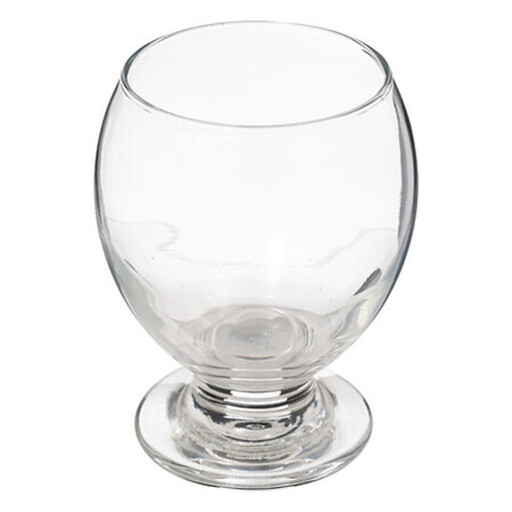
Why this product suits this need: This 28 cl glass is made from clear soda-lime glass. It’s a good fit for smaller households, everyday use and a range of red and white wines.
Its modest capacity means you don’t have to buy a large specialist glass for everyday occasions. The manufacturer says it’s dishwasher-safe.
280 ml capacity, clear glass and dishwasher-safe according to the product information.
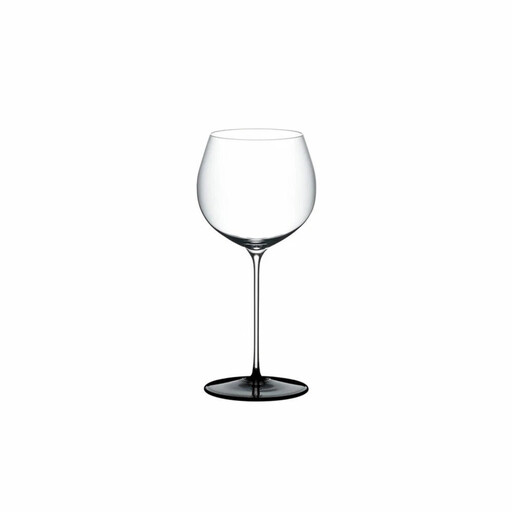
Why this product suits this need: This handmade crystal wine glass combines a generous 660 ml bowl with a hand-crafted stem and a black crystal base.
The product description clearly states that it’s handmade, so you know that slight variations may be part of the craftsmanship.
660 ml capacity, lead-free crystal glass according to the product information, and a hand-crafted stem.

Why this product suits this need: This set of four is designed for hosts and households that regularly serve full-bodied reds such as Cabernet Sauvignon or Merlot.
Its suitability for Cabernet and Merlot is clearly stated. The set size also means you won’t need to mix and match individual glasses when entertaining a group.
834 ml capacity, crystal glass, an optical finish and dishwasher-safe according to the manufacturer.
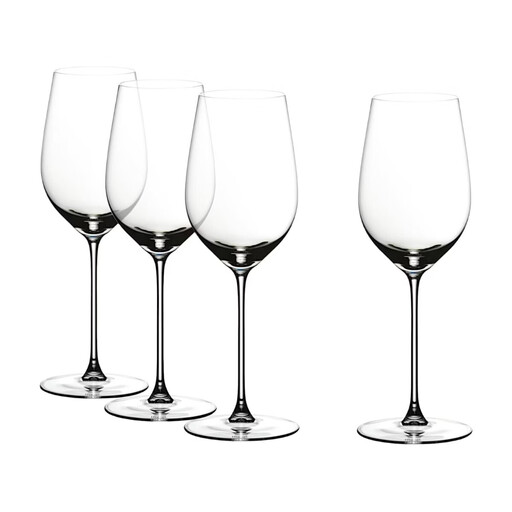
Why this product suits this need: With a capacity of 0.4 l, this set is designed for fruity white wines such as Riesling and certain lighter reds.
The description names specific wine types and states the set size, giving you useful guidance rather than a purely decorative product name.
Four machine-made crystal glasses with a capacity of around 400 ml, and dishwasher-safe according to the product information.
We’ve put together a complete, regularly updated list of products that meet these strict selection criteria and the safety requirements applicable in the EU.
Larger red wine glasses with a rounded bowl are suitable for full-bodied reds. Cabernet, Merlot and Bordeaux wines often benefit from glasses with a capacity of around 625 to 950 ml. Large bowls can also suit lighter reds such as Pinot Noir, but shape shouldn’t be judged by capacity alone.
Yes, as long as you follow the manufacturer’s instructions. Wash dishwasher-safe wine glasses on a gentle programme and avoid placing them too close to other dishes. Even when approved for dishwasher use, handmade models may benefit from careful hand-washing.
Four glasses are often enough for two people. A set of four wine glasses is practical for smaller households and intimate gatherings. If you regularly entertain or serve different types of wine at the same time, having eight or more matching glasses can make setting the table and storing them easier.