
Lieferung heute & morgen

Qualitätsgarantie

Willkommens-Angebote freischalten: KOSTENLOSE Lieferung | Bis zu 80 % RABATT | Kostenlose 30-Tage-JoyPlus-Testphase
App herunterladen
The choice of wine glasses ranges from individual glasses and wine glass sets to versatile glassware sets for wine, cocktails and soft drinks. Product pages often focus on design and terms such as ‘elegant’, but capacity, material, care instructions and intended use are the key factors when choosing the right glasses.
A glass with a capacity of 210 ml or 448 ml won’t necessarily be filled to the brim. Wine glasses are usually left with space so the wine can breathe and the glass can be handled safely. A large red wine glass also takes up more storage space than a compact glass for everyday use.
‘Dishwasher-safe’ doesn’t mean that every programme and detergent is equally suitable. High temperatures, harsh dishwasher tablets and contact with other crockery can cause clouding, scratches or damage to the stem. The finish on coloured wine glasses may also be more susceptible to abrasive cleaning.
Not every drinking glass is suitable for hot liquids. Soda-lime glass and crystalline glass are intended for cold or room-temperature drinks, unless the manufacturer states otherwise. A sudden change between very cold and hot temperatures can cause thermal shock. For outdoor parties, plastic glasses made from PP or polystyrene can be a practical alternative to breakable glass.
When choosing white wine glasses, red wine glasses or versatile wine glasses, consider the following:
Clear glass shows the drink’s colour and level as they are. Coloured wine glasses, on the other hand, add a decorative touch and can make it easier to tell glasses apart at parties. If you’re choosing tinted glass, check whether hand-washing is recommended.
For households with children, picnics or events with lots of guests, shatter-resistant plastic glasses can be a good choice. However, they’re not automatically suitable for hot drinks, microwaves or high temperatures. Before buying, check the material, temperature range and food-contact information in the product description.
Individual glasses are useful for topping up an existing collection. A wine glass set makes sense if several people regularly drink together. For a dinner party or hospitality setting, a set of six or twelve glasses gives you spares in case of breakages and makes it easier to set the table for extra guests.
Check:
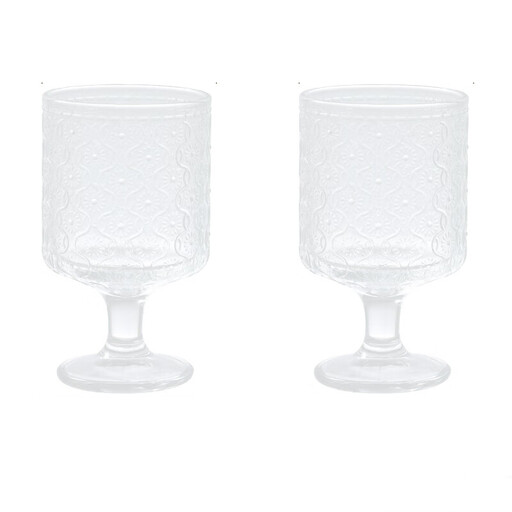
Why this product suits this buyer: This two-piece set has a capacity of 200 ml per glass, making it a practical addition for couples or small households that only need a few wine glasses to start with.
The number of glasses and their capacity are clearly stated, making it easier to check what you need against the crockery you already have before buying.
Two compact 200 ml glasses for smaller servings of wine.
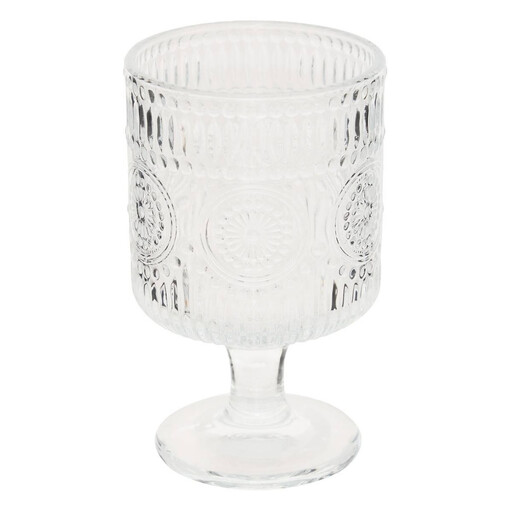
Why this product suits this buyer: With its clear, tulip-shaped design and 210 ml capacity, this glass is a good choice for anyone who prefers a clean presentation and a distinctive shape.
The product details specify the material, a temperature range of 0 °C to 60 °C and that the glasses can be cleaned using the glassware programme on a dishwasher.
Transparent soda-lime glass, a capacity of 21 cl and a tulip-shaped bowl.
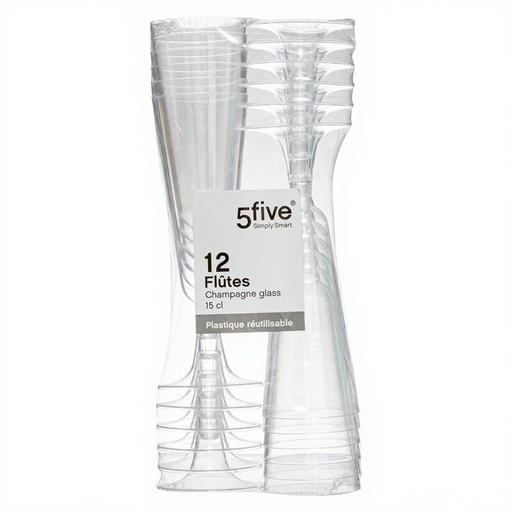
Why this product suits this buyer: For parties, picnics, camping and events, this set of twelve offers plenty of glasses and a lower risk of breakages than conventional glassware.
The product details specify that the glasses are made from polystyrene and are suitable for cold drinks. They’re not dishwasher-safe, according to the product description, so they should be washed by hand.
12 clear plastic glasses with a capacity of 150 ml, suitable for indoor and outdoor use.
We’ve put together a complete, regularly updated list of products that meet these strict selection criteria and the safety regulations in force in the EU.
Two to four glasses are often enough for two people. If you regularly have guests, you could opt for a set of six or twelve wine glasses. Consider the size of your table, your storage space and whether you’d like separate glasses for red wine, white wine, sparkling wine and cocktails.
No. It depends on the product. Some clear wine glasses are designed for a glassware programme, while coloured glasses or delicate stemmed designs should be washed by hand. Always follow the manufacturer’s instructions.
Sets with more glasses are useful for events with lots of guests. For outdoor use or when children are around, plastic glasses made from PP or polystyrene can reduce the risk of breakages. However, they’re only suitable for the drinks and temperatures specified in the product description.