
Lieferung heute & morgen

Qualitätsgarantie

Willkommens-Angebote freischalten: KOSTENLOSE Lieferung | Bis zu 80 % RABATT | Kostenlose 30-Tage-JoyPlus-Testphase
App herunterladen
Choosing the right drinking glasses seems straightforward at first glance. The reality, however, is that many buyers soon face issues like glass corrosion, chipping, or impractical designs shortly after their purchase. Certain marketing promises and hidden material weaknesses often lead to unnecessary expenses. This guide will help you identify the crucial features and make an informed decision for your home or hospitality business.
Before exploring different designs, it's important to understand the typical pitfalls that compromise the longevity and functionality of drinking glasses.
To avoid the problems mentioned above, you should check three core technical parameters before buying. These determine the durability, safety, and intended use of your new glasses.
The material is the most critical factor for longevity and purpose.
The sturdiness of a glass is directly related to its wall thickness and base.
The size and shape should match the primary intended use.
Based on the criteria above, we have identified several products that are well-suited for specific user groups.
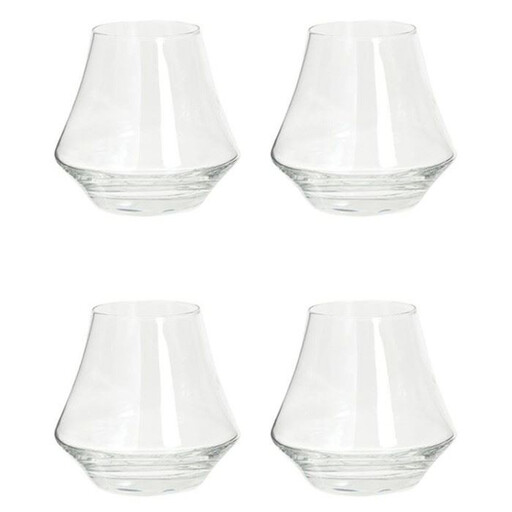
Why This Fits Their Persona: This glass set is ideal for daily use. The classic tumbler shape is universally suitable for water, juices, or spritzers. With a 290 ml capacity, it's a practical, standard size for any household.
The minimalist design, free of delicate elements, reduces the risk of chipping. Its balanced wall thickness offers a great compromise between elegance and everyday durability.
Made from lead-free soda-lime glass. According to the manufacturer, the set is suitable for gentle cleaning in the dishwasher.
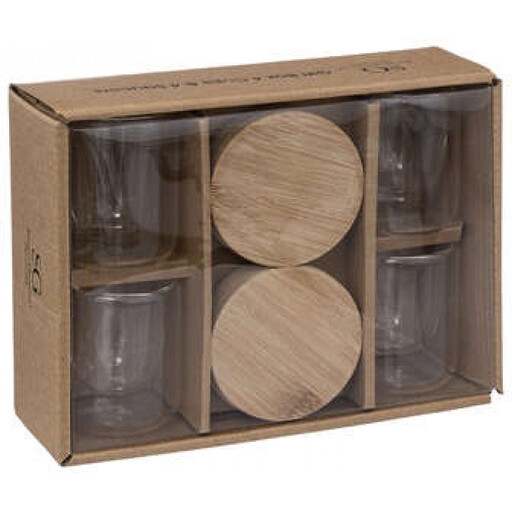
Why This Fits Their Persona: Perfect for espresso, tea, or small coffee specialities. These double-walled glasses keep the beverage at temperature for longer, while the outside remains comfortably cool to the touch. The 80 ml size is ideal for a double espresso.
The double-walled construction is explicitly designed for hot beverages, preventing thermal shock. The insulating effect protects your hands and keeps the drink warm for longer.
Suitable for hot and cold drinks. According to the manufacturer, the glasses are scratch-resistant, dishwasher-safe, and microwave-safe.
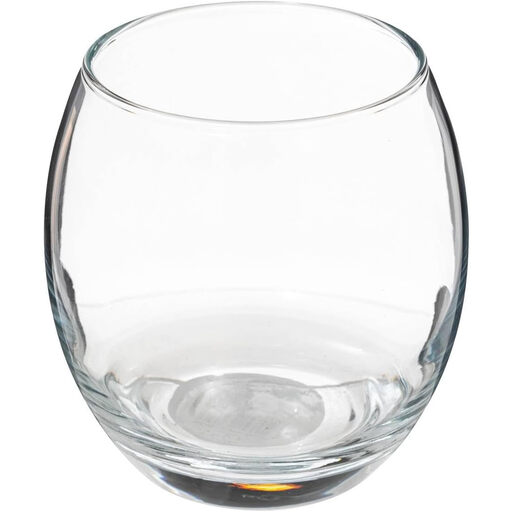
Why This Fits Their Persona: According to the manufacturer, this glass is explicitly designed for professional use in restaurants or at events. Its large 400 ml capacity is excellent for water, long drinks, or large juices.
The robust construction is designed for high-frequency use and the demands of professional dishwashers. Its classic design is timeless and less prone to damage than trendier alternatives.
Large volume (40 cl) and suitable for professional use. Supplied in packs of 8, ideal for stocking bars and restaurants.
We have compiled a complete, up-to-date list of products that fully meet these strict selection criteria and safety standards.
Yes, this can happen even with glasses labelled as dishwasher-safe. The process is called glass corrosion and is often an irreversible chemical reaction accelerated by a combination of soft water, high temperatures, and aggressive detergents. To minimise this, it is advisable to select a lower-temperature wash cycle (max. 55 °C), adjust the detergent dosage, and place the glasses in the rack so they do not touch.
The term tumbler glass typically refers to a drinking glass with a thick, flat base and no stem or handle. Originally, they were designed not to tip over. Today, the solid base is primarily a design feature that provides stability, making them a popular choice for whisky glasses and cocktails. The term water glasses is more general and includes tumblers as well as other shapes, such as thinner-walled cups. In practice, the terms are often used interchangeably.
Yes, although double-walled glasses are typically made from durable borosilicate glass, they are still breakable. The greatest risk comes from physical impacts or being dropped. Another weak point can be the small silicone seal on the base, which equalises the pressure between the glass walls. If this seal is damaged, water can enter the space between the layers during washing, rendering the glass unusable. Careful handling is therefore essential.