
Lieferung heute & morgen

Qualitätsgarantie

Willkommens-Angebote freischalten: KOSTENLOSE Lieferung | Bis zu 80 % RABATT | Kostenlose 30-Tage-JoyPlus-Testphase
App herunterladen
The selection of wine glasses ranges from classic stemmed designs and colourful models to shatter-resistant plastic alternatives. However, choosing the right glass is not simply a matter of shape. Capacity, material, cleaning requirements and intended use all determine whether a wine glass remains practical in everyday life.
A 41 cl wine glass offers generous capacity and plenty of room for swirling. However, tall glasses can be impractical in small apartments, narrow cupboards or compact dishwashers. Large glasses are also often overfilled. For controlled portioning, wine should only be poured to around one-third of the glass’s total capacity.
Plastic wine glasses made from PP or polystyrene are lighter and less problematic if dropped than glass alternatives. However, this does not mean that every model is suitable for hot drinks, microwaves or intensive dishwasher programmes. Before buying, check the material, temperature guidance and cleaning recommendations.
With dishwasher-safe glasses, aggressive detergents, high temperatures and contact with other cutlery can cause scratches or clouding over time. A glassware programme at a lower temperature is usually gentler. For delicate stemware, hand washing can help extend its service life.
Red wine glasses often feature a larger, rounder bowl. White wine glasses are generally more compact, helping chilled drinks retain their temperature for longer. Rosé glasses typically sit somewhere between the two. Shape enhances presentation and handling, but it does not replace the need to serve wine at the appropriate temperature.
Classic soda-lime glass is transparent, allowing the wine’s colour and clarity to be appreciated. It is suitable for cold drinks but is not heat-resistant. According to product information, sudden temperature changes of more than 60°C can create stress and cause breakage. Boiling water should therefore never be poured into this type of glass.
PP glasses made from polypropylene are lightweight and well suited to families, picnics and terrace parties. They are particularly appealing as shatter-resistant glasses for households with children. Even so, plastic glasses should be checked for cracks and used only in accordance with the manufacturer’s instructions.
Polystyrene models are intended for cold drinks. With disposable or party versions, you should also check whether they are dishwasher-safe and designed for repeated use.
Before first use, glasses should be washed with warm water and a mild dishwashing detergent. For storage:
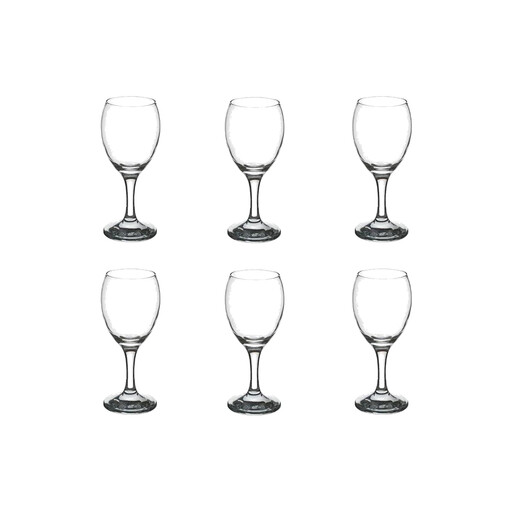
Why it suits this profile: Its compact format is well suited to everyday meals, smaller wine servings and homes with limited storage. The transparent soda-lime glass complements red wine, white wine and rosé.
The stated 20 cl capacity prevents an oversized glass from taking up unnecessary space.
Dishwasher- and microwave-safe according to the product information; designed for food contact.
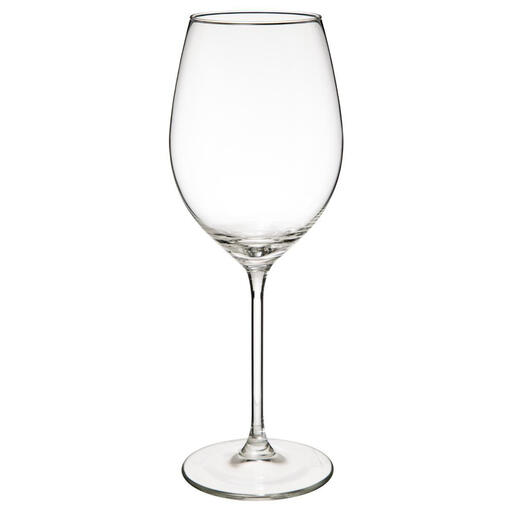
Why it suits this profile: The 41 cl bowl provides generous room for swirling and is ideal for anyone who prefers to serve red wine, white wine or rosé in a larger glass.
The generous design is clearly considered alongside storage and handling requirements, rather than being judged on appearance alone.
Dishwasher-safe; 22.1 cm tall with a 410 ml capacity according to the product data.
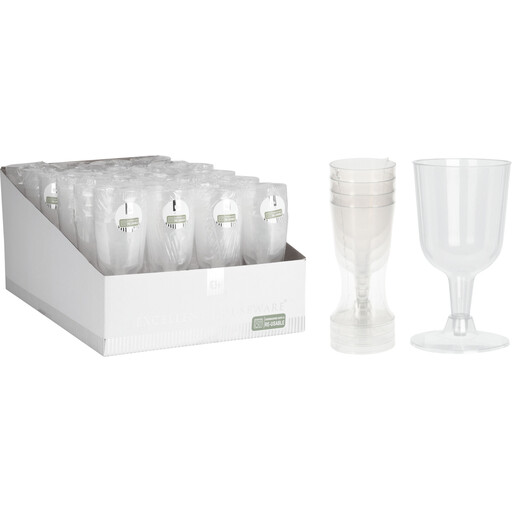
Why it suits this profile: This transparent PP set is designed for terraces, picnics, gardens and family homes where low weight and shatter resistance are important.
The material is explicitly described as a shatter-resistant alternative; nevertheless, use remains limited to the stated conditions.
Four glasses per set, lightweight PP construction and dishwasher-safe according to the product description.
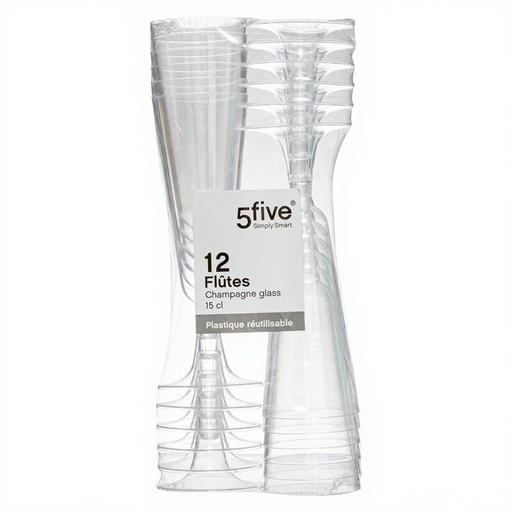
Why it suits this profile: For birthdays, garden parties, camping trips and events with many guests, this set provides a coordinated glassware collection for sparkling wine, Champagne, Prosecco and chilled cocktails.
The product information clearly specifies cold drinks, hand washing and no microwave use.
12 glasses, a 150 ml capacity and low weight; described as a lightweight alternative to conventional sparkling wine glasses.
Cocktails, soft drinks and long drinks do not necessarily require wine glasses. The Secret de Gourmet Enric's Eau Coloured Wine Glass has a 28 cl capacity and a colourful design. It can be used for both wine and cocktails. For smaller servings, the Analya glass tumbler with a 10 cl capacity offers a compact format for aperitifs and spirits.
For larger drinks, long-drink glasses are a better choice, such as the six-piece Colori'Eau set with a 310 ml capacity. It is dishwasher-safe and designed for soft drinks and cocktails. For small cocktails, shots or tastings, the 20-piece set of faceted plastic cocktail glasses with a 6 cl capacity can be a useful addition.
Joybuy offers an evolving selection of glasses in a range of capacities and materials, suitable for a variety of occasions. Before purchasing, check the individual product information regarding cleaning, temperature and intended use.
For families and outdoor events, PP plastic wine glasses are a practical option. They are lighter than glass and described as shatter-resistant according to the product information. Nevertheless, children should use them only under supervision. The plastic and polystyrene models mentioned above are not intended for hot drinks.
No. Suitability depends on the individual product. According to the product information, the Paola and Lina wine glasses, as well as the Colori'Eau long-drink set, are dishwasher-safe. By contrast, the 5Five plastic Champagne glasses are recommended for hand washing. A lower temperature setting and a suitable glass holder can help reduce strain.
There is no fixed service life. It depends on the glass thickness, stem construction, storage, cleaning routine and risk of dropping. Cracks, chips and visible scratches are all reasons to stop using a glass. For frequent entertaining or outdoor use, a plastic wine glass set can reduce the risk of breakage compared with conventional glassware.