
Lieferung heute & morgen

Qualitätsgarantie

Willkommens-Angebote freischalten: KOSTENLOSE Lieferung | Bis zu 80 % RABATT | Kostenlose 30-Tage-JoyPlus-Testphase
App herunterladen
Choosing the right wine glasses might seem straightforward at first. In practice, though, unclear capacity details, delicate materials and unsuitable shapes often lead to disappointing purchases. A glass may look appealing, but be too fragile, too small or too difficult to clean for the way you plan to use it.
Three buying misconceptions are particularly common:
For everyday use, wine glasses with a capacity of 21 cl up to around 36 cl are versatile. A 21 cl wine glass is suitable for smaller servings, wine tastings and compact table settings. A 36 cl wine glass gives you more room to swirl the wine and works well for both red and white wine.
Capacity refers to the glass’s maximum volume, not the recommended pour. As a practical guide, you can pour wine to around a third of the glass’s height or capacity. This leaves room to appreciate the aromas and move the glass safely.
Classic glass drinking glasses are made from materials such as soda-lime glass, crystal glass or crystal, depending on the product. Clear styles show off the colour and clarity of your drink, but are inherently breakable. Cracks, chips and deep scratches are all reasons to stop using a glass.
For picnics, patios, camping or parties with lots of guests, shatterproof plastic wine glasses can be a practical alternative. According to the product description, the 160 ml polypropylene model is dishwasher-safe and suitable for red, white and rosé wines. However, don’t use plastic glasses for hot drinks unless the manufacturer explicitly says they’re suitable.
Before buying, check the care instructions in the product description. For soda-lime glass, avoid pouring in boiling liquids and exposing it to sudden changes in temperature. Many styles are not suitable for use in a microwave or oven.
To help your glasses last longer:
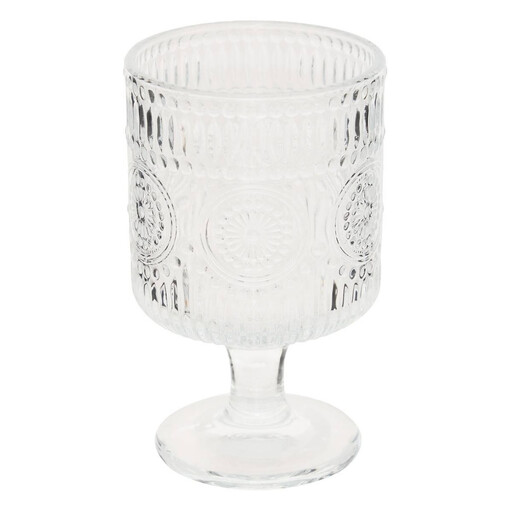
Why this product suits this profile: This 21 cl glass is made from clear, lead-free soda-lime glass. It’s suitable for red, white and rosé wine, making it a good fit for smaller households and everyday meals.
The clearly stated capacity helps you avoid mistaking a glass that looks large for one that calls for a large pour. The care instructions specify a temperature range of 0 °C to 60 °C.
A tulip-shaped bowl, 210 ml capacity and, according to the product details, suitability for a gentle dishwasher cycle.
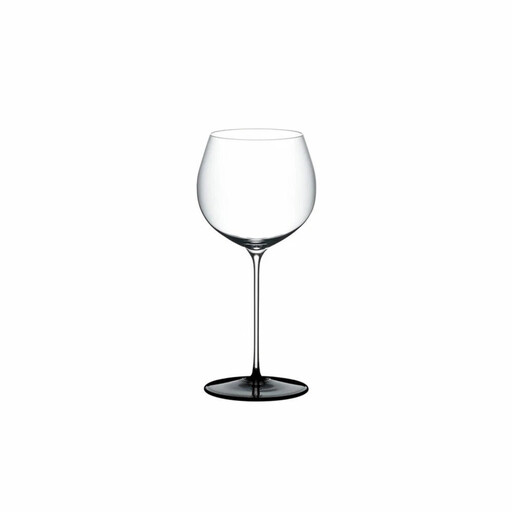
Why this product suits this profile: This handmade, lead-free crystal glass with a black base is for buyers who value the material, craftsmanship and a distinctive table setting.
The product details explicitly recommend hand-washing and careful handling of the stem and base. This makes it clear that the delicate material needs more care than an everyday glass.
660 ml capacity, handmade lead-free crystal and a distinctive colour combination of a clear bowl and black base.
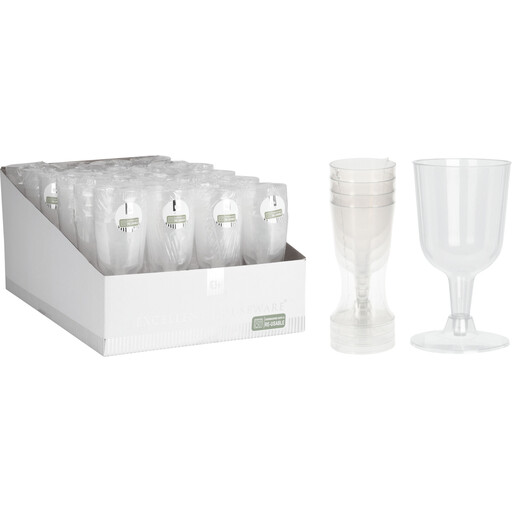
Why this product suits this profile: This polypropylene wine glass set is designed for families, garden parties, poolside areas and other situations where there’s a higher risk of breakages.
The product description states that the material is shatterproof and suitable for outdoor use. This makes it a better-defined choice for these occasions than delicate glass.
Four glasses, each with a 160 ml capacity; lightweight, clear in appearance and, according to the product details, dishwasher-safe.
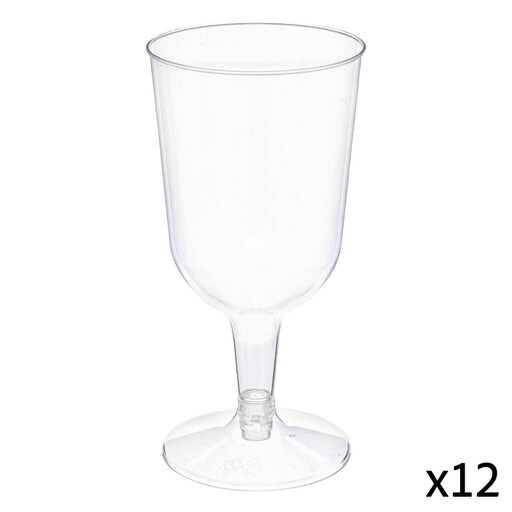
Why this product suits this profile: This set of twelve clear glasses, each with a 15 cl capacity, is ideal for larger households, events, restaurants, bars and celebrations where a matching table setting matters.
The set size is clearly stated, making it easier to plan what you’ll need for a party or catering business without having to combine several individual glasses.
12 glasses, each with a 150 ml capacity; clear design and, according to the product description, dishwasher-safe.
We’ve put together a complete, regularly updated list of products that meet these strict selection criteria and fully comply with the safety regulations in force in the EU.
With clear glass wine glasses, take particular care to avoid knocks to the rim and stem. A soft cloth helps prevent water marks, while storing glasses separately reduces the risk of scratches. Coloured styles, such as a 21 cl rosé-coloured glass, need extra care: the product details recommend hand-washing, and abrasive products may affect the tint.
For sparkling wine and champagne glasses, pour slowly down the side of the glass. Keep plastic styles away from naked flames; they’re generally intended for cold drinks only. Always follow the manufacturer’s specific instructions.
Around 20 to 36 cl is a versatile range for everyday use. A 21 cl wine glass takes up less storage space and is suitable for controlled pours. A 36 cl style gives you more room to swirl the wine and works well for fuller-bodied reds or whites.
They can be a sensible option for outdoor events, family celebrations and parties, as they won’t shatter like glass if dropped. However, they don’t automatically offer the same material qualities or feel as traditional glass drinking glasses. Before buying, check the temperature range, cleaning instructions and whether they can be reused.
There’s no single answer, as it depends on the material, how the glasses are used, cleaned and stored. Glasses can be damaged by knocks or thermal shock. Regularly checking them and caring for them gently can help you spot and remove damaged glasses in good time.