
Lieferung heute & morgen

Qualitätsgarantie

Willkommens-Angebote freischalten: KOSTENLOSE Lieferung | Bis zu 80 % RABATT | Kostenlose 30-Tage-JoyPlus-Testphase
App herunterladen
A fine wine deserves to be opened with the right tool. But the market for wine openers can be overwhelming. From simple corkscrews to complex electric sets, the selection is vast, and not every product lives up to its promise. Many models turn out to be short-lived gadgets that cause more frustration than joy.
As your Joybuy Product Recommendation Officer, I'm here to help you separate the wheat from the chaff. In this guide, I'll show you the critical features to look for and how to avoid the three most common pitfalls when buying a wine opener, ensuring you find a model that is both reliable and durable.
Before we get to the solutions, let's identify the problems. Many buyers invest in a wine opener that becomes useless after a short time. This is often due to these three weaknesses:
To avoid these issues, you should check three core aspects before buying. These will determine the longevity and functionality of your tool.
The choice of material is crucial for stability. Look for models where the main mechanical components—especially the worm and the lever—are made of high-quality stainless steel. While die-cast zinc is often used for the body and can offer an attractive finish, stainless steel is the more robust choice for load-bearing parts. A solid waiter's friend (also known as a sommelier knife) made of stainless steel is often a more durable investment than a visually impressive but mechanically weak wing corkscrew.
A good worm is not solid but has a hollow channel down the middle—the so-called "soul". This design allows the worm to wrap around the cork instead of displacing and damaging it. The edges should be rounded to glide smoothly into the material. An additional non-stick coating (often Teflon-based) significantly reduces friction, making it easier to both insert the worm and pull the cork.
The type of opener should match your needs:
Based on the criteria above, we have identified a few models that are well-suited for different user profiles and needs.
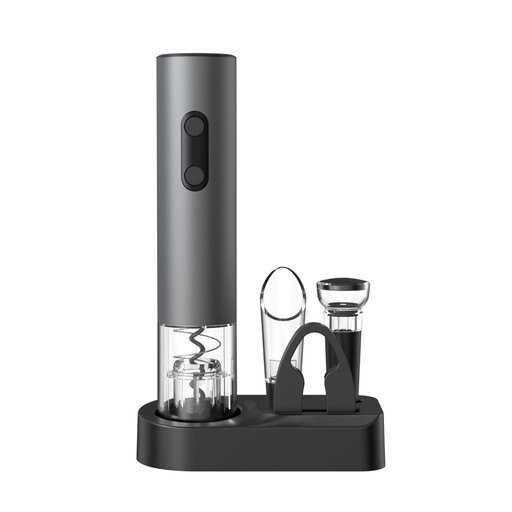
Why it's a match: Ideal for anyone who appreciates effortless, one-touch opening. It requires no force, making it suitable for individuals with limited hand strength or arthritis. The set also makes a practical gift for wine lovers.
This model avoids the trap of unnecessary complexity by relying on a simple, battery-powered mechanism. There are no complicated charging cables or built-in batteries that lose performance over time.
A complete wine opener set including a foil cutter, pourer, vacuum pump, and storage base. The one-button operation automatically removes the cork in seconds.
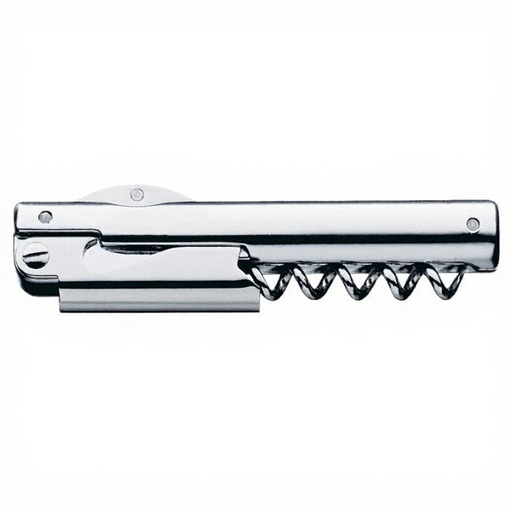
Why it's a match: For wine lovers who value professional quality, feel, and durability. This sommelier knife combines classic design with high-quality materials and precise functionality.
It avoids the pitfall of material fatigue by being crafted from chrome-plated die-cast metal. The robust construction and proven lever mechanism are designed for durability and reliable performance.
A professional 3-in-1 tool: foil cutter, corkscrew, and cap lifter in one. The single-step lever mechanism allows for effortless and controlled cork removal.
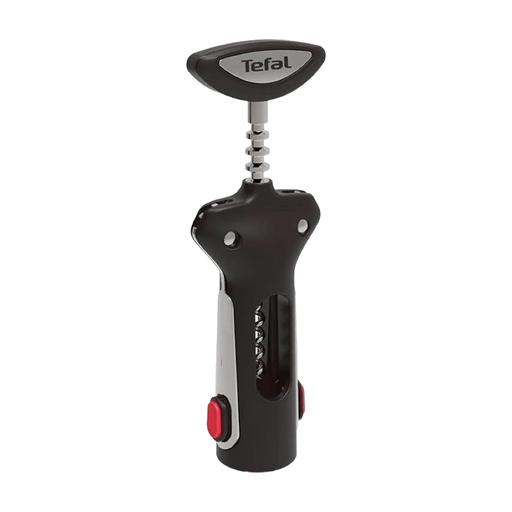
Why it's a match: A straightforward and reliable tool for everyday use. The wing mechanism is intuitive and requires little effort. Its robust construction makes it a durable tool for the kitchen and bar.
This model avoids the pitfall of cork breakage with a well-centred worm that securely grips the cork. The wing mechanism ensures a straight, vertical pull, minimising the risk of the cork crumbling.
2-in-1 functionality with an integrated foil cutter for seamless operation. The sturdy plastic construction is durable and easy to clean.
We have compiled a complete, up-to-date list of products that fully meet these strict selection criteria and relevant safety standards.
1. How do you clean a wine opener correctly? Most wine openers, especially those with mechanical parts or wooden elements, should not be put in the dishwasher. Simply wipe the worm and body with a damp cloth after use to remove any wine residue. Then, dry the tool thoroughly to prevent rust on any metal parts.
2. Which wine opener is best for old wines with brittle corks? For old, potentially fragile corks, control is key. A high-quality waiter's friend (sommelier knife) is often a great choice, as its two-step lever allows for a very slow and gentle removal of the cork. Alternatively, corkscrews with a long, thin, and coated worm (with a "soul") are suitable because they provide maximum grip on the cork with minimal stress.