
Lieferung heute & morgen

Qualitätsgarantie

Willkommens-Angebote freischalten: KOSTENLOSE Lieferung | Bis zu 80 % RABATT | Kostenlose 30-Tage-JoyPlus-Testphase
App herunterladen
If you want to buy wine and sparkling wine online, you’ll quickly find a wide selection from Germany, Italy, France, Spain and other wine-producing regions. The challenge isn’t so much the range as knowing what to look for: does the sweetness suit your taste? Is one bottle enough for the occasion? And are labels such as organic, vegan, DOC or Cava clearly explained?
Use the following criteria to avoid common buying mistakes and choose the right products for an aperitif, to serve with a meal, for celebrations or to keep in stock.
‘Medium dry’, ‘mild’, ‘brut’ and ‘extra dry’ don’t form a single scale across all types of drink. For still wine, medium dry refers to a specific residual sugar range. Sparkling wine, on the other hand, uses terms such as brut, extra dry, sec and demi-sec.
One particularly confusing point: Prosecco labelled ‘extra dry’ may contain more residual sugar than one labelled ‘brut’. So if you prefer dry sparkling wine, don’t rely on a familiar term alone. Check the product description and, where available, the nutritional information.
Prosecco, Cava and Champagne aren’t interchangeable terms for sparkling wine. Champagne comes from the Champagne region of France. Prosecco DOC is made from approved grape varieties in designated regions of Italy. Cava is a Spanish quality sparkling wine with its own designation of origin and traditional bottle fermentation.
However, origin alone doesn’t tell you whether a drink will suit your taste. Acidity, sweetness, grape variety and serving temperature are still important points of comparison.
A single 0.75-litre bottle may be enough for a small aperitif. For a larger celebration, a six-bottle pack of wine or a multipack of sparkling wine is often more practical. Smaller 0.2-litre bottles are useful for individual servings, while a 3-litre bag-in-box format can save space and reduce the number of times you need to open a bottle during a longer get-together.
Before buying, compare the number of bottles, total volume and storage space you have available.
For white wine, grape varieties such as Riesling, Chardonnay, Silvaner, Sauvignon Blanc and Pinot Blanc can give you a helpful starting point. Riesling is often associated with fresh acidity, while Chardonnay can vary depending on its origin and how it’s made. However, the grape variety isn’t a substitute for a specific flavour description.
For medium-dry wine, information about residual sugar and acidity is particularly useful. For sparkling wine, also check the dosage term:
Many wines and sparkling wines contain around 7–13% alcohol by volume, but this can vary from product to product. For example, Cinzano Asti Spumante DOCG is listed at 7% vol., while several white wines and sparkling wines in the range are between 11 and 12.5% vol.
Nutritional information per 100 ml makes it easier to compare products. It includes details such as energy, carbohydrates and sugar. If you have allergies, look out for the ‘contains sulphites’ label, which appears on several of the products listed here.
If you’re looking for organic or vegan wine, check the product details for a specific label. Biorebe products are explicitly described as organic and vegan. ‘Vegan’ refers to the production process, such as avoiding animal-based fining agents, rather than to a particular taste.
Geographical labels such as DOC, DOCG and Cava should also be understood as indications of origin and production, not as automatic assessments of taste.
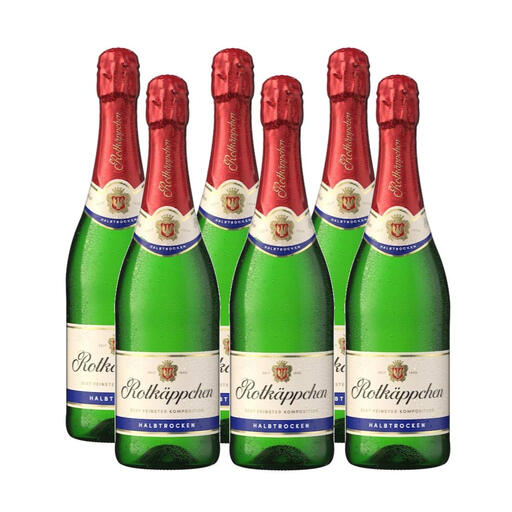
Why this product suits this profile: The six-pack of 0.75-litre bottles makes it easy to plan for larger households, entertaining and regular occasions. The stated alcohol content is 11% vol.
The pack size makes the quantity clear. The product details also specify storage, serving temperature and sulphite information.
Six standard bottles, a medium-dry style and made in Germany, according to the product description.
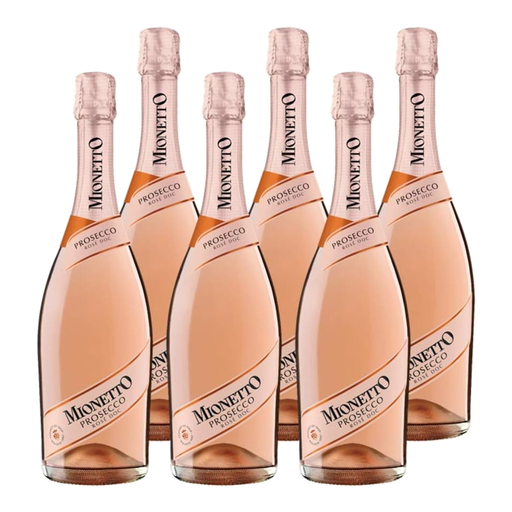
Why this product suits this profile: According to the product description, this Prosecco Rosé DOC is made from 85% Glera and 15% Pinot Noir. It is listed at 11% vol. and has a recommended serving temperature of 6–8 °C.
The grape varieties, designation of origin, pack size and style are all clearly specified, rather than described through general marketing claims alone.
DOC designation, Millesimato label, rosé style and a six-pack of 0.75-litre bottles.
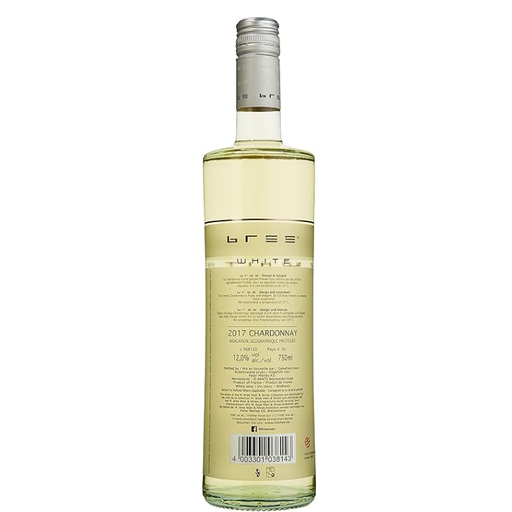
Why this product suits this profile: The 3-litre bag-in-box format is ideal for longer get-togethers where drinks are poured by the glass. According to the product description, the alcohol content is 12% vol.
The total volume is stated clearly. The tap lets you pour individual servings without opening several bottles; follow the manufacturer’s storage instructions once opened.
Chardonnay in a 3-litre format, with a bag-in-box system described as keeping the wine fresh for longer when stored in a cool place.
We’ve put together a complete, regularly updated list of products that meet these strict selection criteria and fully comply with the safety regulations in force in the EU.
White wine is often served at around 8–12 °C, while sparkling wine is usually served cooler. The manufacturer’s specific recommendation should take priority. Store unopened bottles in a cool, dark place, away from direct sunlight and significant temperature fluctuations.
Once opened, sparkling wine loses its fizz and quality more quickly. A suitable stopper and cool storage can help it keep for longer, but it should still be consumed promptly. How long still wine lasts after opening depends, among other things, on the grape variety, how much is left in the bottle and how it is stored.
In Germany, alcoholic drinks may only be sold to adults who have reached the legal minimum age. Alcohol should be avoided during pregnancy. Please keep bottles out of the reach of children and drink responsibly.
It depends on the length of the event, the number of guests and what other drinks you’re serving. Smaller quantities are often enough for a short reception, while a six-pack or multipack can make planning easier for a celebration lasting several hours. You should also have non-alcoholic drinks available.
There’s no set answer. Sparkling wine should be sealed well, kept chilled and drunk as soon as possible, as it gradually loses its fizz. For still wine, follow the manufacturer’s guidance and use its smell, taste and appearance as a guide.
Dry sparkling wine, Brut sparkling wine, Prosecco or a light white wine can all be served as an aperitif. If you prefer something sweeter, consider medium-dry, Sec or Demi-Sec styles. When serving wine with food, match its acidity, sweetness and intensity to the dish.