
Lieferung heute & morgen

Qualitätsgarantie

Willkommens-Angebote freischalten: KOSTENLOSE Lieferung | Bis zu 80 % RABATT | Kostenlose 30-Tage-JoyPlus-Testphase
App herunterladen
When central heating isn't enough, or you need to heat a specific room, a portable heater is often the go-to solution. The market offers a plethora of options, from compact fan heaters to powerful radiators. However, the choice is more complex than it seems. Many devices make lofty claims that can lead to disappointment and unexpectedly high electricity bills in practice.
Before you make a decision, it's crucial to understand the most common pitfalls. This will ensure your investment actually provides the desired warmth without becoming a cost trap.
To make an informed decision, you should carefully examine three technical aspects. These determine the efficiency, comfort, and safety of your heater.
Not every electric heater works the same way. The technology determines how quickly and in what manner the heat is distributed.
A heater's power is specified in watts (W). A common rule of thumb is that you need about 80 to 100 watts of heating power per square meter to heat a room with normal insulation. A 20 m? room, therefore, requires a device with approximately 2000 watts.
However, more important than raw maximum power are smart control features that help optimize energy consumption:
A safe portable heater should come standard with the following protective mechanisms:
Here are some recommendations tailored to different needs and use cases.
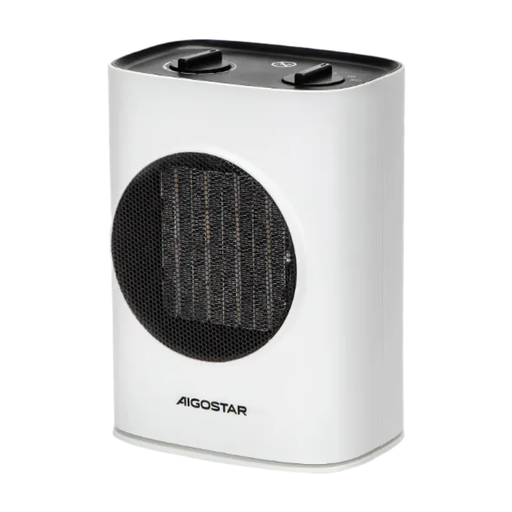
Why This Fits Their Persona: Ideal for users seeking a straightforward and cost-effective solution for quickly heating a small space like a study or hobby corner. Operation is simple and streamlined to the essentials.
This model bypasses the cost trap with two selectable power levels, providing basic control over consumption. It includes necessary safety standards like overheat protection and tip-over protection.
Rapid heat-up via PTC heating technology; 45° oscillation for better heat distribution in the immediate area.

Why This Fits Their Persona: Perfect for regular use in living rooms or bedrooms where quiet operation, precise temperature control, and energy efficiency are top priorities. The remote control adds to the convenience.
This model actively counters the cost trap with an Eco mode and a precise thermostat (5–35°C). According to the manufacturer, its 34 dB operation is very quiet, avoiding the pitfall of loud and disruptive fan heaters.
Energy-saving mode to reduce consumption; 8-stage safety system; 12-hour timer.
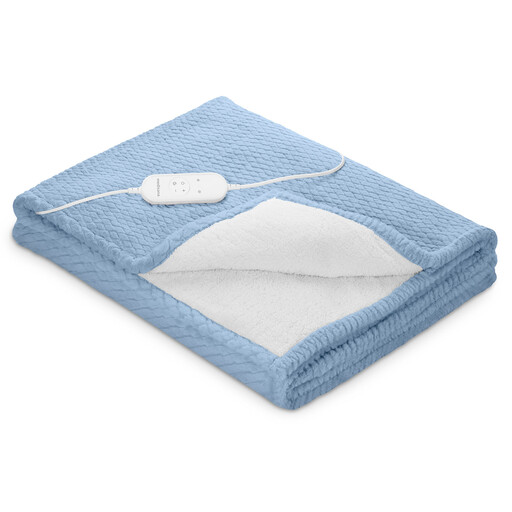
Why This Fits Their Persona: For anyone seeking targeted, direct body warmth instead of heating an entire room. Ideal for cozy evenings on the sofa or for pre-warming the bed on cold days. It can also be used as a heating pad alternative.
An electric blanket is a highly efficient method for feeling warm, as it operates on very low power, thus bypassing the cost trap of room heating. Safety features like overheat protection and an automatic shut-off are integrated.
Very low power consumption; 9 temperature settings for individual adjustment; machine washable thanks to a detachable controller.
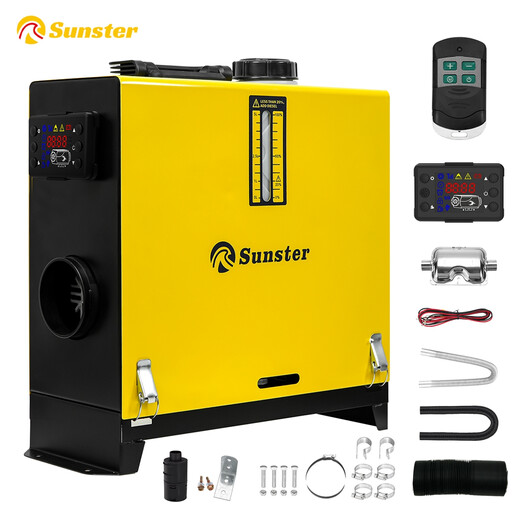
Why This Fits Their Persona: Provides a powerful, off-grid heating solution for RVs, trucks, boats, or workshops. This diesel air heater is designed for use in large, poorly insulated, or mobile environments.
This specialized device avoids the trap of insufficient heating power by relying on a different energy source (diesel) and a high rated output (8 kW). It is intended for applications where a conventional electric heater would be impractical.
Very high heating output; off-grid operation via 12V/24V vehicle battery; low fuel consumption for continuous operation.
We have compiled a complete, up-to-date list of products that fully meet these strict selection criteria and German safety regulations.
1. How much electricity does a heater use? The electricity consumption depends on the power (watts) and the operating time. You can easily calculate the cost: Power in kilowatts (kW) × operating hours × electricity price per kilowatt-hour (?/kWh). Example: A 2000-watt heater (2 kW) running for three hours at an electricity price of ?0.30/kWh will consume: 2 kW × 3 h × ?0.30/kWh = ?1.80. A device with a good thermostat does not run continuously, thus helping to reduce operating hours and costs.
2. Which heater is suitable for the bedroom? For the bedroom, quiet and safely regulated devices are ideal. An oil-filled radiator is a great choice as it operates silently and provides even, long-lasting heat. Alternatively, modern ceramic fan heaters with a special quiet mode and a precise thermostat are suitable for keeping the temperature constant without disturbing sleep. A timer for automatic shut-off is also a useful feature.
3. Are portable heaters safe to operate? Yes, as long as they have the necessary safety features and are used correctly. When buying, be sure to look for integrated overheat protection and a tip-over switch. Always place the device on a firm, level surface, maintain sufficient distance from flammable materials like curtains or furniture, and never cover it.