
Lieferung heute & morgen

Qualitätsgarantie

Willkommens-Angebote freischalten: KOSTENLOSE Lieferung | Bis zu 80 % RABATT | Kostenlose 30-Tage-JoyPlus-Testphase
App herunterladen
Finding the right men's jacket can quickly become overwhelming. The market is flooded with models promising protection, style, and functionality. But not every jacket lives up to its advertising. Certain marketing terms and hidden defects often lead to purchases you'll later regret. This guide will help you identify the crucial features and make an informed choice.
Before you make a decision, you should be aware of the most common traps that lead to unsuitable purchases.
To avoid a bad buy, focus on objective, measurable criteria. These three parameters are crucial for the performance and longevity of your jacket.
The outer material determines the jacket's durability and basic protection. However, the critical component for weather protection is often an integrated membrane.
The choice of insulation depends on the intended use and personal preference.
The best technology is of little use if the jacket doesn't fit properly or is impractical.
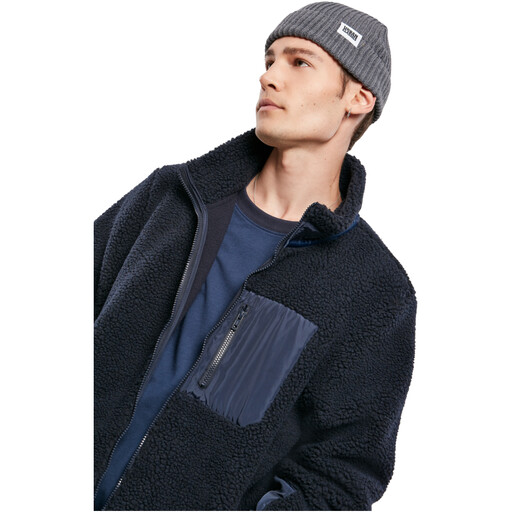
Why it's a great fit: This model combines the current streetwear aesthetic of sherpa material with functionality for urban life. It is ideal for cool, dry days in the city where style counts as much as comfort.
The jacket doesn't promise extreme weather protection but focuses on its strengths: comfort and style. It avoids the "style over substance" trap by appropriately combining both for its intended use case—everyday city life.
Material mix of soft polyester sherpa and durable nylon elements; practical chest and side pockets with zips.
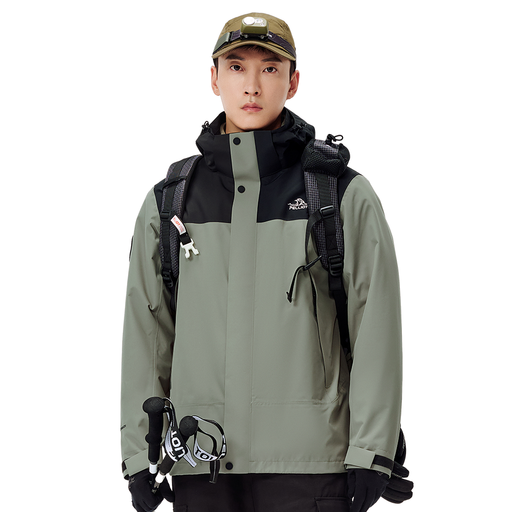
Why it's a great fit: As a 3-in-1 system, this jacket offers maximum flexibility. The outer shell protects against wind and rain, while the removable fleece liner provides warmth. Ideal for hikes and travel where you need to be prepared for changeable weather.
This model addresses the "waterproof myth" by using a microporous, waterproof, and breathable membrane, according to the manufacturer. The 3-in-1 design also offers adaptable warmth, avoiding the problem of unsuitable insulation.
Versatile 3-in-1 system for different seasons; scratch-resistant and abrasion-resistant outer material according to the manufacturer.
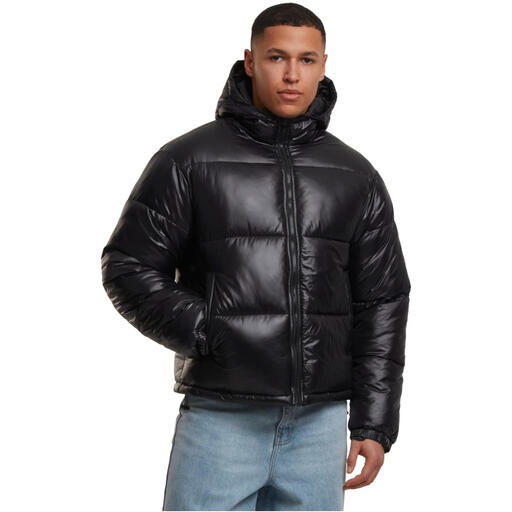
Why it's a great fit: This jacket is designed for cold protection. The thick quilted filling, high collar, and padded hood offer reliable protection on cold winter days. It's the pragmatic choice for the daily commute or running errands in sub-zero temperatures.
The model avoids the "deceptive warmth" trap by clearly relying on a thick, quilted filling for thermal insulation. The focus is unequivocally on its function as a winter jacket, not on vague all-weather promises.
High thermal performance from thick padding; padded hood and high collar for effective wind protection; material made of 100% recycled polyamide.
We've compiled a complete, real-time updated list of products that fully meet these strict selection criteria and UK regulations.
A water-repellent jacket is treated with a coating (often DWR, Durable Water Repellency) that causes water to bead up and roll off. This protection diminishes with prolonged rain or mechanical stress (e.g., from backpack straps). A waterproof jacket also has a permanently integrated membrane and sealed seams that prevent water from penetrating, even under pressure.
Always follow the manufacturer's care label. As a general rule: close all zips and Velcro fasteners before washing. Use a special detergent for technical apparel and avoid fabric softener, as it can clog the membrane's pores and impair breathability. The water-repellent coating can be renewed with an appropriate spray after a few washes.
Flexible solutions are ideal for the transitional seasons. A lightweight quilted jacket or a fleece jacket offers moderate warmth and is often wind-resistant. Softshell jackets are also a great choice as they combine breathability, wind protection, and freedom of movement without being too insulating. They are perfect for days with changeable weather.