
Lieferung heute & morgen

Qualitätsgarantie

Willkommens-Angebote freischalten: KOSTENLOSE Lieferung | Bis zu 80 % RABATT | Kostenlose 30-Tage-JoyPlus-Testphase
App herunterladen
A wipe-clean placemat seems like a simple purchase. But anyone who has ever had to scrub stubborn stains from a supposedly low-maintenance material, or discovered that crumbs and liquids simply pass through the weave onto the tabletop, knows the pitfalls. Many products don't live up to their descriptions. This guide will help you identify the crucial features and make a choice that is both practical and stylish.
Before you make a decision, you should be aware of the most common problems that often only become apparent in daily use after the purchase.
To avoid these pitfalls, you should examine three core parameters: the material, the construction, and the care properties.
The choice of material is the most important decision. It determines durability, protective function, and cleaning effort.
The shape influences not only the look but also the functionality.
Instead of making generic recommendations, we have matched products to specific user profiles.
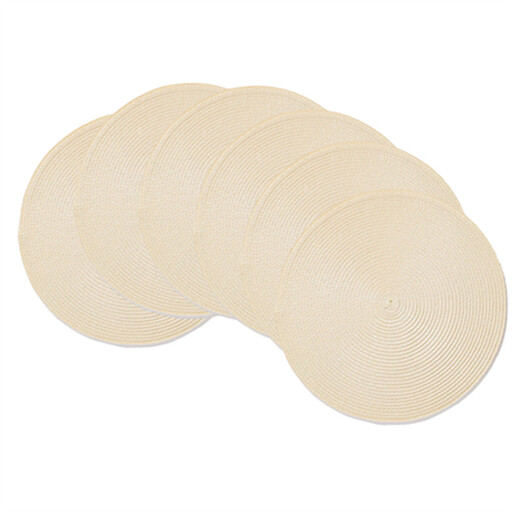
Why This Fits Their Persona: This polypropylene (PP) set is designed for hectic family life. The material is robust, resilient, and the round shape with no sharp corners is safe. The set of 6 placemats covers the needs of an average family.
The dense PP weave has a non-porous surface. Unlike natural fibres, liquids do not penetrate, making it truly wipe-clean and stain-resistant, thus avoiding the "Wipe-Clean" trap.
Extremely low-maintenance (wipe-clean and hand-washable). The material is durable and resistant to daily wear and tear.
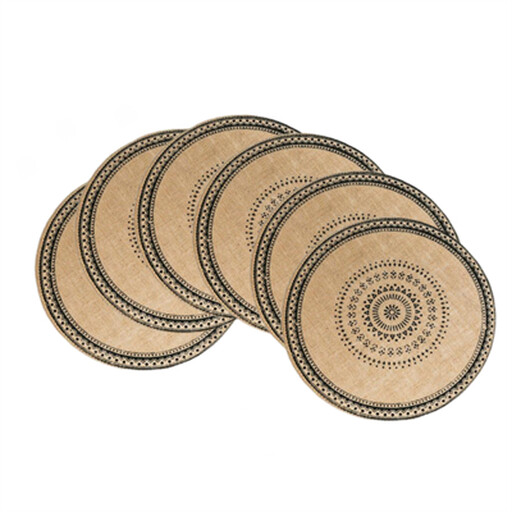
Why This Fits Their Persona: For lovers of rustic placemats and natural aesthetics. The hand-woven jute placemat material creates a warm, inviting atmosphere and is a key element for successful boho table decor.
Although it is a woven placemat, it is described as water and stain-resistant. The dense weave minimises crumbs falling through and offers better protection than loosely woven alternatives.
Strong visual impact thanks to the natural jute material and geometric pattern. Ideal for accentuating a specific interior design style.
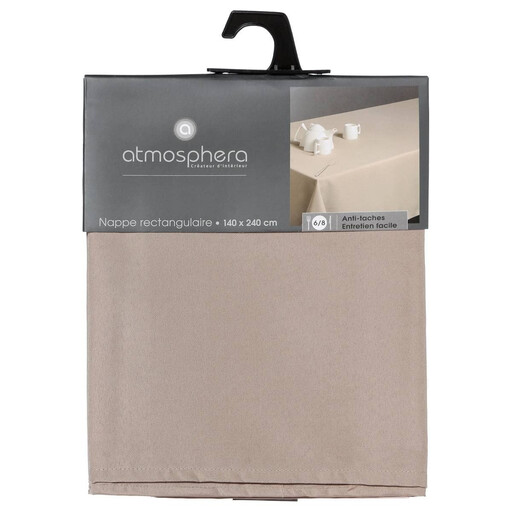
Why This Fits Their Persona: A tablecloth offers maximum protection and creative freedom. It serves as a foundation for any table setting, from everyday to festive. The colour of beige placemats is timeless and versatile.
This washable tablecloth made of polyester is explicitly labelled as stain-resistant. It completely solves the problem of fallen crumbs and provides a continuous, low-maintenance protective layer for the entire table.
Full-surface protection and easy machine washing. The durable polyester material is designed for frequent use.
We have compiled a complete, up-to-date list of products that fully meet these strict selection criteria and UK regulations.
1. How do you properly clean woven placemats made of natural fibres? For most woven sets made of jute or paper, spot cleaning is recommended. Remove loose crumbs by shaking them out or using a soft brush. Stains should be blotted immediately with a slightly damp cloth, without rubbing. Avoid fully submerging the sets in water unless the manufacturer explicitly states they are hand-washable. Afterwards, let them air dry completely.
2. Are wipe-clean plastic placemats truly heat-resistant? Most plastic placemats offer protection from the heat of plates and cups (typically up to approx. 70-80°C). However, they are generally not designed to handle a pot or casserole dish straight from the oven. For very hot items, it is advisable to use an additional trivet made of cork, wood, or silicone to prevent damage to the placemat and the tabletop.
3. Can you wash placemats made of jute or paper? Usually not. Water can cause these materials to warp, swell, or lose their structure. Most manufacturers recommend cleaning them dry or with a damp spot-clean only. An exception is specially treated or coated products. Therefore, always check the manufacturer's care label.