Listeners comparing tonal balance
You play the same orchestral passages repeatedly and want to hear the differences between recordings without mistaking the headphones’ sound signature for a difference in the recording.


For comparing tonal balance and instrumental timbres, a well-fitting wired in-ear with a clearly explained sound signature is a sensible starting point. However, a manufacturer’s description such as ‘flat’ doesn’t guarantee neutral sound in your ears. If changing household noise is more distracting, a wireless in-ear with ANC may be more practical. In that case, keep the sound settings consistent while comparing recordings, and check the fit rather than simply turning up quiet passages.
You play the same orchestral passages repeatedly and want to hear the differences between recordings without mistaking the headphones’ sound signature for a difference in the recording.
Conversations and other sounds can mask quiet passages. A comfortable, secure fit matters; simply turning up the volume isn’t a good long-term solution.
If you listen to several recordings in a row, a comfortable fit over time and a suitable connection are important. With wireless models, you’ll also need to plan for charging.
First decide whether consistent sound for comparing recordings or blocking out changing household noise matters more to you. Then check the fit and connection, or, for wireless headphones, how often they need charging.
| What to consider | What to check when buying | Who is this important to? |
|---|---|---|
| Tonal balance | Check the sound signature of the specific model and any available measurements; compare the same passages at a consistent volume and with unchanged settings. | If I want to assess the balance and timbre of instruments across recordings, I want the headphones to influence the comparison as little as possible. Around 34% of consumers put tonal balance first. |
| Blocking out household noise | Check the ear tips and fit; if the headphones have ANC, try it with the settings you actually plan to use. | If conversations or other sounds mask quiet passages, I want to hear them more clearly without turning up the volume all the time. Around 33% of consumers prioritise noise isolation. |
| Fit for longer sessions | Look at the sizes and materials of the ear tips, and assess the fit over your usual listening time. | If I listen to several recordings in a row, I need a fit that stays comfortable and doesn’t change between tracks. Around 20% of consumers prioritise long-term comfort. |
| Connection and operation | Check the audio connection on your source device; with wireless headphones, consider how long each earbud lasts on a charge. | If I want to listen without unexpected adapters or charging breaks, my source device and headphones need to work well together in everyday use. Around 13% of consumers check the connection and operation first. |
The level of passive isolation you can achieve depends on factors including your ear shape, the ear tip and the fit. A manufacturer’s claim may not reflect the results you get in your own ears.
Try the ear tips supplied with the specific model and assess the fit and isolation for yourself, rather than comparing isolation figures directly without considering the conditions they were measured under.
The World Health Organization notes that volume and listening time both contribute to the risk.
Check the fit and available isolation first. Keep the volume at a moderate level and avoid masking distracting sounds by turning it up for extended periods.
Terms such as ‘flat’, ‘balanced’ or ‘true to the original’ reflect the manufacturer’s claims and don’t automatically show how a model will sound to you.
Compare short passages with the fit and settings unchanged. Consider measurements in the context of the method used to obtain them.
Wired headphones need a compatible audio connection; wireless headphones need charging. Depending on your source device or model, you may also need an adapter or suitable replacement ear tips.
Check your source device and what’s included before buying. For wireless headphones, the listening time you get from the earbuds on a single charge matters, not just a figure quoted together with the charging case.
The wired ER2SE and bassier ER2XR are worth considering if you’re looking at passive isolation and wired listening.
The wired SE215 is an option if a choice of ear tips and a detachable cable are important to you.
According to Sennheiser, the wired IE 200 comes with foam and silicone ear tips, each with two possible fitting positions.
The wireless WF-1000XM6 is an ANC option for situations where distracting background noise is an issue.
According to JBL, the wireless Tour PRO 3 combines ANC with a charging case that can also act as an audio transmitter.
The Joybuy products below are wireless in-ear headphones with ANC, designed for listening situations where household noise is a distraction. Keep the sound settings and noise cancellation as consistent as possible when comparing recordings.
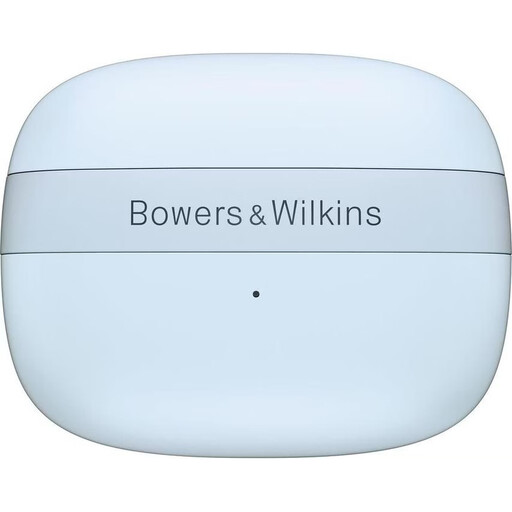 No image available
These wireless in-ear headphones with ANC may suit listening situations where household noise is a distraction; the fit remains important for effective isolation.
12 mm bio-cellulose drivers; 24-bit audio with aptX Adaptive; Bluetooth 5.4; up to 8 hours of battery life according to the product name.
For comparing recordings, keep True Surround and the ANC setting consistent between listens. Wireless use requires a charged battery.
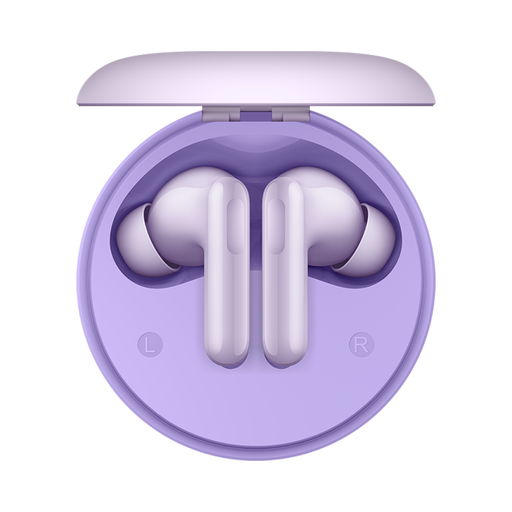 No image available
A wireless ANC option if you want to reduce distracting noise while listening at home; check that the ear tips fit comfortably and securely.
12.4 mm drivers; 49 dB active noise cancellation; 42 hours of battery life according to the product name.
As wireless headphones, these earbuds need a charged battery.
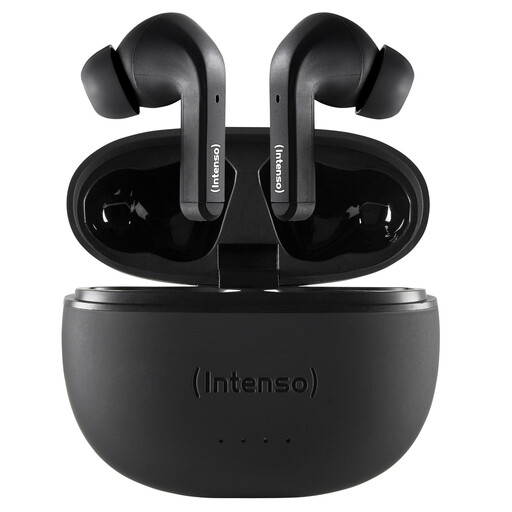 No image available
This wireless model lists ANC as a feature, making it worth considering for listening situations with distracting background noise.
When comparing recordings repeatedly, don’t switch between ANC and transparency mode between listens.
Wireless use requires a charged battery.
 No image available
The listed 9-band equaliser may be useful if you want to adjust the sound profile for comparisons; keep its setting consistent between recordings.
ANC; adjustable 9-band equaliser; 360 Audio according to the product information.
When comparing recordings, don’t change 360 Audio or the equaliser setting between listens. Wireless use requires a charged battery.
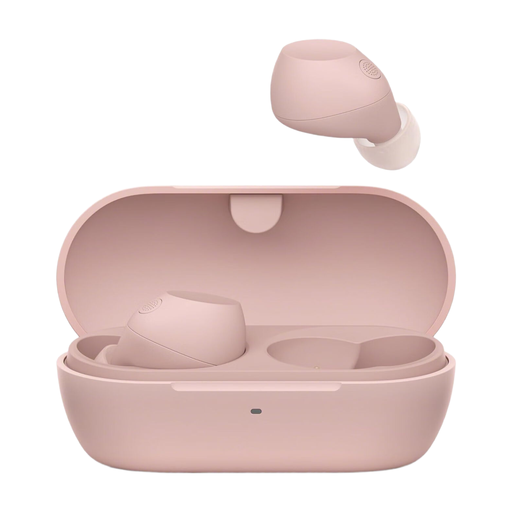 No image available
This wireless model lists active noise cancellation and an equaliser; keep the settings unchanged for a fair comparison of recordings.
5-band equaliser according to the product information.
Keep the equaliser and noise cancellation settings consistent between listens. Wireless use requires a charged battery.
Use the same short passages at a similar volume, with the same ear tips and sound settings. A change in fit can affect the balance you hear; you should also consider frequency response measurements in the context of the method used to obtain them.
No. Check the fit and isolation first, and keep the volume moderate. The World Health Organization notes that volume and listening time both contribute to the risk.
Carefully check whether a different size or type of ear tip gives you a better fit. In the SE215 guide, Shure notes that a lack of bass may indicate a poor seal; don’t push the ear tip beyond the opening of your ear canal.
Check in advance whether you’ll need an adapter for your source device or suitable replacement ear tips later on. If goods are faulty, you have statutory rights against the seller; an additional manufacturer’s guarantee cannot limit these rights. Online purchases generally come with a right to cancel, although the statutory exception for certain unsealed hygiene products depends on the product and the relevant conditions.
Take old electrical equipment to an authorised collection point, a manufacturer or a retailer, where the retailer is subject to statutory take-back obligations. The obligations that apply to a retailer depend on the statutory requirements.