Solo passage analysts
You listen to short sections repeatedly to follow note sequences and phrasing. Look for a sound profile that suits you, a comfortable fit and a loop or tempo feature on your playback device.


If you want to listen to guitar notes repeatedly on the train, wired, passively isolating in-ear headphones are an obvious choice, provided the connector and fit are right. They save you having to plan around charging, but depending on the fit, they may make announcements harder to hear. Wireless ANC earbuds may suit you better if you value freedom of movement and a switchable ambient mode. To slow down and replay passages, you’ll also need a suitable feature on your playback device or in an app.
You listen to short sections repeatedly to follow note sequences and phrasing. Look for a sound profile that suits you, a comfortable fit and a loop or tempo feature on your playback device.
You want to focus on what you’re listening to without turning up the volume unnecessarily to overcome train noise, while still being able to hear your surroundings when needed.
You want to listen to longer passages in comfort and check before buying whether a cable and connector, or Bluetooth and a battery, will suit your playback device and how you use it.
A good choice if: you want to replay longer passages with a compatible connection, without having to think about charging.
The trade-off: you’ll need to consider the cable and, where necessary, an adapter; a snug fit may make announcements harder to hear.
A good choice if: you want to move freely while travelling and switch between focused listening and hearing your surroundings.
The trade-off: battery life, device settings and fit are additional factors to consider; ANC does not prove that guitar notes will sound more precise.
| What you’re looking for | What to check before buying | Who does it matter most to? |
|---|---|---|
| Following guitar notes and passages | Check the sound profile of the specific model; try the loop and tempo features on your playback device. | If I want to compare a short guitar phrase several times, I need a sound profile that suits me and a suitable replay feature. This applies to around 28% of consumers who put sound and passage analysis first. |
| Blocking out train noise | Check the fit and seal; with wireless models, distinguish between ANC and ambient mode. | If train noise drowns out quiet sounds, I want to block it out rather than keep turning up the volume. Around 28% of consumers put noise reduction first. |
| Freedom of movement and awareness of your surroundings | Check the controls for pausing and switching modes; consider the stated battery life of the specific model. | If I want to move around on the train or switch listening modes to hear announcements, wireless controls matter to me. Around 17% of consumers put freedom of movement and awareness of their surroundings first. |
| Comfort during longer listening sessions | Compare the included sizes and design; check the fit without applying unnecessary pressure. | For longer listening sessions, I need ear tips that stay in place without pressing; noise reduction figures alone don’t tell me whether the fit will be comfortable. Around 16% of consumers put comfort first. |
| Connection and power on the go | Check that the connector matches your device; with True Wireless models, plan for Bluetooth and charging. | I want to know in advance whether my device supports the connector, or whether I’ll need to plan for charging with wireless earbuds. Around 11% of consumers prioritise connection and power. |
Headphones play the sound; tempo and loop features are provided by the playback app or device. For example, Anytune lists these features for compatible Apple devices.
Before buying, try the passage you want to practise using the app and device you plan to take with you.
According to the World Health Organization, hearing risks depend on both volume and duration. Well-fitting, noise-reducing headphones can help reduce the need to turn the volume up in noisy surroundings.
Make sure they fit well, keep the volume at a sensible level and pause when needed so you can hear announcements.
The wired models described here have different connection requirements, while wireless models need a compatible connection and charging plan.
Check that the connector matches your device. For wireless models, check the controls and stated battery life against the length of your journey.
These examples show the different approaches taken by selected product ranges; they are not a general assessment of the brands.
The wired SE215 is aimed at buyers considering a choice of ear tips and a detachable cable.
The IE 200 is a wired option with adjustable ear hooks.
The ER2SE is aimed at buyers considering a flat sound profile and passive noise isolation; according to the manufacturer, the ER2XR is the more bass-focused alternative.
The WF-1000XM6 is a wireless ANC option for listeners who want to switch between noise reduction and hearing their surroundings.
The QuietComfort Ultra Earbuds (2nd Gen) are a wireless ANC option supplied with several fit accessories.
This selection includes wired and wireless in-ear headphones for listening on the go. Check the connection, fit and charging requirements against your playback device and listening habits.
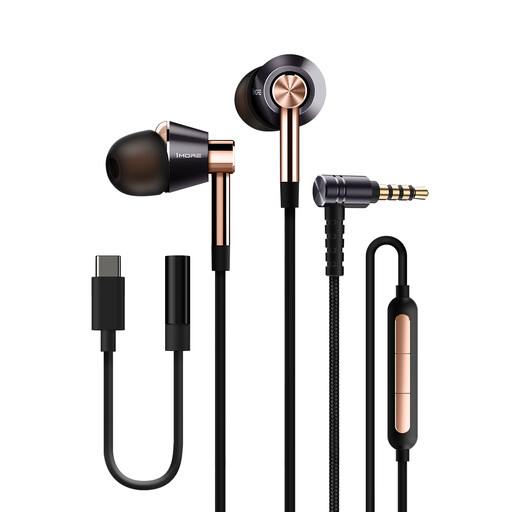 No image available
For wired listening; check that the connection is compatible with your playback device.
Triple Driver; wired; gold.
 No image available
For wired listening without having to plan around battery charging; only compatible with USB-C devices.
USB-C connection; wired.
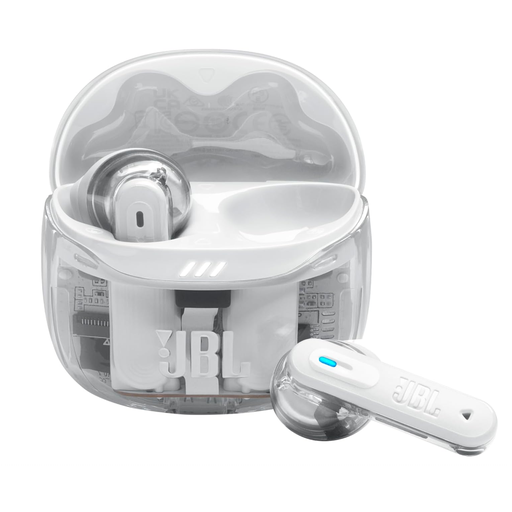 No image available
For wireless listening on the go; plan for a Bluetooth connection and for charging the earbuds or their case.
True Wireless; Ghost White.
 No image available
For wireless in-ear listening with Active Noise Cancelling; factor in the Bluetooth connection and charging requirements.
True Wireless; Active Noise Cancelling; Black.
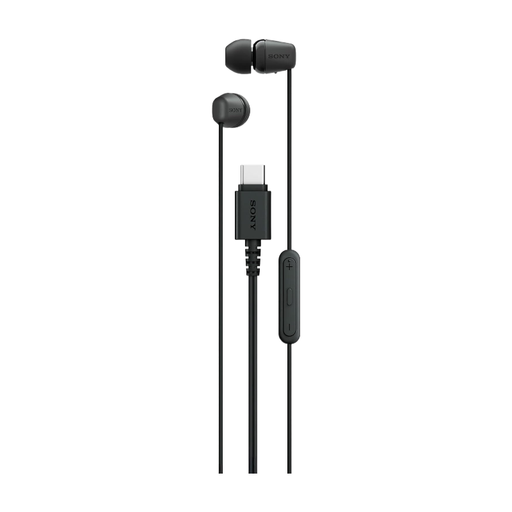 No image available
For wired listening without charging or Bluetooth pairing; only compatible with USB-C devices.
USB-C connection; wired; Black.
No. Loop and tempo features come from a playback app or device, not the headphones. Anytune lists these features for compatible Apple devices; check in advance whether your device and music source are supported.
Make sure the fit is right and keep the volume at a sensible level. The World Health Organization recommends well-fitting or noise-reducing headphones to reduce the need to turn up the volume in noisy surroundings; pause when needed so you can hear announcements.
Deutsche Bahn says that playing music loudly, including through headphones, is not welcome in the ICE quiet zone. Follow the railway’s guidance and keep the volume low.
According to the German Environment Agency, electrical waste should not go in household rubbish. Take it to an appropriate local authority or retailer take-back point instead. Where possible, remove batteries and dispose of them separately.