
Lieferung heute & morgen

Qualitätsgarantie

Willkommens-Angebote freischalten: KOSTENLOSE Lieferung | Bis zu 80 % RABATT | Kostenlose 30-Tage-JoyPlus-Testphase
App herunterladen
Wireless Bluetooth headphones should work effortlessly when you are out and about: while commuting, in the office, exercising, travelling or making calls. In practice, disappointing purchases are often not caused by missing features, but by unclear product information. For example, a long battery life may refer only to the combined total for the earbuds and charging case. Terms such as “noise cancellation”, “waterproof” or “Bluetooth 5.4” do not automatically describe the same level of performance on every model.
That is why it is worth checking the design, specific battery runtimes, protection rating and compatibility before buying. The following selection categorises wireless Bluetooth headphones according to typical user profiles and highlights the technical specifications that matter when making an informed decision.
“Up to 36 hours” or “up to 55 hours” usually refers to the total playback time with a fully charged charging case. The runtime per charge may be significantly lower. For everyday use, both figures are therefore important:
Volume, codec, active noise cancellation and phone calls can also affect the actual runtime.
ANC stands for Active Noise Cancelling and uses microphones to generate an opposing signal against certain background noises. ENC is generally used for microphone processing during calls and can reduce the transmission of background noise. The two are not the same.
With open-ear headphones, the ear canal remains largely unobstructed. This can make it easier to stay aware of your surroundings in traffic or in the office, but by design they offer a different level of noise isolation from closed in-ear headphones. Claims such as “up to -50 dB” should be treated as manufacturer specifications and cannot be compared between different products without further information about the testing conditions.
A protection rating such as IPX4, IPX5 or IP55 describes defined testing conditions. It does not automatically mean that headphones are suitable for swimming or prolonged immersion. Depending on the protection rating, sweat, rain and water jets may be covered to different extents. Charging cases are often less protected against moisture than the earbuds themselves.
For extended use, weight, shape, ear tips and a secure fit are more important than the driver size alone. A larger dynamic driver is not, by itself, proof of a particular level of sound quality.
Bluetooth 5.3 or Bluetooth 5.4 can support modern power-management and connection features. However, actual connection stability also depends on the smartphone, supported profiles, obstacles and surroundings. A stated range of 10 metres usually refers to conditions without major obstacles.
The A2DP and AVRCP profiles are relevant for music and videos, while HFP is used for calls. Android and iPhone users should also check whether fast pairing, app features or specific voice assistants are supported by their operating system.
Anyone who frequently makes calls should pay attention to the number of microphones and how they are processed. A product described as “headphones with microphone” is not automatically optimised for noisy railway stations or windy outdoor environments. For gaming, a specified low-latency mode may also be important. Ideally, a low-latency claim should refer to a specific figure rather than being limited to a general marketing statement.
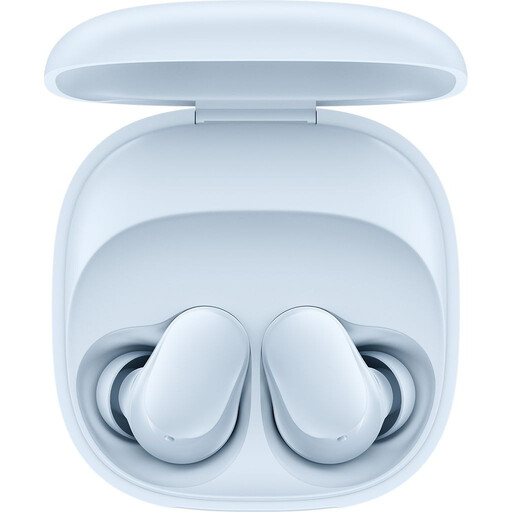
Why this product suits this profile: These TWS earbuds offer Bluetooth 5.4, USB-C charging, touch controls and a stated playback time of up to 7.5 hours per charge. According to the product specifications, the charging case extends this to up to 36 hours.
The individual and total playback times are stated separately. The specifications also list IPX4, a 10-mm driver and compatibility with Android and iOS.
Bluetooth 5.4, up to 7.5 hours per charge and fast charging providing up to 3 hours of playback after 10 minutes of charging, according to the product description.
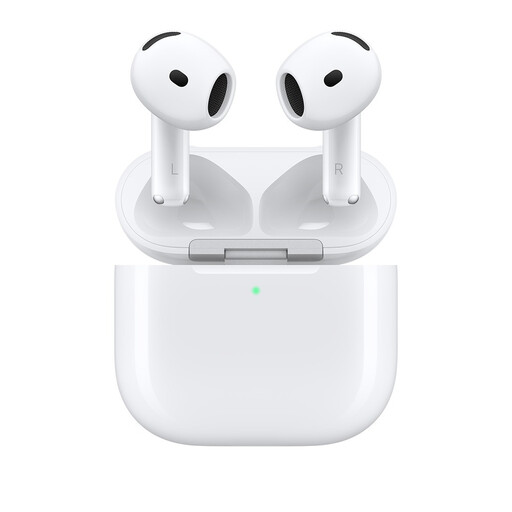
Why this product suits this profile: For iPhone users, the open-ear design, wireless charging case, stated active noise cancellation and integration with Apple features are all relevant selection criteria.
The product description states the runtime with noise cancellation enabled separately: up to 4 hours per charge and up to 20 hours with the case.
Open-ear design, USB-C and Qi-compatible charging case, plus specified microphone features for calls.
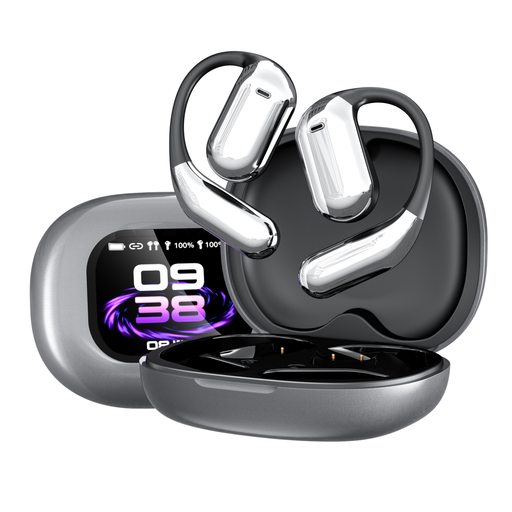
Why this product suits this profile: This model is designed for users who want translation functionality, a touch display and a specified ANC mode alongside music and calls.
The specifications distinguish between 8 hours of playback per charge and up to 40 hours together with the charging case. Translation requires use of the designated function or app.
Bluetooth 5.4, IPX5 water resistance according to the product specifications, 14.2-mm drivers and an integrated touch display.
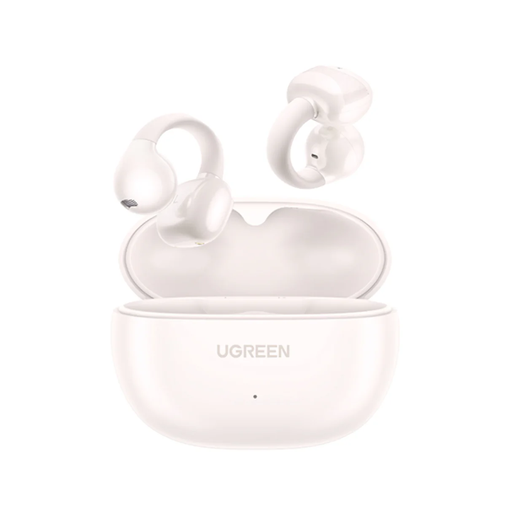
Why this product suits this profile: The open design is suitable for situations where you still want to remain aware of surrounding sounds, such as when out walking or using public transport.
The product data lists Bluetooth 5.4, AAC/SBC codecs, USB-C and a range of up to 10 metres without obstacles.
Around 7.5 hours of music playback per charge and around 30 hours with the charging case, according to the product specifications.
We have put together a complete, regularly updated list of products that fully meet these strict selection criteria and the safety regulations applicable in the EU.
First, make sure the charging case and earbuds have sufficient charge. The earbuds are then usually removed from the open case and selected in the smartphone’s Bluetooth settings. Previously paired models often connect automatically. If no device appears, reset the earbuds and activate pairing mode again according to the manufacturer’s instructions.
Battery life depends on the battery itself, charging cycles, volume and features such as ANC. Many models offer single-digit hours of use per charge, while the charging case extends the total playback time. For a realistic assessment, buyers should consider the runtime per charge and the case capacity separately. Lithium batteries are consumable components whose capacity may decrease over time.
That depends on the design and the situation in which they are used. ANC can reduce environmental noise, while open-ear headphones let more outside sound through. When cycling, walking alongside roads or spending time in public spaces, road safety and local regulations must be taken into account. Volume should be set at a level that still allows you to hear important warning signals.