
Lieferung heute & morgen

Qualitätsgarantie

Willkommens-Angebote freischalten: KOSTENLOSE Lieferung | Bis zu 80 % RABATT | Kostenlose 30-Tage-JoyPlus-Testphase
App herunterladen
For many people in Germany, wireless Bluetooth headphones are part of everyday life: on the train, while studying, at work, out running or at the gym. The range includes everything from classic Bluetooth earbuds and open-ear headphones to bone-conduction headphones for swimming and outdoor activities.
But product names and marketing claims don’t always make it easy to compare your options. These three common misconceptions are especially likely to lead to disappointment:
Wireless in-ear headphones sit in the ear canal and, depending on their design, can partially block out external noise. They’re well suited to commuters, students and phone calls. Interchangeable ear tips can improve the fit, but they need to suit the shape of your ears.
Open-ear headphones sit outside the ear canal, making it easier to hear what’s going on around you. This can be useful when running or cycling, though they’re no substitute for staying alert in heavy traffic.
Bone-conduction headphones transmit sound through contact points on your head without covering your ears. This design may appeal to you if you train for longer periods. However, the sound and bass will feel different from what you get with traditional earbuds.
The IP rating describes protection against solid objects and water. The second digit is particularly relevant for outdoor and sports headphones:
The rating doesn’t automatically apply to charging ports or cases, or to use in chlorinated or salt water. After swimming, rinse your headphones with fresh water and dry them completely. Only charge them once the contacts and casing are dry.
When looking at headphones with long battery life, check whether the stated figure is for the earbuds alone or includes the charging case. Volume, ANC and phone calls can also affect actual battery life.
A headset with a microphone is a useful choice for work and commuting. However, terms such as “dual microphone” or “ENC” don’t automatically tell you how well the headphones will pick up your voice in strong winds or at a busy station.
Bluetooth 5.4 or Bluetooth 6.0 can support modern connectivity and power-management features. What matters most is whether your smartphone, tablet or laptop is compatible. If the headphones offer AI translation, check whether you’ll need a separate translation app or an internet connection.
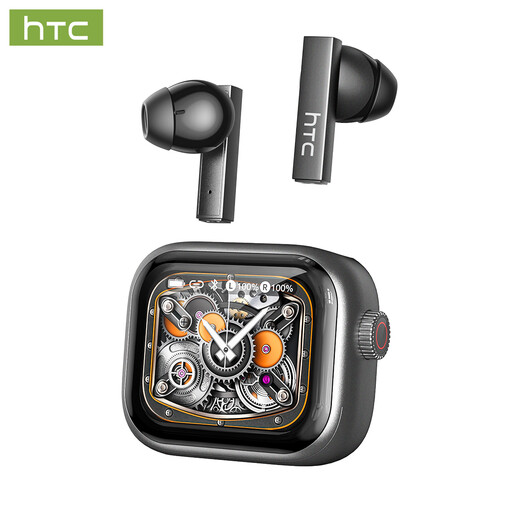
Why this product suits this profile: These Bluetooth earbuds feature touch controls, a built-in microphone and a stated Bluetooth range of 10 metres. Translation features are accessed through compatible apps.
The product details state a playback time of around 3.5 hours per charge, separately from the total battery life of up to 24 hours with the charging case.
13 mm speakers, LED display, touch controls and a microphone. Use the water resistance in accordance with the instructions.
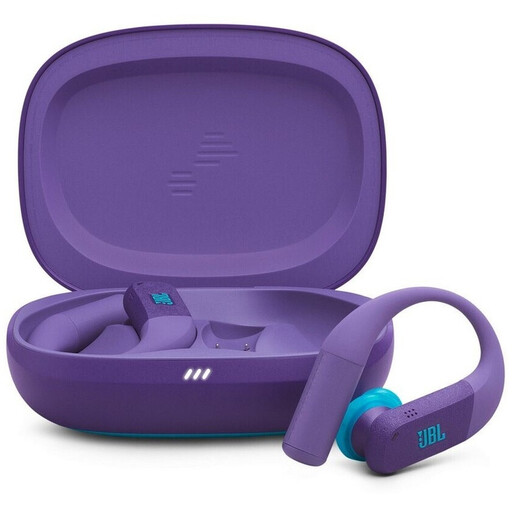
Why this product suits this profile: Its Powerhook design, IP68 rating, adaptive noise cancelling and multipoint connectivity are suited to intense workouts and use with multiple devices.
The product details list battery life for the earbuds separately from battery life with the case, and give separate figures for ANC and ambient mode.
Up to 48 hours of total battery life, six microphones, IP68 rating, plus Ambient Aware and TalkThru, according to the product details.
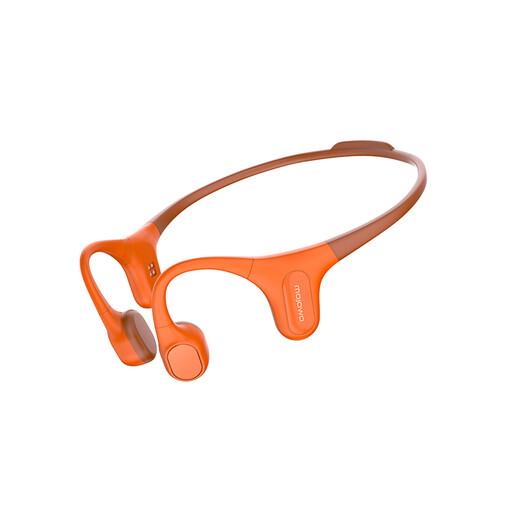
Why this product suits this profile: This model combines open-ear bone-conduction technology, Bluetooth and 32 GB of built-in storage. This means you can use it while swimming without needing a continuous Bluetooth connection.
The built-in storage gets around the usual limitation of Bluetooth signals, which work only over a limited range underwater.
IP68 rating, 32 GB of storage, up to eight hours of stated playback time and fast charging.
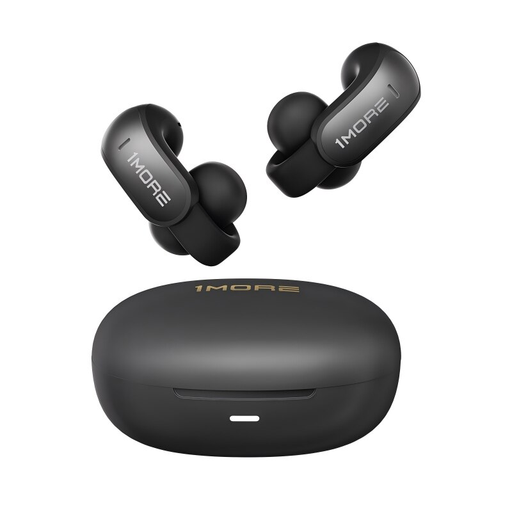
Why this product suits this profile: The clip-on open-ear design leaves your ears uncovered and is made for movement. Bluetooth 5.4 and dual-microphone ENC round out the features for sports and phone calls.
Treat the IPX5 rating as protection against sweat and splashes, not as approval for swimming or submersion.
Open-ear clip design, Bluetooth 5.4, stated 360-degree sound and dual-microphone ENC, according to the product name.
We’ve put together a complete, regularly updated list of products that meet these strict selection criteria and fully comply with the safety regulations in force in the EU.
First, charge the case and headphones. Then switch on Bluetooth on your smartphone, open the charging case and select the model from the device list. If you have trouble connecting, it usually helps to delete the existing pairing and start the process again, following the instructions.
Battery life depends on the battery, charging cycles, volume, temperature and how well you look after them. The stated figure refers to playback under specific conditions. As battery capacity declines, the charging case may still work as normal, while each earbud lasts for a shorter time.
Active noise cancelling can reduce background noise, making it useful on trains, in the office or on planes. When walking, cycling or running, however, use a mode that lets you hear your surroundings or turn the volume down. Electronic noise cancelling is no substitute for staying alert in traffic.