
Lieferung heute & morgen

Qualitätsgarantie

Willkommens-Angebote freischalten: KOSTENLOSE Lieferung | Bis zu 80 % RABATT | Kostenlose 30-Tage-JoyPlus-Testphase
App herunterladen
As a Joybuy Product Recommendation Officer, I see the demand for wireless chargers growing every day. The convenience of simply putting down a smartphone to let it charge is undeniable. However, the market is flooded with products whose marketing promises often fall short in practice. Many users invest in a device only to find after a few months that it charges slowly, overheats, or doesn't hold their smartphone securely.
This guide is designed to help you avoid these pitfalls. We will focus on the objective criteria that define a reliable wireless charger and show you how to make the right choice for your specific needs.
Before we dive into the technical details, it's important to know the most common shortcomings that can lead to a bad purchase.
To make an informed decision, you should understand three core parameters that determine the performance and compatibility of a wireless charger.
The wattage listed on the packaging (e.g., 15W fast charger) refers to the charger's maximum output. However, to achieve this power, a sufficiently strong power adapter is required, which is often sold separately. For 15W charging, a USB-C power adapter with at least 20W and Power Delivery (PD) is typically needed. Without the right adapter, even the most capable charger will only charge slowly.
Think carefully about where and how you want to use the charger:
Here are some recommendations tailored to specific user profiles and the quality criteria mentioned above.
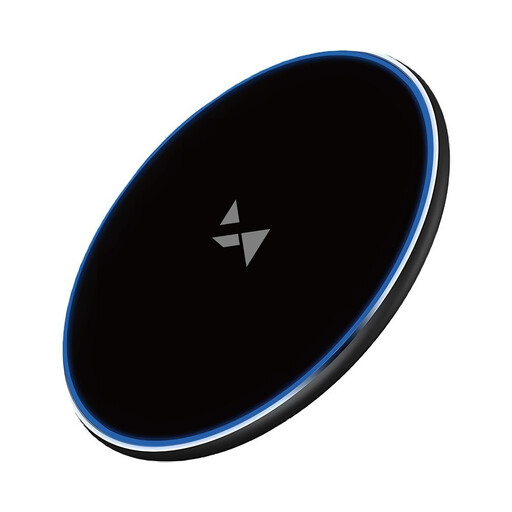
Why it's a good fit: Ideal for anyone looking for a straightforward and cost-effective solution for overnight charging. The flat design is unobtrusive, and its universal Qi compatibility makes it a flexible choice for various smartphones and headphones.
This charger focuses on a single task: charging one device. It avoids the complexity and potential points of failure of cheap multi-device stations and offers solid charging performance of up to 15W (with a suitable power adapter).
Supports the universal Qi standard. The slim and lightweight design (6.5 mm thick) also makes it suitable for travel.
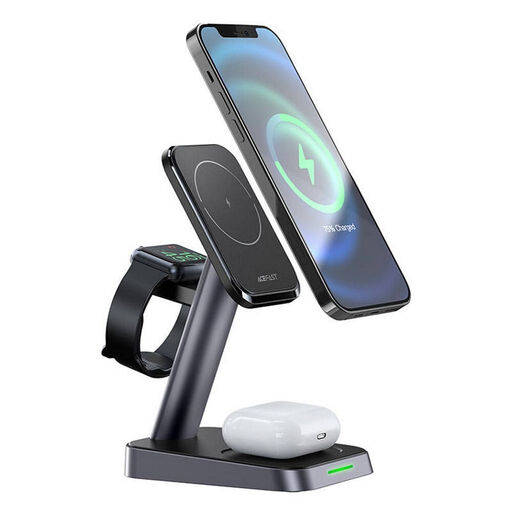
Why it's a good fit: Perfect for Apple users looking for a clutter-free solution for their desk or nightstand. It charges an iPhone, Apple Watch, and AirPods simultaneously, eliminating the usual cable mess.
This model solves the problem of impractical design by providing a dedicated, magnetic mount for each device. The stand function for the iPhone allows it to be used while charging, while the magnetic alignment ensures a stable and efficient charge.
Consolidates three chargers into one. Delivers up to 15W of charging power for the iPhone and creates an organized charging environment.
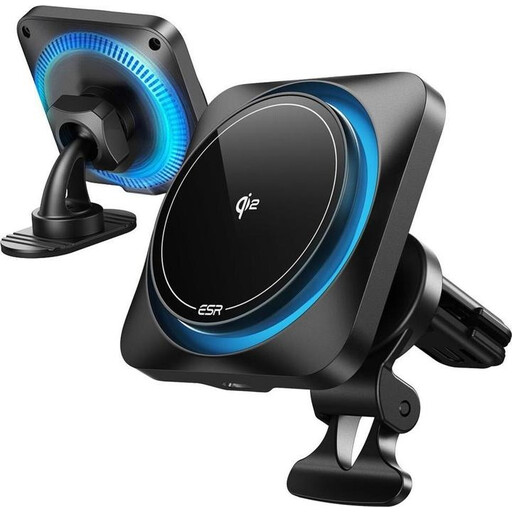
Why it's a good fit: Designed for in-car use. It combines a strong magnetic mount with fast charging, making it a reliable solution for navigation and simultaneous charging on long drives.
This model actively combats the overheating problem. The integrated CryoBoost cooling (a fan) ensures that the charging power remains consistently high and isn't throttled, even during intensive use (e.g., GPS and music streaming).
Active cooling technology for consistent 15W charging. Strong HaloLock magnets for a secure hold even on bumpy roads. Qi2 standard compliant.
We have compiled a complete, up-to-date list of products that fully meet these strict selection criteria and safety regulations.
Modern smartphones and certified chargers have protection mechanisms that prevent overcharging and excessive heat. The critical factor for battery health is heat. A high-quality inductive charger with good heat management is therefore important. With normal use of a certified charger, no significant negative effects on battery lifespan are expected compared to wired charging.
The speed depends on three factors: the charger's output power (in watts), the power of the adapter used, and the device being charged. A wireless iPhone charger with MagSafe or Qi2 certification can reach up to 15 watts. To use this speed, you need a power adapter that also supports this output, typically a 20W USB-PD adapter.
Yes, most wireless chargers work through thin, non-metallic cases (usually up to 5 mm thick). However, for magnetic chargers like MagSafe, a MagSafe-compatible case is required to ensure a secure attachment and optimal charging efficiency. Thick cases, those with metal parts, or integrated credit card slots can interfere with or prevent charging.